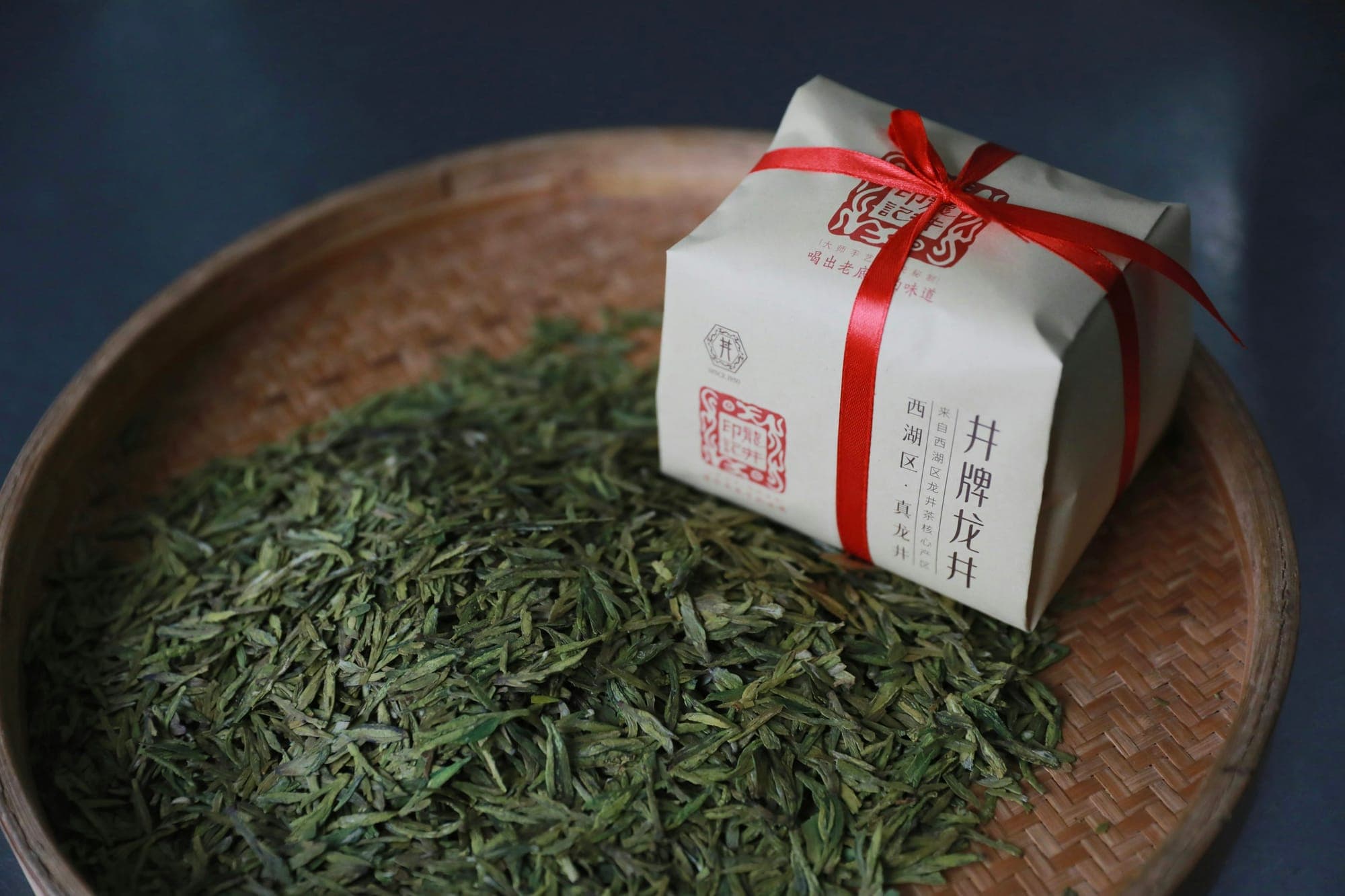
Hangzhou · A tea pause
Longjing tea in the Hangzhou hills
Walk a lane in Longwu or Meijiawu and sit for West Lake Longjing. Watching a hand roast depends on the maker and what is working that day; access is confirmed before the proposal.
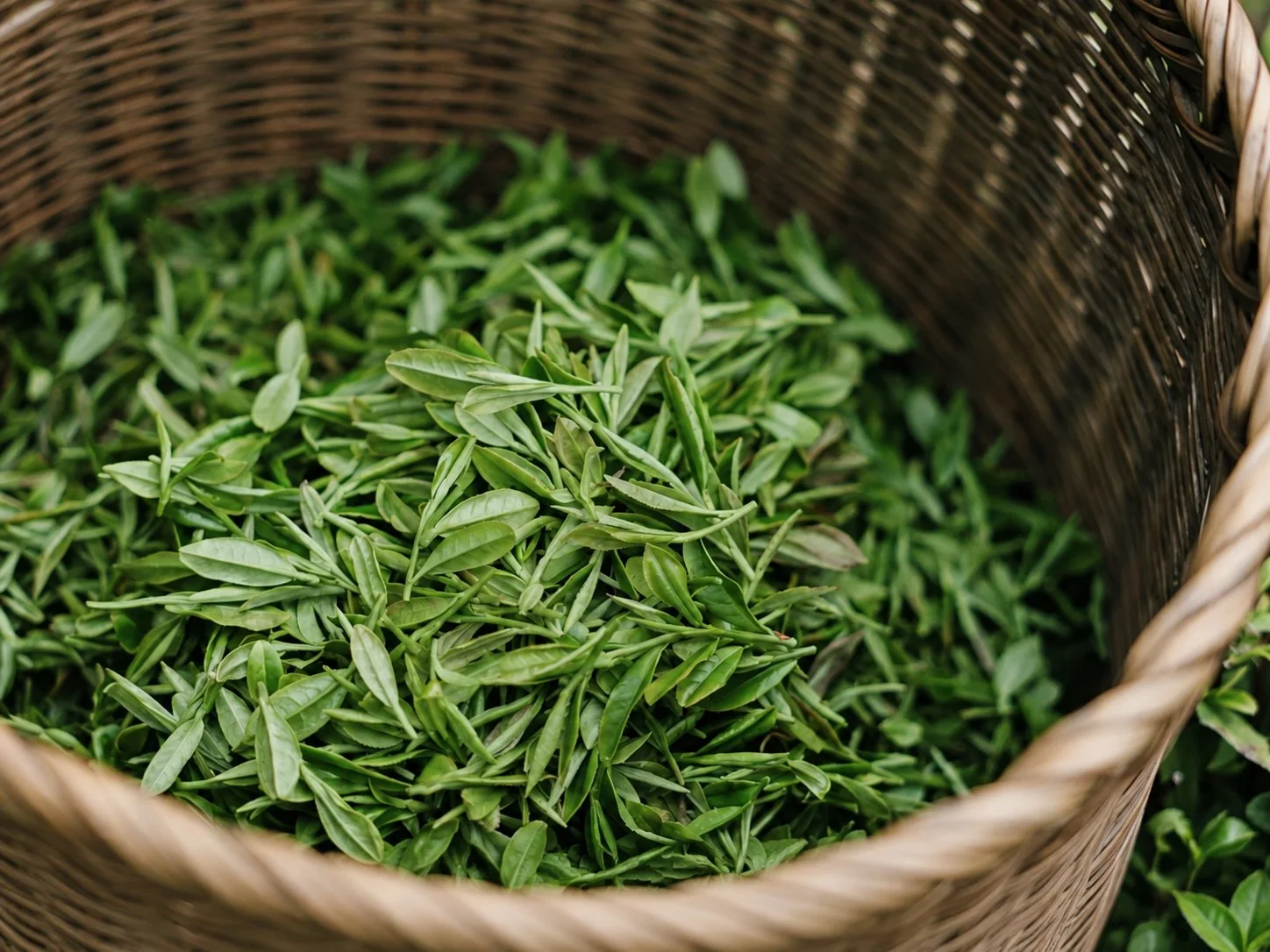
Tea · Independent or Private Guided
Tea pauses in Hangzhou, Suzhou and Huangshan. Hangzhou Longjing may include a village working room if the maker allows; Suzhou and Huangshan are sit-down cups. Choose Independent or Private Guided for the wider route.
Independent
We plan the route and book hotels, trains and tickets; you travel on your own and add a guide for the days you choose.
Choose IndependentPrivate Guided
An English-speaking private guide and a private car throughout, for early starts and the days you wait for light.
Choose Private GuidedFrom the China Guide
Every China Guide tea article: where each tea grows, where to drink it and how it is made. Browse by region or by tea.
Shanghai & Jiangnan
How West Lake Longjing tea is hand roasted in the wok, and where to walk the Longwu and West Lake hills to see the craft and drink the tea.
Shanghai & Jiangnan
A Suzhou guide to Dongting Biluochun in 2026: the GI green spiral tea, its Dongshan and Jinting gardens, and how to drink a proper cup in the city.
Shanghai & Jiangnan
How to drink Huangshan Maofeng in 2026: the Anhui green tea from Huangshan City, its leaf, its craft and how to enjoy a cup while you travel.
All 14 guides
What we arrange
Each experience fits inside a private route. Tell us which ones interest you and we shape the days around them.
Hangzhou · A tea pause
Walk a lane in Longwu or Meijiawu and sit for West Lake Longjing. Watching a hand roast depends on the maker and what is working that day; access is confirmed before the proposal.
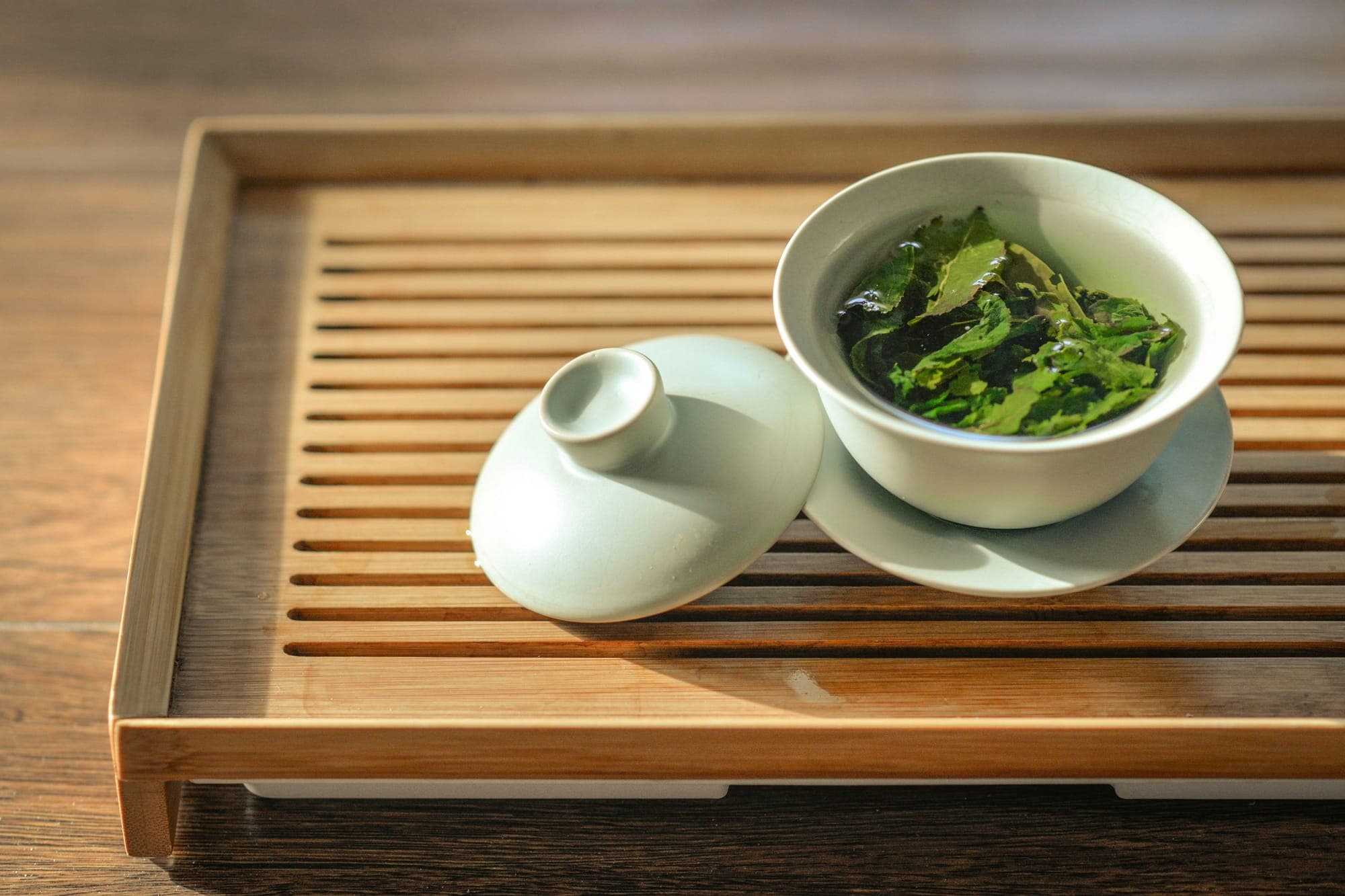
Suzhou · A tea pause
Taste the downy green spiral tea from Dongshan and Jinting on Taihu. The cup is a table in Suzhou, not a farm-touring van.
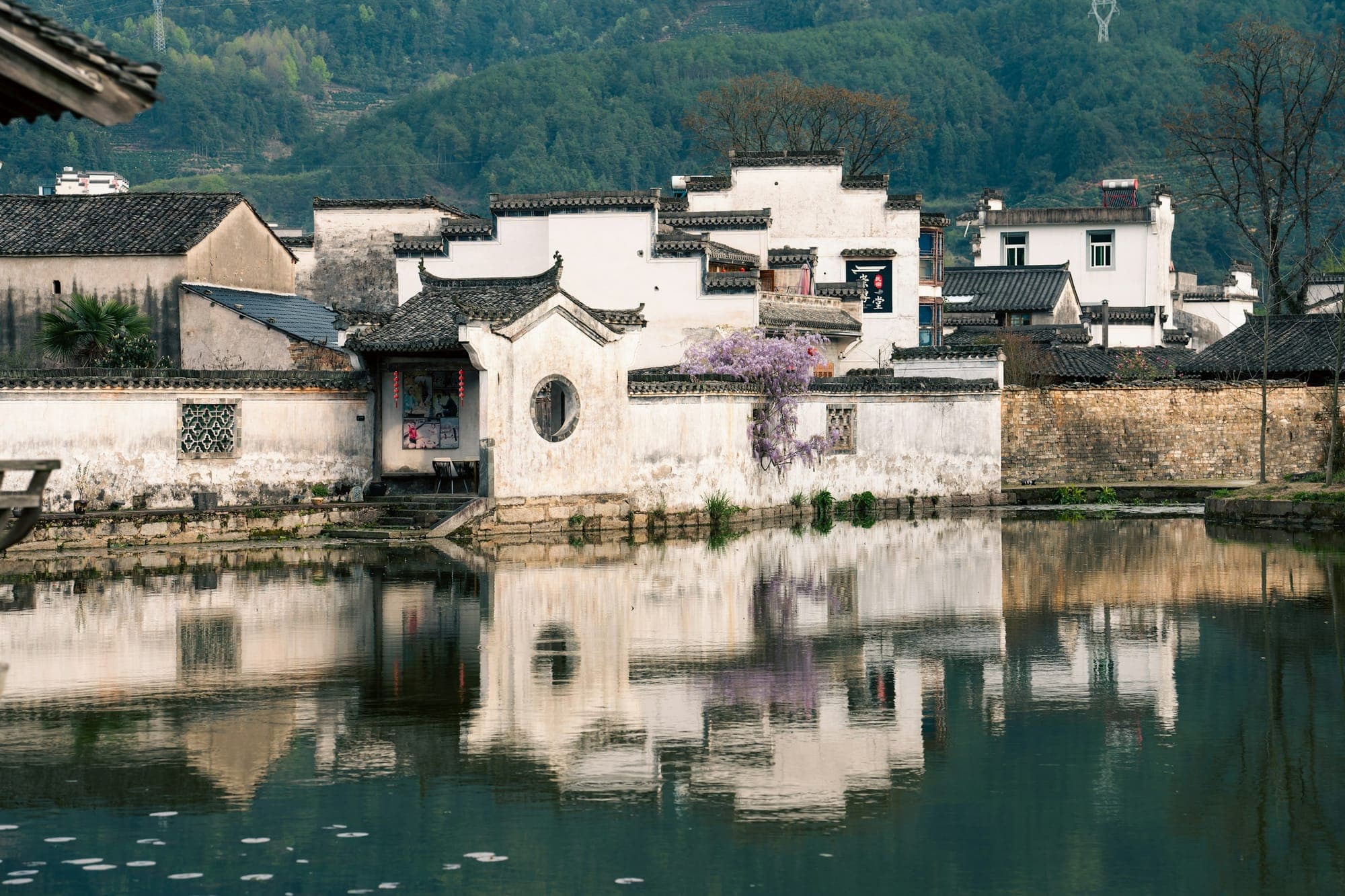
Huangshan · A tea pause
Sit for Huangshan Maofeng, the Anhui green tea made from tender shoots and leaves grown in Huangshan City. The cup is a sit-down of its own, separate from the ridge walk and not a sunrise package.
Sample itineraries
Starting points for your trip, with Independent and Private Guided reference prices. Experiences not included in the published days can be requested as additions.
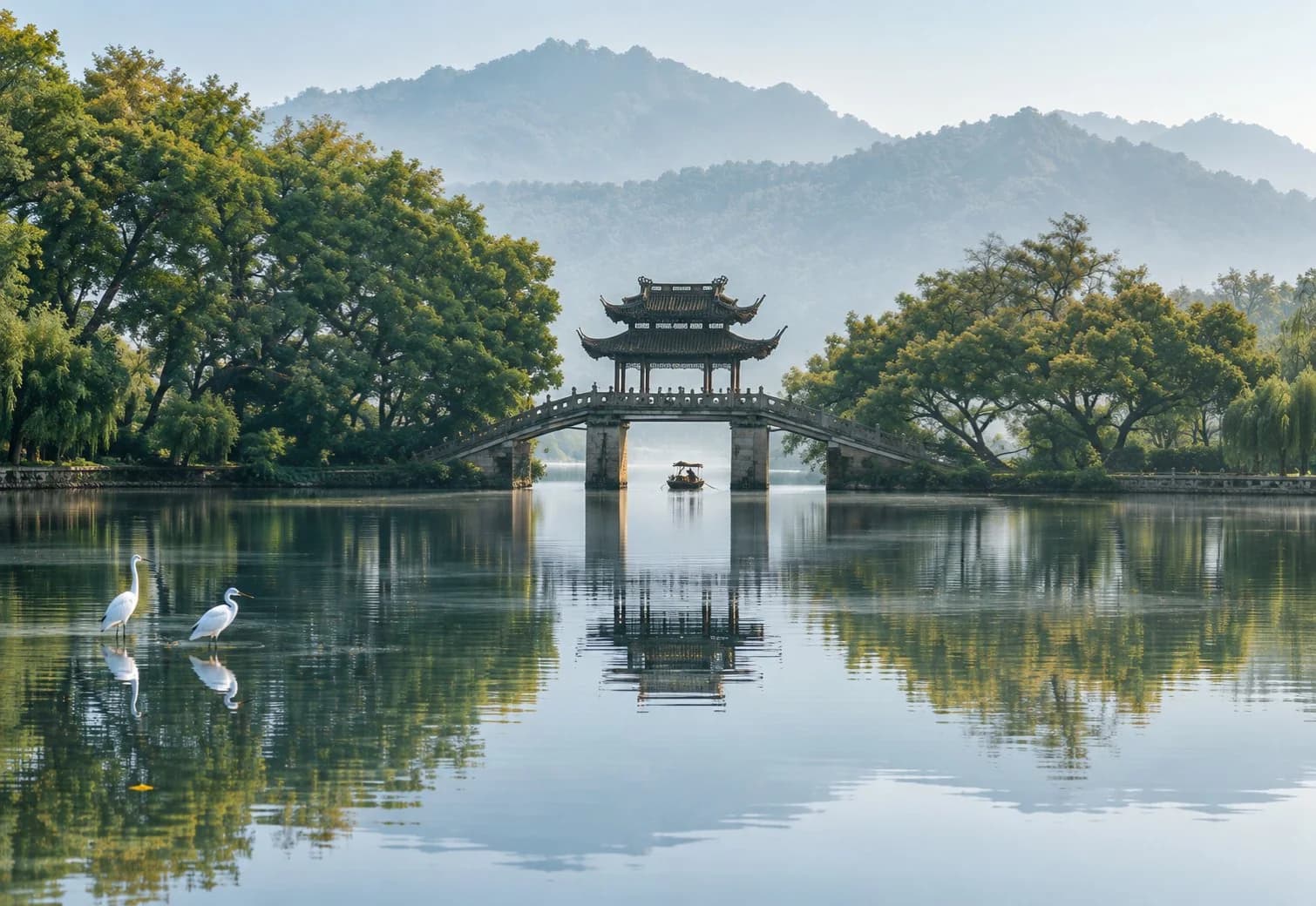 7 days
Shanghai · Hangzhou · Suzhou
Per person · 2026 reference price for 2 sharing · excl. international flights
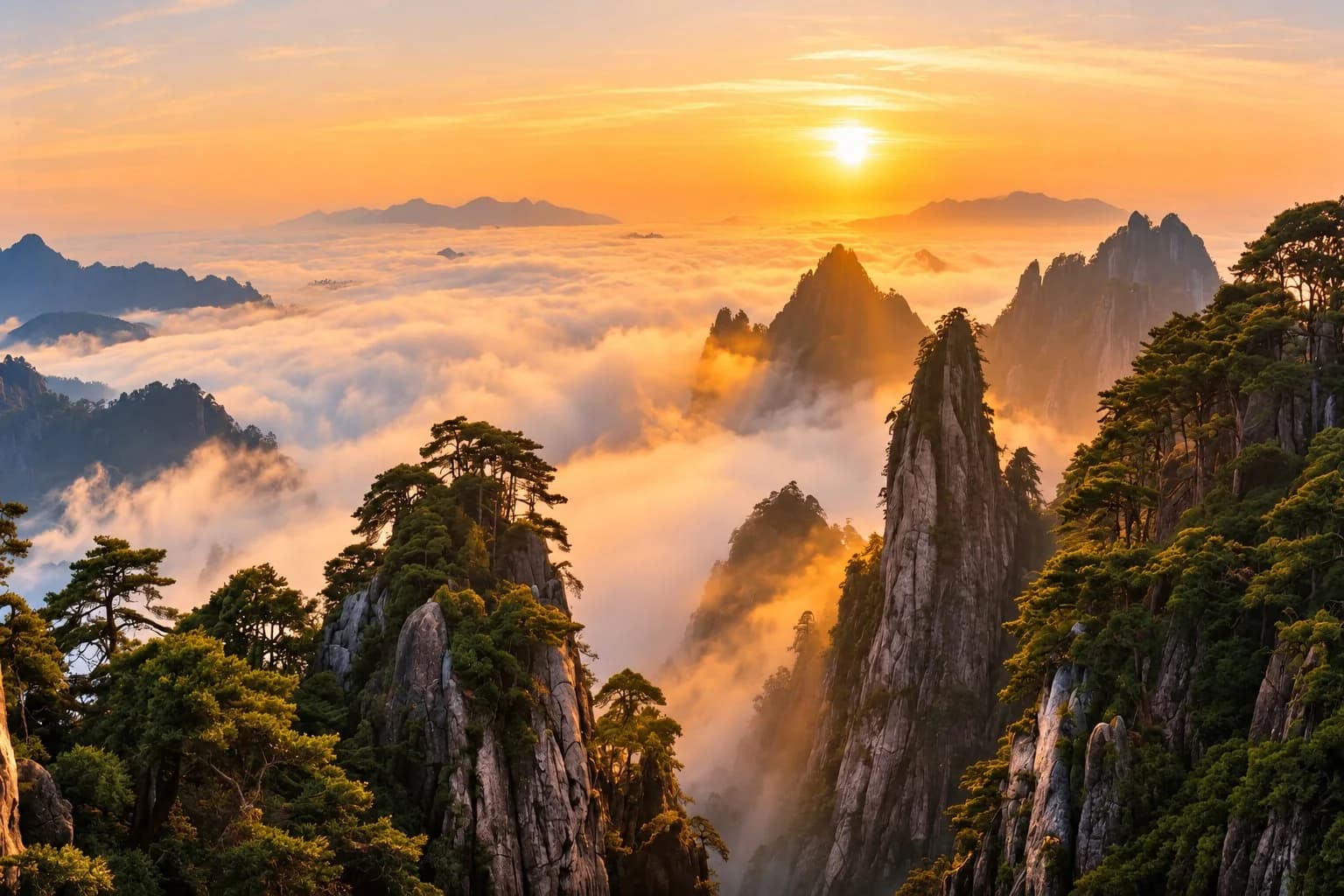 7 days
Hangzhou · Wuzhen · Huangshan
Per person · 2026 reference price for 2 sharing · excl. international flights
Per person · reference price for 2 travelers sharing · international flights not included. Your final price depends on hotels, car arrangements and what you ask for — usually a little above this, sometimes more. 2026 reference prices.
All sample itinerariesYour consultant for tea trips
Senior Travel Specialist
Speaks Mandarin and English
Send your dates and what you want to see. Your trip brief notes that you asked to plan with Serena.
Six regional traditions
China's most famous green tea, grown on the hillsides above Hangzhou's West Lake. The genuine article is harvested before Qingming, leaves flattened by hand, not machine. Most of what is sold as Longjing outside Hangzhou is not.
Aged tea from Yunnan's old-growth tea trees, pressed into cakes and stored for years or decades. The flavor profile shifts with age in a way closer to wine than to other teas. Xishuangbanna and Mengku are the significant source regions.
Oolong from Anxi county in Fujian, roasted over charcoal in a process that determines whether the final cup is light and floral or dark and caramelized. The roast level is as important as the cultivar.
Rock tea from the cliffs of the Wuyi Mountains in northern Fujian. The mineral quality of the soil produces a taste profile that cannot be replicated elsewhere. Genuine Wuyi rock tea is limited by geography and always expensive.
China's most internationally traded black tea, with a fragrance profile, often described as orchid or wine, that made it the foundation of British breakfast tea blends. The Qimen county in Anhui is the source.
Scented tea, green tea leaves layered with fresh jasmine flowers across multiple batches over several nights until the leaves absorb the scent. The quality difference between commercial jasmine tea and a specialist-scented version is considerable.
In China, sharing tea is the social grammar. Knowing how to read tea, which region, which age, which water temperature, is closer to literacy than hobby. Travelers who learn this experience China differently.
Answers from the published guides linked below.
In a working West Lake hill village, ask the maker whether a roast can be watched. Access and photography depend on permission; a demonstration should be confirmed before the proposal.
Read the guideNo. Dongting Biluochun is a green spiral tea from Dongshan and Jinting on Taihu, with its own origin and making technique.
Read the guideGive the tea its own pause below the ridge, not a place in the dawn walk. Huangshan Maofeng is an Anhui green tea from Huangshan City; the mountain walk and the cup are separate experiences.
Read the guideTrip brief
Your dates, interests and preferred pace. A specialist replies within 24 hours, and the first reply comes from a person. Every trip is quoted individually.
