TL;DR: Chongqing works best as a 3-day photography route: Hongya Cave at night, Liziba light rail in the morning, Ciqikou for old-street texture, Chaotianmen for river scale, and Eling Park for skyline views. Bring a wide lens, expect stairs and humidity, check air quality before dawn shoots, and keep transport time loose because the city is vertical.
Where should I shoot Chongqing’s night skyline first?
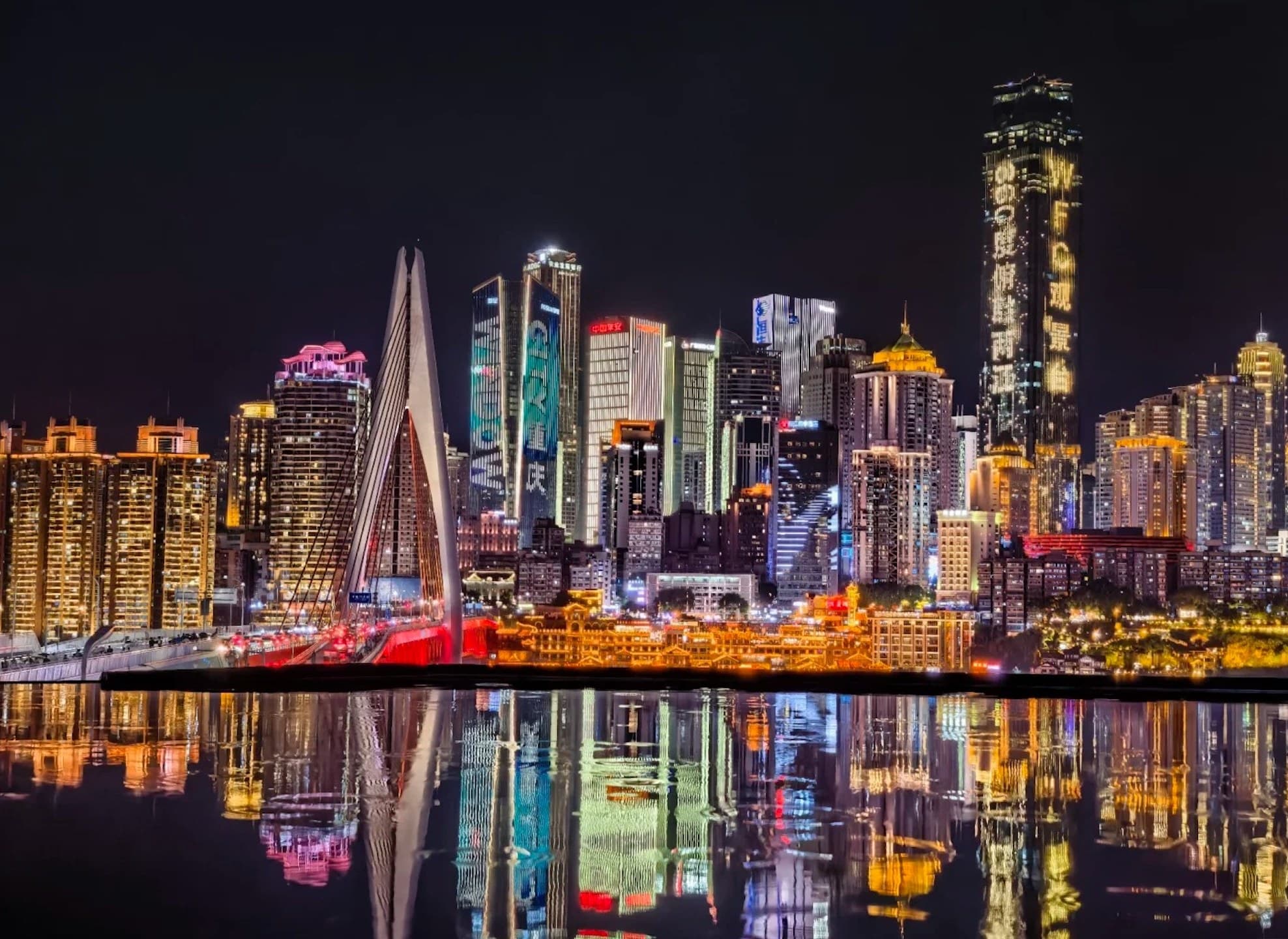
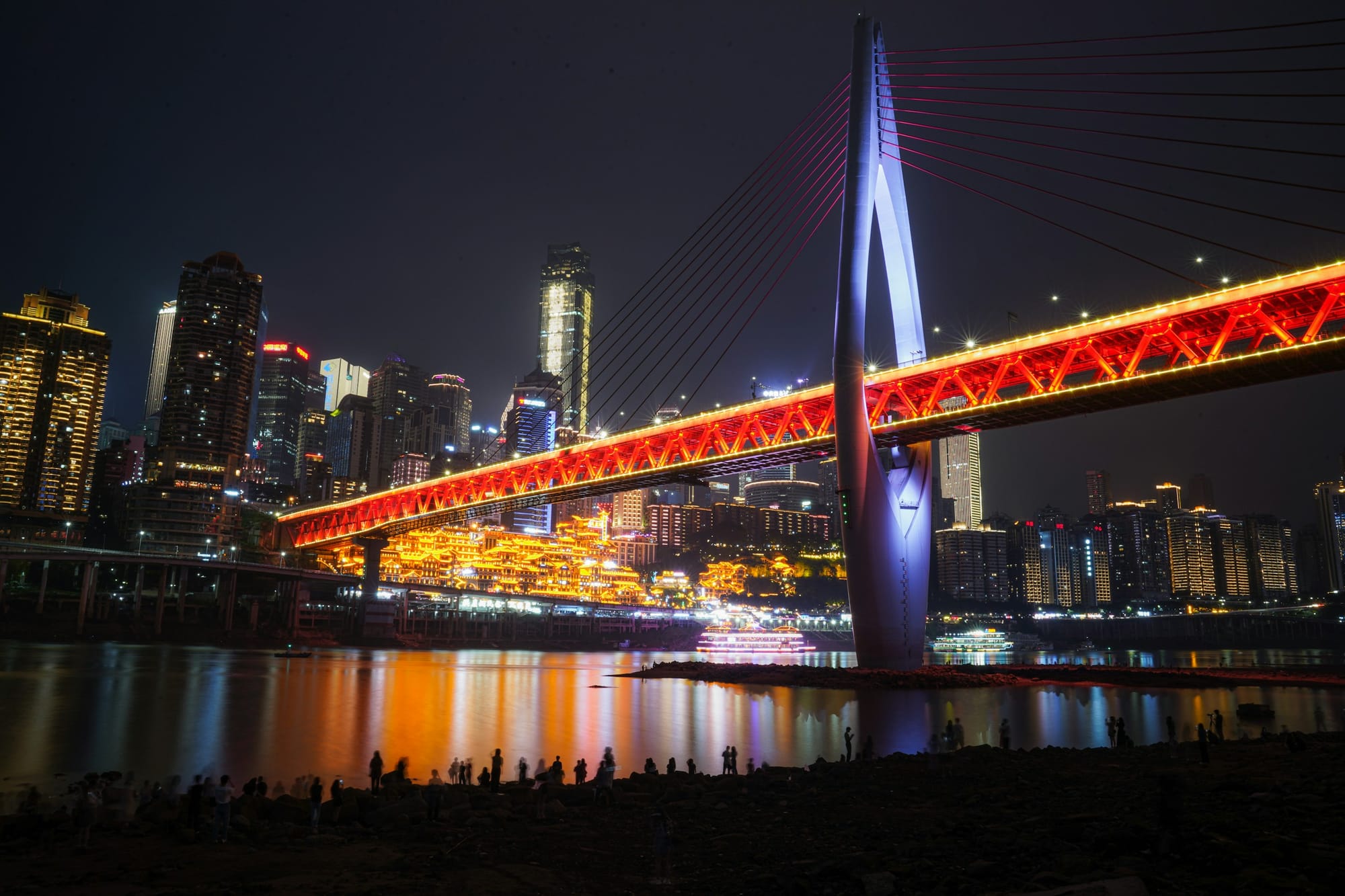
Start with Hongya Cave and the Jialing River bridges. The layered stilt-house lighting is strongest after dark, and the surrounding footbridges give cleaner angles than shooting only from the main tourist street. Build in crowd time, especially on weekends.
What is the best time to photograph Liziba station?
Go in the morning before the heaviest crowds and haze. The train-through-building frame is quick to shoot, but you need time for repeated passes, a clean foreground, and a backup angle if the viewing platform is packed.
What gear settings work for Chongqing?
Use a wide lens for stacked urban scenes, a fast prime for night markets, and a small tripod only where permitted. For neon scenes, underexpose slightly to protect highlights, then lift shadows in editing.
| Location | Best time | Photo focus | Source |
|---|---|---|---|
| Hongya Cave | Evening | Layered lights and bridges | Chongqing tourism portal, https://english.cq.gov.cn |
| Liziba Station | Morning | Light rail through building | Chongqing tourism portal, https://english.cq.gov.cn |
| Chaotianmen | Blue hour | River confluence and skyline | Chongqing tourism portal, https://english.cq.gov.cn |
| Air quality check | Before dawn shoots | Haze and visibility | AQICN Chongqing, https://aqicn.org/city/chongqing/ |
Frank Zhang, LocalKey Travel's founder based in Suzhou, frames Chongqing as a city where route order matters as much as the camera. In our experience, the best photo days keep locations clustered by elevation and river crossing, because one unnecessary transfer can drain the exact light window you came for.
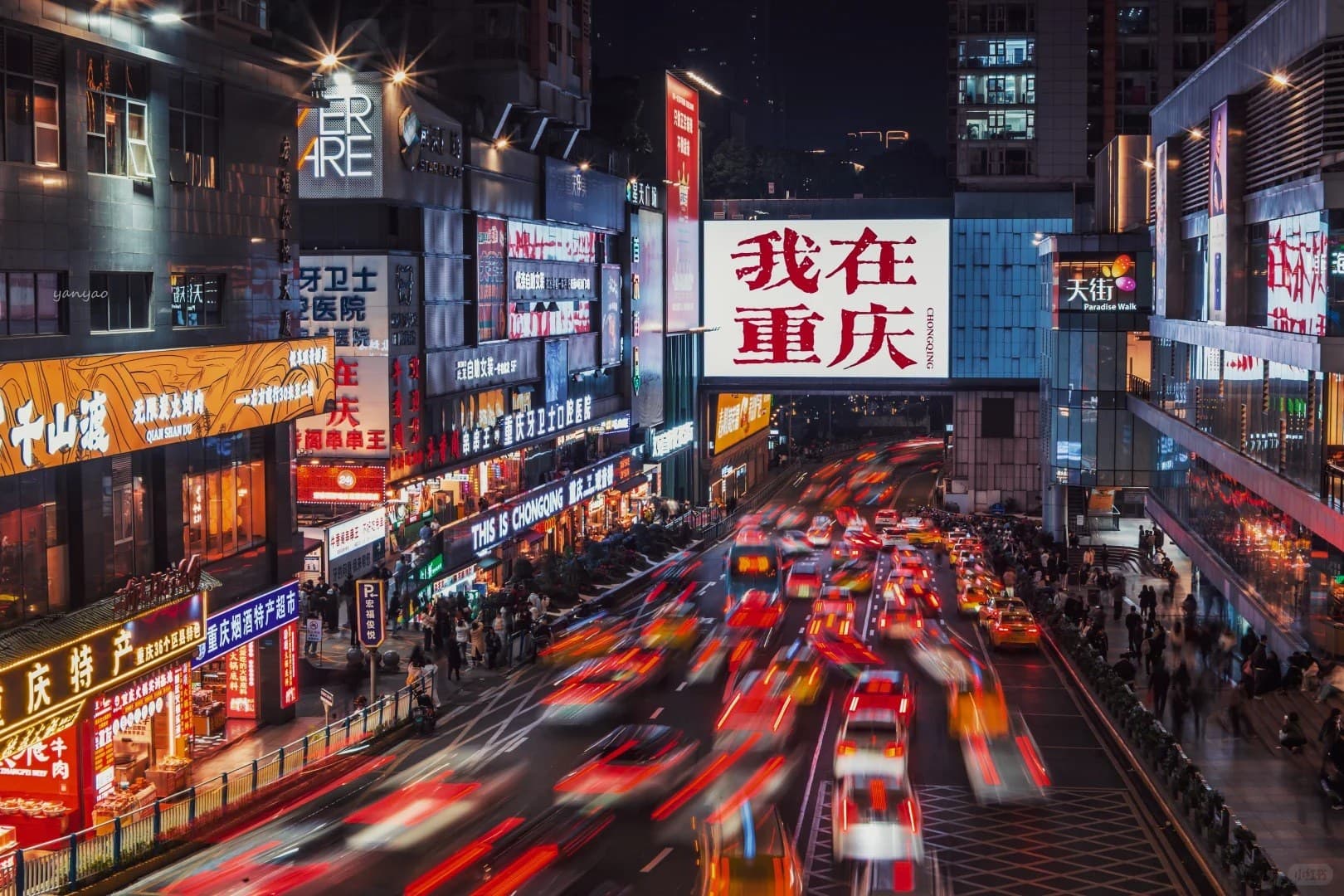
Chongqing looks like a science fiction set that someone forgot to tear down. Vertical tower blocks stack against foggy hillsides, neon signs bleed into river mist, and a light rail train passes directly through the sixth floor of a residential skyscraper. On Instagram and TikTok, "cyberpunk city" has become a top-25 China travel search — and Chongqing is the reason.
This guide is built for photographers who want more than a list of pretty spots. Over three days, you'll get exact shooting positions, timing windows, metro connections, and camera settings. Whether you're shooting on a phone or a full-frame mirrorless body, the city delivers.
One reality check upfront: Chongqing rewards chaos. The best shots often come from unplanned turns down steep stairways or fog rolling in at the wrong moment. Resist the urge to schedule every minute.
Getting There + Orientation
By High-Speed Rail
Chongqing is well connected by China's HSR network. The most common entry points:
- From Chengdu (CTU → CKG): the shortest high-speed link into the city; for stations, journey times and booking, see Chengdu to Chongqing by high-speed rail. This is the easiest way to add Chongqing to a Chengdu trip.
- From Shanghai (SHA → CKG): a long rail day. Overnight sleeper options are available if you want to save a hotel night and arrive fresh for morning shooting.
- From Beijing: Book in advance. Most routes pass through Xi'an, adding time. Direct services exist but sell out quickly during holidays.
City Orientation
Chongqing is a municipality the size of Austria. The photography-relevant area is concentrated on the Yuzhong peninsula — the narrow strip of land where the Yangtze and Jialing rivers converge. Almost every spot in this guide is on or near this peninsula.
Where to stay: Jiefangbei district. It's walkable to Hongya Cave, has metro access to everything else, and sits at the center of the peninsula.
Metro: Lines 1, 2, and 6 cover all the key photo locations in this guide. Signage is in English and Chinese. For fares, hours and paying at the gate, see how to get around Chongqing.
Day 1 — Arrival + Hongya Cave Night Shoot
Evening: Hongya Cave
This is the shot that put Chongqing on social media. Hongya Cave is an 18-storey stilted complex built into the cliff above the Jialing River, illuminated at night with hundreds of lanterns and warm light fixtures. The comparison to the bathhouse in Spirited Away is overused but not inaccurate.
Location: 29.5651°N, 106.5753°E. Metro Line 1 to Xiaoshizi station, Exit 2. Follow the signs — it's a 5-minute walk downhill.
Timing: Arrive by 7:30 PM. The buildings illuminate at dusk and reach full brightness around 8:00 PM. The gap between sunset and full illumination is actually the best window — you get warm light against a deep blue sky rather than pure black.
Primary shot — from the north bank:
Cross the Jialing River to Jiangbeizui Park. It's a 600-meter walk from the nearest metro exit on Line 6. This position gives you the full 18-storey structure in frame, reflected in the river if the water is calm. Shoot at 21–35mm equivalent to capture the entire facade. A tripod is essential here — you'll be shooting at slow shutter speeds to balance the building brightness with the sky.
On foggy nights (common October through February), mist settles on the river and the lanterns glow through it. The effect is genuinely otherworldly. If you're visiting during these months, check the weather forecast and plan an extra evening in case the first night is clear.
Secondary shot — from below:
Walk to the riverside promenade directly beneath the stilted structures. Point your camera upward at a steep angle. This perspective compresses the stacked floors and emphasizes the vertical density that makes Chongqing look like no other city. Shoot at 24–35mm; wider angles distort the building lines.
Dinner: The hotpot restaurants on floors 3–7 of Hongya Cave are tourist-oriented but worth it for the riverside view during dinner. Order "medium" spice — Chongqing hotpot is considerably spicier than what you'll find in other Sichuan cities.
Day 2 — Liziba Light Rail + Ciqikou Old Town
Morning: Liziba Station
This is the shot that makes people question whether the photo is real. Metro Line 2 passes directly through the sixth floor of a residential high-rise. The building was constructed around the railway — the train runs through a tunnel built into the structure itself.
Location: 29.5557°N, 106.5339°E. Take Metro Line 2 to Liziba station itself, then walk down to street level to the viewing area below the building.
The shot: Stand on the street facing the building facade. Trains pass through every 4 minutes during peak hours. The train appears and clears the building in approximately 8 seconds, so burst mode is your friend. Set your camera to continuous high-speed burst and hold the shutter as the train approaches.
Best timing: Morning light between 9:00–11:00 AM hits the east-facing facade well. The building catches warm light while the background stays cooler. In the evening, the building interior glows with warm light against the blue-hour sky — a different but equally strong composition.
Settings: Shutter priority at 1/250 second minimum to freeze the train. If you want motion blur on the train with a sharp building, drop to 1/30 and brace against something solid.
Allow 30–45 minutes here. You'll want multiple attempts, and the viewing area gets crowded with tourists doing the same thing.
Afternoon: Ciqikou Old Town
A Ming-to-Qing dynasty old town built on a bend in the Jialing River. The contrast between this morning's modern infrastructure and these centuries-old stone alleys is one of Chongqing's defining characteristics.
Location: 29.5833°N, 106.4466°E. Metro Line 1 to Ciqikou station, Exit 2. The old town entrance is a 3-minute walk.
Primary shot: Walk to the northwest corner of the old town to find the stone steps leading down to the river's edge. From the waterline, you get a river-bend panorama with the old town rising up the hillside behind you. This works best at 24–35mm.
Secondary shot: The narrow alleys looking toward the pagoda at distance. Shoot down the alley with the pagoda framed at the end — the compression from a 50–85mm lens works well here, stacking the depth.
Timing: 4:00–6:00 PM for warm directional light through the alleys. Avoid weekends if possible — the town is a popular domestic tourist destination and the crowds make photography difficult on Saturdays and Sundays.
Food to photograph: Ciqikou mochi and rice cake skewers. The sticky texture and cross-section make for strong food photography subjects.
Evening: Chaotianmen Docks
The tip of the Yuzhong peninsula where the Yangtze and Jialing rivers converge. The confluence is visible — the two rivers are different colors and meet in a distinct line.
From the steps at Chaotianmen, shoot a wide-angle city panorama at night. The riverside developments light up in both directions. A 16–24mm lens captures the sweep of the waterfront.
River cruises depart from here; for routes, timing and how a night cruise compares with the riverbank viewpoints, see Chongqing night views. The waterline perspective is worth it if you have the time — you shoot upward at the illuminated towers from river level, which is an angle you can't get from land.
Day 3 — Eling Park Views + Departure
Morning: Eling Park
A hilltop park on the narrowest point of the Yuzhong peninsula. From the elevated walkways, you can see both rivers simultaneously — the Yangtze to the south and the Jialing to the north.
The key shot: Feishan Pavilion at the park's highest point has an oval-shaped opening — the "pigeon hole" — that frames the city skyline perfectly. Position yourself so the towers fill the oval frame. This is one of the strongest compositions in Chongqing and requires no special gear beyond a standard zoom.
Location: Metro Line 1 to Eling station. The park entrance is a short walk uphill. Free entry.
Timing: 8:00–10:00 AM. Morning fog or haze frequently settles in the valleys below the park, creating layered depth between the foreground trees and the distant towers. This is the kind of atmospheric condition that sells a photograph — the fog separates the layers and adds dimension.
Late Morning: Yangren Street — Optional
If you have time before departure, Yangren Street offers eclectic public art installations and pop art murals. It's about 20 minutes by taxi from Eling Park. Good for street photography and colorful backgrounds, but not essential if you're on a tight schedule.
Afternoon Departure
Chongqing Railway North Station is served by high-speed rail to most major destinations. Allow 90 minutes before your departure time for metro travel and ticketing. The metro connects to the station directly.
Gear + Settings for Chongqing
Lenses
- 24–70mm equivalent: The most versatile option. Covers Hongya Cave compositions, street scenes in Ciqikou, and the Eling Park framing. If you bring one lens, bring this.
- 70–200mm: Useful at Liziba for compressing the train against the building facade. Also strong for isolating tower details from across the river.
- 16–24mm wide angle: Interior shots at Ciqikou, the Chaotianmen panorama, and any tight alley work where you need to exaggerate depth.
Camera Settings by Location
Hongya Cave night shoot: ISO 800–1600, f/2.8, 1/60 second handheld. With a tripod: ISO 100, f/8, 2–4 second exposure for maximum sharpness and detail in the illuminated facade.
Liziba train: Shutter priority mode, 1/250 second minimum to freeze motion. Burst/continuous shooting mode. If the light is low, bump ISO to 400–800 rather than dropping shutter speed.
Foggy mornings at Eling Park: The fog acts as a giant diffuser. Add approximately 1 stop of positive exposure compensation to prevent the camera from underexposing the scene. Fog softens midtones naturally — embrace it rather than fighting it.
Editing Direction
Chongqing's architecture suits a teal-orange color grade. Push the neon signs and warm building lights toward amber, and let the river fog and sky drift toward cyan-blue. The contrast between warm and cool tones is what makes the city look the way it does.
Avoid over-saturating. The city already produces strong color from its signage and lighting. Heavy saturation pushes the images toward cartoon territory. A subtle lift in vibrance is usually enough.
Practical Notes
Language: Sichuan dialect is the local language and it's distinct enough that even Mandarin speakers sometimes struggle. That said, Mandarin is understood everywhere — restaurants, metro stations, hotels. English is rare outside international hotels and major tourist sites. Download a translation app before you arrive.
Food: Chongqing hotpot is the city's signature dish and it is substantially spicier than standard Sichuan hotpot. If you're not confident with heat, order "medium" (zhōnglà) rather than "spicy" (tèlà). The numbing málà flavor comes from Sichuan peppercorns and dried chili — it builds over the meal. Have milk or yogurt on hand.
Rain: Chongqing averages over 120 rainy days per year. Pack a rain cover for your camera. The upside: rain mixed with neon produces some of the best street photography conditions you'll find anywhere. Wet pavement reflects every light source. Don't hide from rain — shoot in it.
Air quality: Chongqing is an industrial city. Check PM2.5 levels before planning dawn shoots — heavy pollution creates haze that flattens distance and kills contrast. Apps like AirVisual give hour-by-hour readings.
Next destination: Chengdu is a short high-speed rail hop away (see Chengdu to Chongqing by high-speed rail). It's the natural next stop and pairs well with Chongqing — Chengdu is flatter, calmer, and famous for its panda base and traditional tea house culture.
Story companion: cyberpunk city framing
Looking for the culture and trip-planning angle rather than camera settings? Read Is Chongqing a Real-Life Cyberpunk City? for Liziba, Hongyadong and the Yangtze River Cableway as travel places — with access notes, days needed and how to build the route. This page stays the photography plan.
Is the cyberpunk city story the same as this photo guide?
No. This page is the 3-day photography blueprint (positions, timing, gear). The cyberpunk city story guide covers the TikTok framing versus real infrastructure and how to visit without a shoot plan.
Related
- Plan the days: Chongqing itinerary for how the shoots fit a 2- or 3-day city stay
- Next read: Chengdu 2-Day Itinerary — Giant Pandas, Kuanzhai Alleys, and Hotpot That Doesn't Punish You
- Transport planning: Use the LocalKey HSR planner to check Chongqing train schedules and prices
- Photo spot details: Full coordinates and access info for all Chongqing photo locations
Further Reading
- First-Time China Visitor Checklist (2026) — what to sort before you board the plane
- China 240-Hour Transit: Eligible Countries & Ports — useful if you are adding Chongqing during a visa-free transit window
- Emergency Contacts for China Travelers — police, ambulance, embassy lines for every major city
External resources: Chongqing Tourism Government Portal for opening hours and seasonal events; China Air Quality Index for real-time PM2.5 before dawn shoots.