TL;DR: Pack for China by season and city, not by one national average. Bring passport documents, payment backups, a mobile data plan and translation tools, plus the right clothes for the season in each city. That means layers for spring/autumn, breathable clothes for humid summers, and serious cold-weather gear for Beijing winter. Check city forecasts before departure and leave space for local basics you can buy after arrival.
What should every China packing list include?
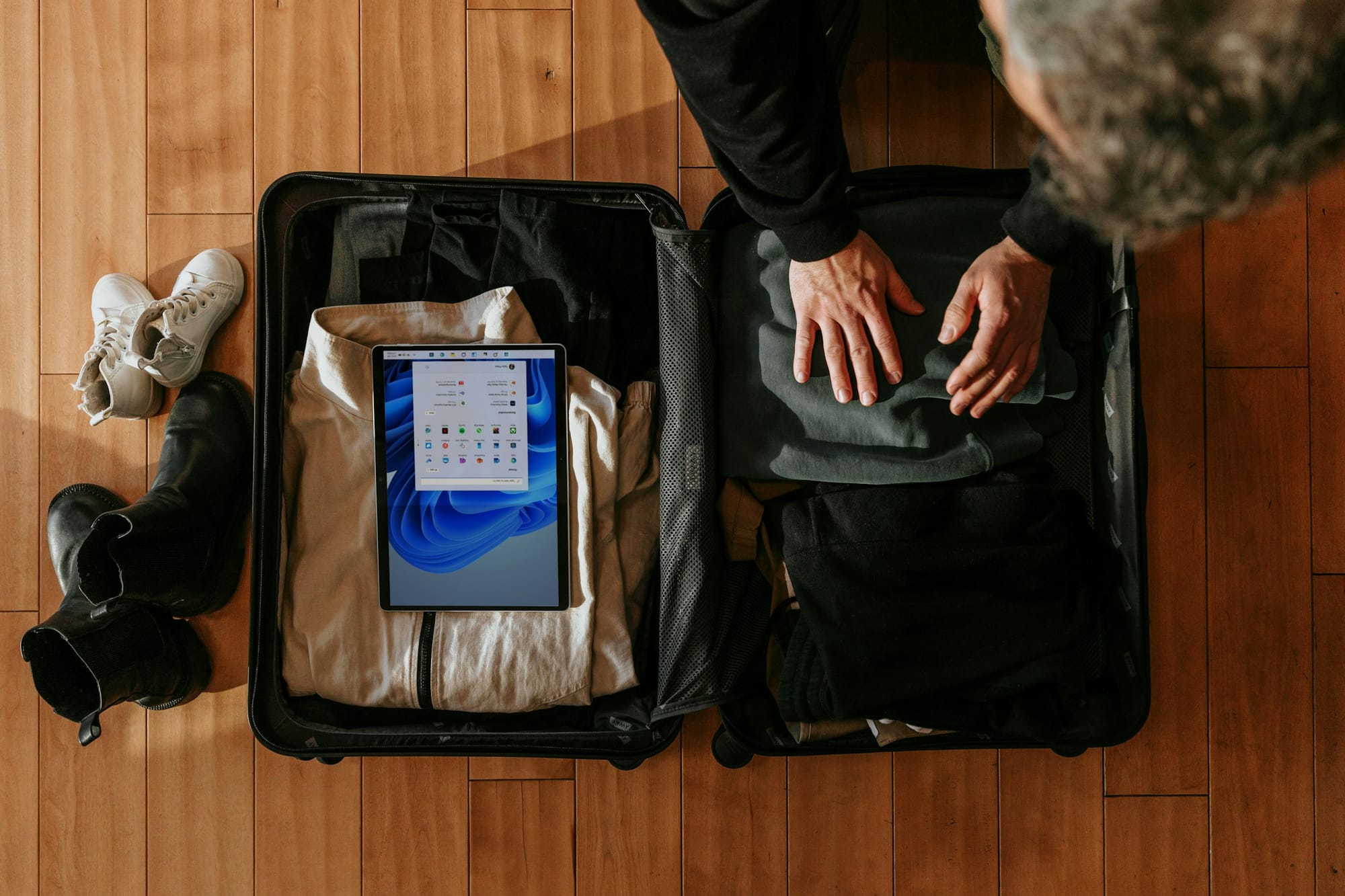
Every traveler should carry passport documents, visa or transit proof, payment backups, medication, a charged phone setup, offline maps, translation tools, and a small cash reserve. These matter more than extra outfits because they solve arrival-day problems.
How does packing change between Beijing, Shanghai, Chengdu, and Chongqing?
Beijing has sharper winter cold and drier air, Shanghai and Suzhou are humid with more rain, Chengdu is milder but damp, and Chongqing gets hot and steep in summer. Shoes, layers, and rain protection should follow the city mix.
What should I avoid packing for China?
Leave a drone, controlled medicines and boxes of printed materials at home, and avoid overpacking toiletries, bulky “just in case” clothing, and anything you can buy locally. Save luggage space for comfortable shoes, weather-appropriate layers, and the documents or tech items that are hard to replace quickly.
| Season | Main packing risk | Practical item | Source |
|---|---|---|---|
| Spring | Rain and changing temperatures | Light rain shell and layers | Weather China, https://en.weather.com.cn/ |
| Summer | Heat, humidity, typhoon disruption | Breathable clothes and buffer day | China Meteorological Administration, https://eng.nmc.cn/ |
| Autumn | Large day-night swings | Layered jacket | Weather China, https://en.weather.com.cn/ |
| Winter | Northern cold | Thermal layers and gloves | Weather China, https://en.weather.com.cn/ |
| Documents | Visa or transit proof | Passport copies and confirmations | China Visa Application Service Centre, https://www.visaforchina.cn/ |
Frank Zhang, LocalKey Travel's founder based in Suzhou, recommends packing around the first 24 hours: what you need to clear arrival, pay, navigate, sleep, and recover if the weather changes. In our experience, that beats a heavier suitcase full of items you can buy locally.
China covers roughly the same landmass as the continental United States, stretching from subarctic Heilongjiang in the north to tropical Hainan in the south. Packing for a trip that spans Beijing in January and Chongqing in July requires two completely different bags. This guide is organised by season, with city-specific callouts where temperatures and conditions diverge enough to matter. The temperature data below comes from long-term climate averages for Shanghai (SHA), Suzhou (SZV), Beijing (PEK), Chengdu (CTU), and Chongqing (CKG).
If you are still planning your itinerary, start with our First-Time China Visitor Checklist (2026) — it covers the logistics that affect what you pack, including visa type, SIM card decisions, and payment setup.
Universal Packing List (All Seasons)
Regardless of when you visit, these items go in your bag every time.
Documents and Essentials
- Passport — physical original, not a photocopy. Chinese hotels are required to register foreign guests with the local police and will not accept a copy.
- Travel insurance card with a 24-hour emergency number printed on it. Digital-only policies are fine, but keep a screenshot accessible offline.
- Printed hotel address in Chinese characters. Your phone will die, lose signal, or fail to load at the worst possible moment. A slip of paper with the hotel name and address in simplified Chinese characters has saved more taxi rides than any translation app.
- Some cash for the first day (our suggestion, not a rule). Exchange before departure or withdraw at the airport ATM. You will need cash for the taxi from the airport if you have not yet set up mobile payment. For mobile payment setup once you arrive, see Alipay for Foreigners 2026.
Tech
- Unlocked phone with eSIM capability or a dual-SIM tray. Mobile data is essential — Wi-Fi is unreliable outside hotels, so plan international roaming or a foreign eSIM data plan before you fly.
- Power bank, 10,000–20,000 mAh. China is a mobile-first country. You will use your phone for maps, translation, payment, transit codes, and restaurant ordering. A 10,000 mAh bank gets you through a full day; 20,000 mAh if you are shooting video.
- Universal travel adapter. Mainland China uses Type A (two flat prongs) and Type I (three angled prongs) outlets. European visitors need a plug adapter. UK visitors need one too.
- Know the internet rules before you go. Google, Facebook, YouTube and X are permanently blocked in mainland China, and under China's cybersecurity rules, VPNs must be licensed by the Chinese government, so unlicensed VPN use is not permitted (UK FCDO China travel advice, updated 27 August 2026, checked 7 October 2026). Stay online with international roaming or a foreign eSIM data plan; our eSIM and SIM guide compares both.
Health
- Your regular prescription medications — bring the full supply plus a two-week buffer. Some medications that are common in Western countries are restricted or unavailable in China. Generic substitutes may differ in dosage or formulation. Consult your physician before departure. This is not medical advice.
- Travel-size hand sanitiser. Useful in smaller cities and rural areas where soap may not be available in public restrooms.
- Rehydration sachets. Particularly if you are visiting in summer. Shanghai and Chongqing summers involve sustained heat and humidity that will dehydrate you faster than you expect.
Practical
- Daypack with a zipper closure. Open-top tote bags and drawstring packs are easy targets on crowded metro lines and overnight trains.
- Compact umbrella or packable rain jacket. Rain seasons vary by city — see the seasonal sections below — but some form of rain protection is necessary year-round in southern and central China.
- Comfortable walking shoes. The Forbidden City alone covers 72 hectares. Most major tourist sites involve extended walking on stone, tile, or uneven ground. Break in your shoes before the trip.
Spring Packing List (March–May)
Spring in central and northern China is short and volatile. Temperatures swing 15°C or more between morning and afternoon, and Beijing can still see snow flurries in early March.
Temperature reference:
| City | March | April | May |
|---|---|---|---|
| Shanghai | 6–14°C | 11–20°C | 16–25°C |
| Beijing | 1–13°C | 7–21°C | 14–27°C |
Clothing
- 2–3 lightweight layers: T-shirt, long-sleeve mid-layer, light fleece or down vest. The layering system lets you adjust as temperatures climb through the day.
- One medium-weight jacket or packable down vest. Mornings in March and early April are cold enough to need it.
- Waterproof outer layer — compact and packable. April and May bring rain to Shanghai and Suzhou.
- Comfortable walking shoes with dark soles. Pavements in rain get muddy, and white soles show every mark.
Spring-Specific Items
- N95 or KN95 mask. Beijing's spring dust storms, driven by winds from the Gobi Desert, peak in March and April. Check the AQI (Air Quality Index) each morning — on days above 150, consider indoor sightseeing. The Beijing Municipal Ecological Environment Monitoring Centre publishes real-time data.
- Sunscreen SPF 30+. UV intensity climbs sharply through April and May, especially at altitude in western cities like Chengdu.
- Allergy medication if you are pollen-sensitive. Cherry and plum blossom season runs March through April across central China.
Summer Packing List (June–August)
Summer is China's most punishing season for travellers. Southern and central cities combine temperatures above 30°C with humidity that makes the air feel like a wet blanket. The plum rain season (méiyǔ) brings persistent drizzle to the Yangtze Delta from mid-June through mid-July, followed by a stretch of direct, aggressive sun.
Temperature reference:
| City | June | July | August |
|---|---|---|---|
| Shanghai / Suzhou | 21–29°C | 25–33°C | 25–33°C |
| Beijing | 19–30°C | 22–32°C | 21–31°C |
| Chengdu | 21–30°C | 22–31°C | 22–31°C |
| Chongqing | 22–31°C | 25–36°C | 26–36°C |
Chongqing regularly records the highest temperatures of any major Chinese city. If you are visiting in July or August, prepare for 36°C days with high humidity.
Clothing
- Lightweight, breathable synthetics or linen. Cotton absorbs sweat and stays wet — synthetic blends dry faster and feel lighter in humidity.
- Short-sleeve shirts. Bring one long-sleeve layer for heavily air-conditioned restaurants, museums, and metro cars, where indoor temperatures can be 15°C below outdoor.
- Compact rain jacket — non-negotiable. Daily afternoon thunderstorms are the norm in Beijing and Shanghai from June through August.
- Quick-dry walking shoes or sandals with ankle support. Avoid leather shoes that will trap moisture.
Summer-Specific Items
- Sunscreen SPF 50+. Reapply every 90 minutes when outdoors. UV index in Shanghai regularly hits 9–10 in July.
- Portable mini fan. These are sold at convenience stores and street vendors across China. Consider buying one on arrival rather than packing one.
- UV umbrella / parasol. Widely used across China — you will see locals carrying them everywhere. They provide shade during long outdoor sightseeing days and double as rain protection. Metro station shops sell them.
- Wide-brim hat. Baseball caps leave your ears and neck exposed.
- Insect repellent. Particularly useful in rural and riverside areas in southern China — Hangzhou, Suzhou, and anywhere along the Yangtze.
- Typhoon awareness. If you are visiting coastal or eastern cities (Shanghai, Hangzhou, Ningbo) between July and September, download the CMA app (China Meteorological Administration) for real-time typhoon tracking and alerts.
Autumn Packing List (September–November)
Autumn is China's most comfortable travel season. Humidity drops, skies clear, and temperatures settle into a pleasant range. Beijing in October is one of the best times to visit — dry air, blue skies, and temperatures around 15–20°C. The window is short, though: by mid-November, northern cities are already approaching freezing.
Temperature reference:
| City | September | October | November |
|---|---|---|---|
| Shanghai | 20–28°C | 15–23°C | 14–17°C |
| Beijing | 14–25°C | 7–19°C | −1–8°C |
Clothing
- A layering system: base layer, mid layer, outer shell. Mornings and evenings cool quickly, especially after mid-October in Beijing.
- Medium-weight jacket — packable preferred for day trips.
- Light waterproof for September, when late-summer rain lingers in central China.
- A warm scarf. Beijing and Suzhou evenings drop fast after mid-October, and many restaurants and tea houses have outdoor seating.
Autumn-Specific Items
- Sunscreen SPF 30+. Autumn sun is deceptive — the air feels cooler, but UV intensity remains moderate to high, particularly at altitude in Chengdu and Chongqing.
- Comfortable boots or walking shoes. Temple paths and garden trails in Suzhou and Hangzhou are covered in fallen leaves by November, which can be slippery when wet.
Winter Packing List (December–February)
Winter in China splits into two distinct packing strategies. Northern cities — Beijing, Harbin, Xi'an — are cold and dry. Central cities — Shanghai, Chengdu, Chongqing — are cold and damp. For where to go by region from December to February, see winter in China. The damp cold in Shanghai at 2°C often feels worse than the dry cold in Beijing at −7°C, because moisture conducts heat away from the body faster.
Temperature reference:
| City | December | January | February |
|---|---|---|---|
| Beijing | −7 to 3°C | −7 to 3°C | −4 to 6°C |
| Shanghai | 2–9°C | 1–8°C | 2–10°C |
| Chengdu | 3–10°C | 3–9°C | 5–12°C |
| Chongqing | 6–12°C | 4–10°C | 6–13°C |
Beijing Winter
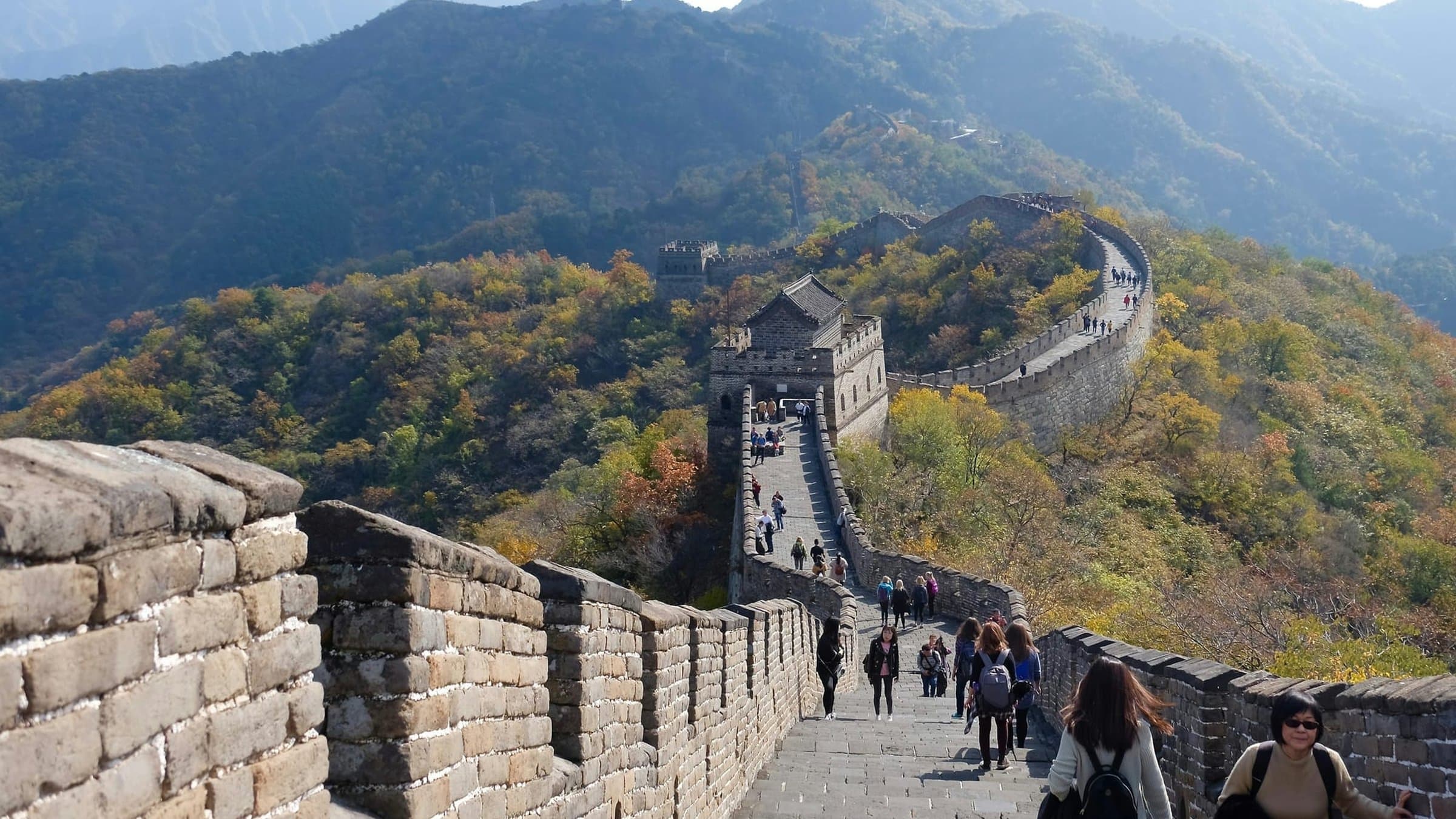
If you are spending time outdoors — walking the Great Wall, visiting the Summer Palace, or exploring hutong neighbourhoods — you need serious insulation.
- Thermal base layers (top and bottom). Merino wool or synthetic thermal underwear worn under your regular clothes.
- Heavy insulated coat rated to at least −10°C. If you plan to hike the Great Wall (which is exposed to wind), go warmer.
- Wool or fleece mid-layer for the transition between heated indoors and cold outdoors. Chinese buildings are heated in winter (unlike much of southern China), so you will be peeling layers off frequently.
- Insulated, waterproof boots with grip soles. Stone steps at hilltop temples and the Great Wall can be icy. Rubber soles with deep tread are essential.
- Gloves, warm hat, and neck gaiter. Wind chill at the Great Wall can push effective temperatures to −15°C or lower.
Shanghai, Chengdu, and Chongqing Winter
These cities do not get as cold as Beijing, but the damp, penetrating cold and the lack of central heating in many buildings (especially older ones) make it uncomfortable without the right gear.
- Warm coat plus wool jumper. You do not need the same level of insulation as Beijing, but a good wool or fleece mid-layer is important.
- Waterproof outer shell. Drizzle is frequent in Chengdu and Chongqing through winter.
- Scarf and light gloves. Enough for outdoor walking; you will spend more time indoors than in Beijing.
Things to Buy Locally (Save Luggage Space)
China's convenience stores, pharmacies, and metro station shops stock travel essentials, often for less than you would pay at home. Consider buying these items on arrival:
- Portable fans: at convenience stores (FamilyMart, 7-Eleven, local shops)
- UV umbrella / parasol: at metro station shops
- Reusable mask: pharmacies and convenience stores
- Rain poncho: at tourist area kiosks — disposable but effective for a day of sightseeing
What Not to Pack
- Drone. Recreational drones require registration with the Civil Aviation Administration of China (CAAC) and flight approval from local authorities. Most major tourist areas — the Forbidden City, the Bund, West Lake — prohibit drone flights entirely. The process for foreign visitors is not straightforward; leave the drone at home.
- Certain medications. Some codeine-based painkillers and sleep aids (including certain antihistamines) are controlled substances in China. Check the China Food and Drug Administration (CFDA) controlled substance list before departure, and consult your physician if you are unsure.
- Excess printed materials. Customs inspection may flag large quantities of printed materials. This is a practical concern — carry what you need, not boxes of books.
Before You Go
If you are a first-time visitor, pair this packing list with our First-Time China Visitor Checklist (2026) for a complete pre-departure rundown. For safety-specific advice, particularly for solo travellers, see China for Solo Female Travelers — The Real Safety Guide (2026). And if something goes wrong with your most important document while you are there, bookmark Lost Passport in China — Step-by-Step Guide (2026) before you travel.
For visa and transit policy details, consult the Chinese Visa Application Service Centre or your country's nearest Chinese embassy.