TL;DR: Before you land, plan your data on international roaming or a foreign eSIM and set up Alipay with a Visa or Mastercard; Google, Facebook, YouTube and X are blocked in mainland China, and VPNs must be licensed by the Chinese government. Client dinners are paid via QR code. A 25-minute high-speed train reaches Suzhou for offsite meetings. Stay in Jing’an for tech or consulting meetings, Lujiazui for finance, and always save your hotel address in Chinese characters for Didi drivers.
What internet and payment setup do I need before flying to Shanghai?
Sort your mobile data, Alipay and WeChat at home before you fly, because none of it can be reliably finished after you land. Google, Facebook, YouTube and X are permanently blocked in mainland China, and under China's cybersecurity rules VPNs must be licensed by the Chinese government, so unlicensed VPN use is not permitted (UK FCDO China travel advice, updated 27 August 2026, checked 7 October 2026).
- Plan your data on international roaming or a foreign eSIM data plan, and keep your home SIM active for bank and app codes. Our eSIM and SIM guide compares a foreign eSIM, roaming and a local SIM.
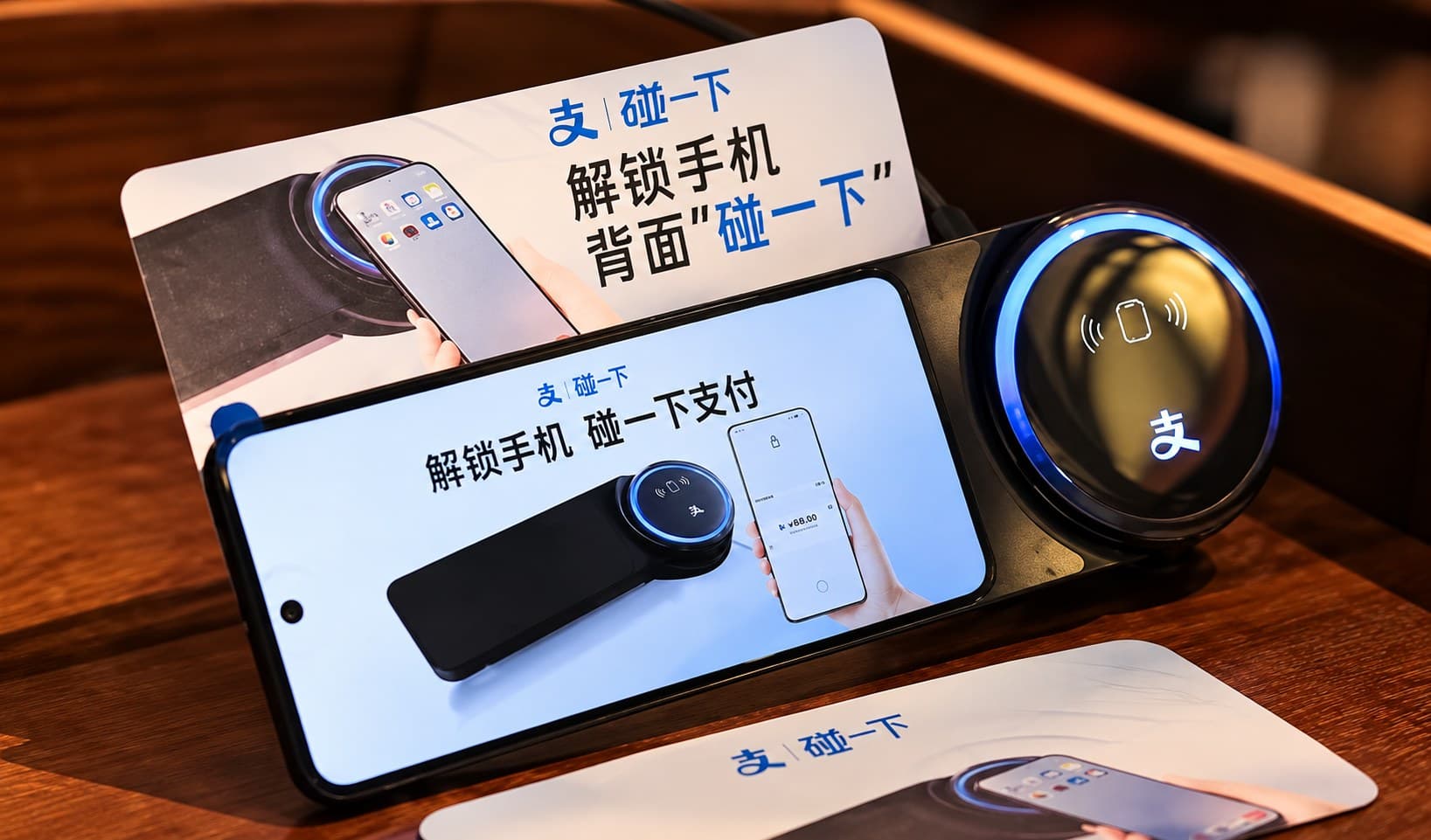
- Download Alipay and link an international Visa or Mastercard. Complete any identity verification the app requests. For a full walkthrough, see our Alipay for Foreigners 2026 guide. WeChat Pay is optional but useful; every business contact will expect you to be on WeChat.
- Set a profile photo in WeChat before you arrive. A blank silhouette reads as unprofessional in Chinese business culture, much like an empty LinkedIn profile would in the West (Culture Trip, “Chinese Business Dinner Etiquette,” 2024).
Which area should I stay in for a Shanghai business trip?
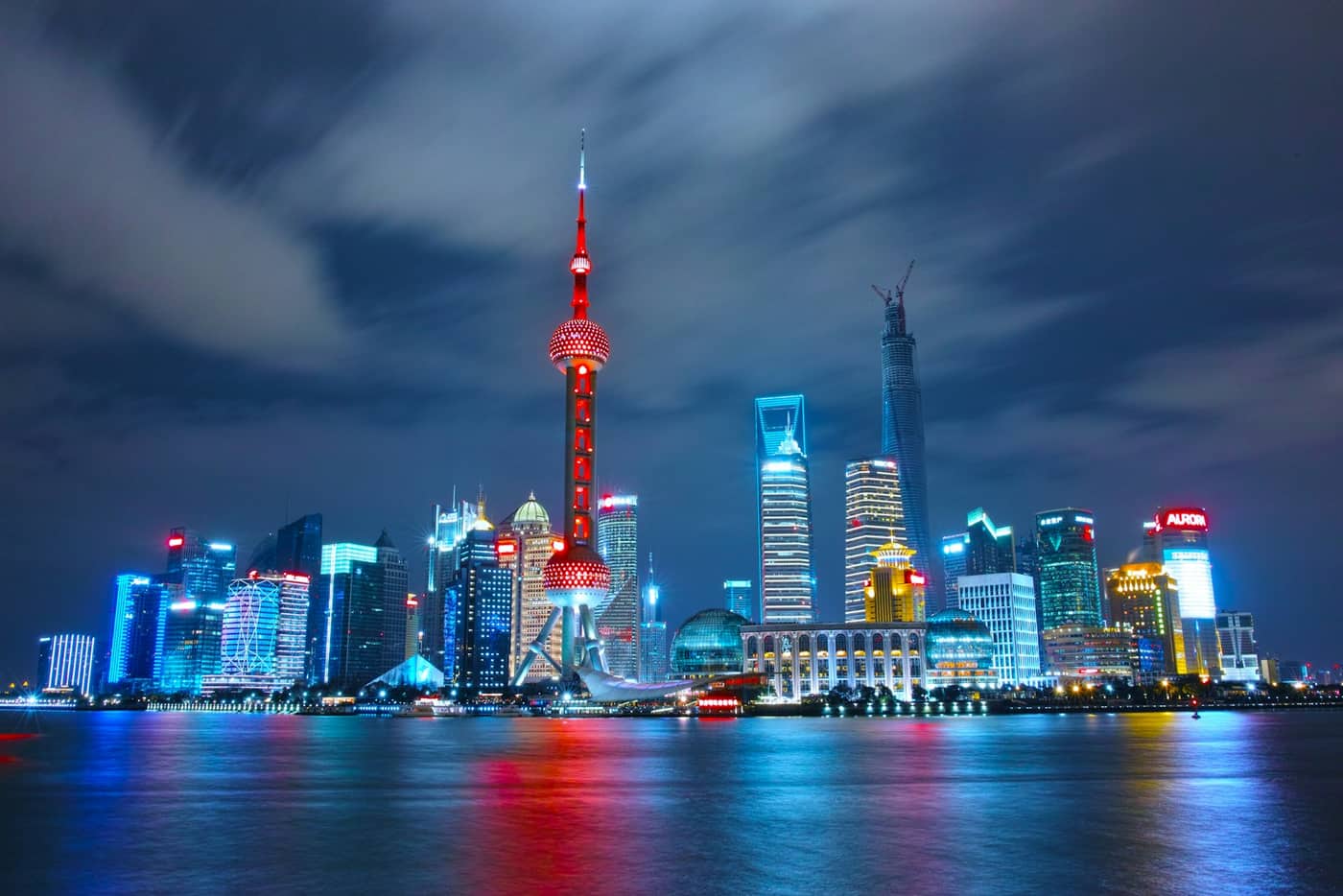
Stay in Lujiazui for finance, Jing’an for tech and consulting, the Bund area for luxury and client‑facing roles, and Hongqiao if your calendar is full of high‑speed train day trips. Pick based on where your core meetings happen.
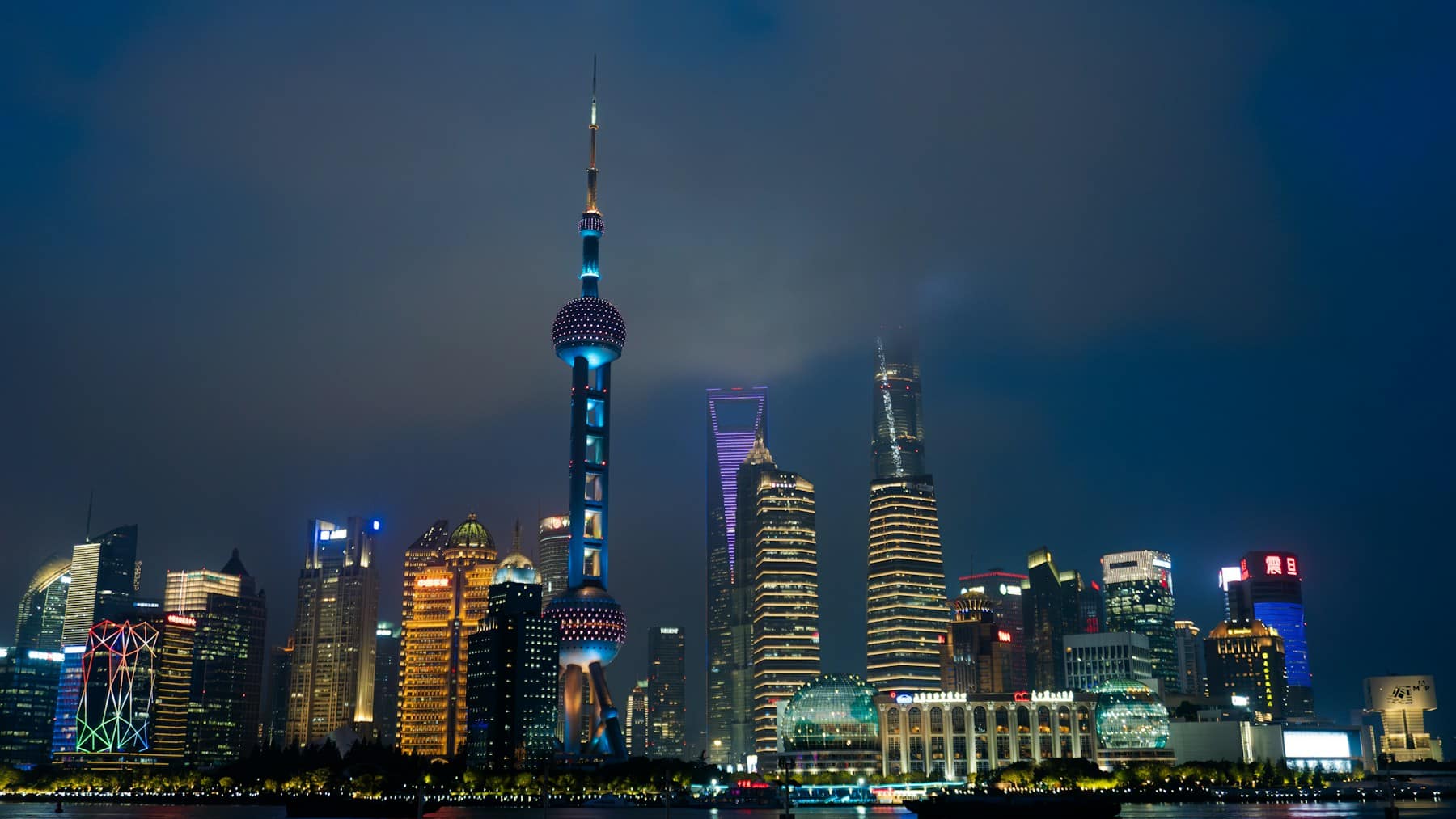
Lujiazui (Pudong) — financial services. BOCOM, ICBC, Citibank and most international financial institutions cluster here. The Four Seasons Pudong, Park Hyatt Shanghai, and IHG Regent are the standard business hotels. The trade‑off: Lujiazui is across the river from the leisure neighborhoods. Airport access from PVG is efficient via the Maglev and Line 2. The Park Hyatt and Four Seasons have the most consistently reliable in‑room internet among the major chains, according to Business Traveller’s 2025 Shanghai hotel review.
Jing’an (Jìng’ān) — tech, consulting, fashion. The Jing’an Kerry Centre and surrounding towers house tech firms, consultancies, and fashion labels. Metro Lines 2 and 7 cross at Jing’an Temple station. The PuLi Hotel and Four Seasons Jing’an are the booking‑standard choices. The main win: Wuyuan Road and Julu Road are a short walk away for dinner without another car ride.
Huangpu / Bund — luxury, hospitality, client‑facing roles. The Bund Finance Centre and Rockbund attract luxury brands and hospitality headquarters. The Waldorf Astoria and The Peninsula serve that tier. A rooftop drink and Bund walk at 7 p.m. on a weeknight is a zero‑transport decompression.
Hongqiao — high‑speed train day trips. If your calendar includes Suzhou, Hangzhou, or Nanjing, staying near the Hongqiao Transport Hub is the efficiency play. The airport and HSR station are in the same complex, so the walk from hotel to gate is short. Marriott Hotel City Centre is the go‑to.
How do I get to meetings and handle client dinners in Shanghai?
Use Didi for point‑to‑point travel and Alipay for client dinners; if the Chinese host chose the restaurant, they pay. The Didi app runs in English, shows the fare and driver plate before you confirm, and lets you pay via Alipay or a linked card. Keep a screenshot of your hotel’s address in Chinese characters — not pinyin — so the driver can punch it into their navigation app. At rush hour the Lujiazui tunnel is the bottleneck.
If you are the host at a business dinner, Alipay covers nearly every restaurant. If the Chinese host chose the restaurant, they pay. Fighting for the bill creates social friction, not face.
Alcohol: refusing is accepted. A common framing is “I have an early start” or “I’m driving.” A polite sip and setting the glass down also works. Baijiu will likely be offered — one sip with a compliment satisfies the ritual. Declining graciously with “I have a sensitive stomach” is fine and not read as discourteous. WeChat exchange on first meeting is standard; it is the de facto professional contact layer, not a casual gesture (Culture Trip, 2024).
For conference calls, check your call setup on hotel Wi‑Fi and on your roaming or eSIM data the night before, so a phone hotspot is ready if the Wi‑Fi drops. Should you ever misplace a passport, our Lost Passport in China guide has the emergency numbers and step‑by‑step actions.
Can I take day‑trip meetings by high‑speed train from Shanghai?
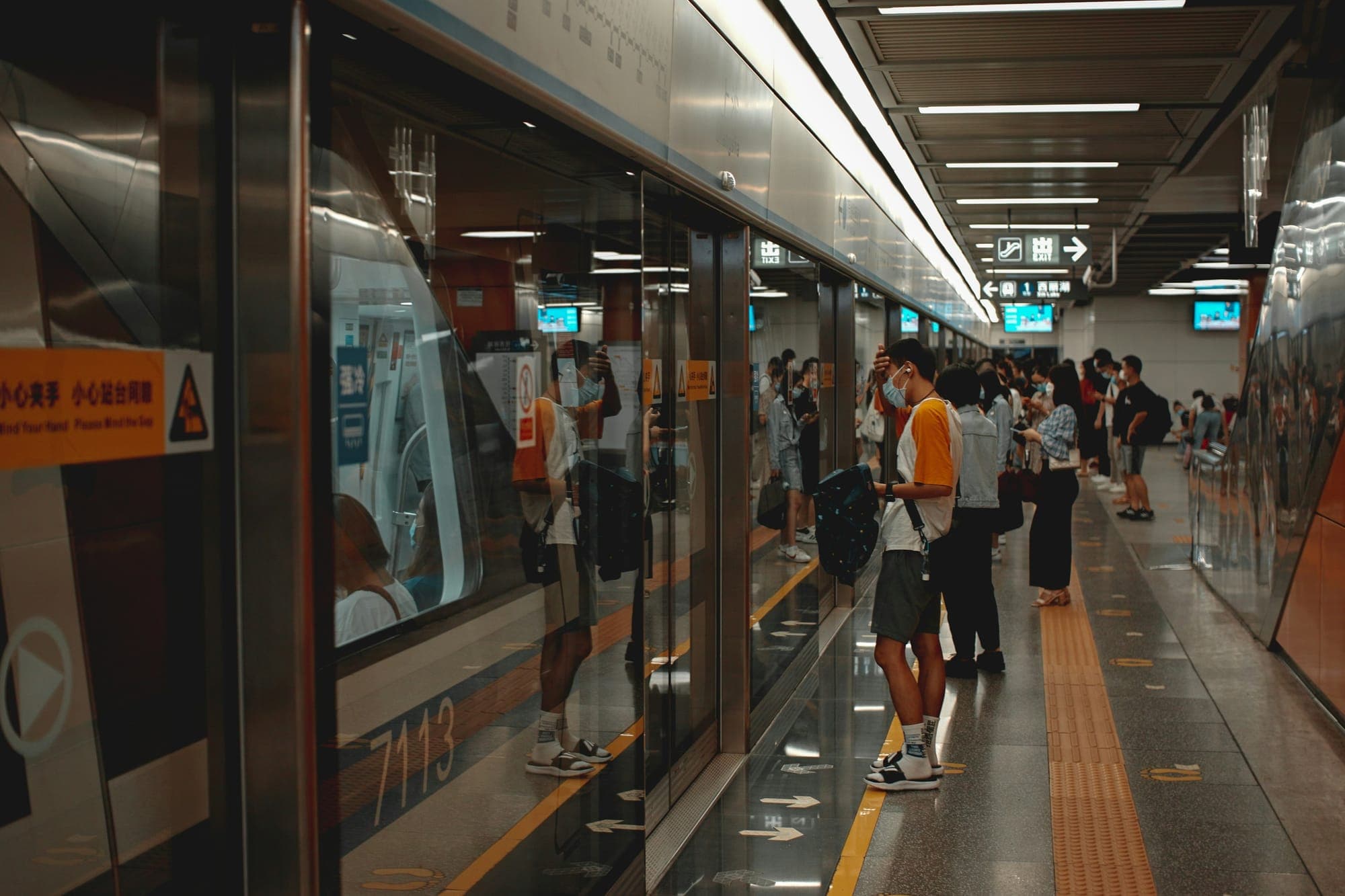
Yes — the HSR network makes several nearby cities viable for same‑day round trips without an overnight. Frank Zhang, LocalKey Travel’s founder based in Suzhou, routinely takes the 25‑minute train to Shanghai for client meetings and returns before dinner. He notes that many business travelers add a Suzhou factory visit or a mid‑day client lunch without feeling rushed.
| Destination | Duration from Shanghai Hongqiao | Source |
|---|---|---|
| Suzhou | 25 minutes | Trip.com, Shanghai–Suzhou timetable, accessed 2026 |
| Hangzhou | 34 minutes | Trip.com, Shanghai–Hangzhou timetable, accessed 2026 |
| Nanjing | 59 minutes | Trip.com, Shanghai–Nanjing timetable, accessed 2026 |
| Beijing | 4 hours 24 minutes | Trip.com, Shanghai–Beijing timetable, accessed 2026 |
Book through Trip.com (English interface, international cards accepted) or the official 12306 app. Business class (shāngwù zuò) on main corridors costs well above second class and gives you a wide single seat with power at the seat and a quieter carriage. For a client meeting where showing up fresh matters, it is a worthwhile upgrade.
If your travel qualifies for visa‑free entry, verify the rules in our 240‑Hour Visa‑Free China Guide, which covers the policy expansion confirmed by the National Immigration Administration in December 2024.
Where can I decompress after work without a long trip across town?
Stay in your own district: Jing’an Park and Speak Low in Jing’an, the riverfront promenade or Cloud 9 in Lujiazui, and Sir Elly’s at The Peninsula on the Bund. Here are the options our clients rate as efficient and relaxing:
Jing’an — 30‑minute reset. Jing’an Park wraps around Jing’an Temple; a walking circuit, a morning tai chi crowd (visible even in early evening), and a coffee cart sit close to the Kerry Centre. Speak Low, a reservation‑needed cocktail bar behind a speakeasy shopfront, is the go‑to for a client drink that doesn’t feel like a hotel lobby bar.
Lujiazui — skyline without the effort. On weekday evenings the riverfront promenade is lighter on crowds, and the skyline is fully lit. Cloud 9 at the Grand Hyatt gives a similarly no‑plan‑required view.
Huangpu / Bund — rooftop decompression. Sir Elly’s at The Peninsula sits high enough for a clean view, quiet enough to continue a conversation from a meeting, and less crowded than most Bund cocktail spots.
Client dinner venues worth their bill. El Willy (Spanish‑Chinese, Bund side) handles mixed‑palate groups well. Hakkasan in Pudong is an internationally recognized brand with skyline views — zero cultural translation needed for a Western guest.
Quick‑reference checklist for your Shanghai business arrival
| Need | Action | Source |
|---|---|---|
| Pay for lunch or a taxi | Open Alipay, scan QR code | Alipay Help Center, foreign user guide, 2026 |
| Stay online | International roaming or a foreign eSIM data plan; unlicensed VPN use is not permitted | UK FCDO China travel advice, updated 27 Aug 2026 |
| Get to a meeting | Didi app; fare and driver plate shown before you confirm | Didi Chuxing, official international site |
| Give address to driver | Show screenshot of hotel name in Chinese characters | LocalKey field notes, 2026 |
| Book a last‑minute train | Trip.com or 12306 with registered account | Trip.com, Shanghai–Suzhou route example |
| Emergency medical | 120 (ambulance); Parkway Health or Jiahui International Hospital | Shanghai Municipal Health Commission, 2026 |
| Lost passport procedures | Follow step‑by‑step guide for embassy contact and police report | Lost Passport in China Guide |
Related local guides: If this is your first China work trip, start with our First‑Time China Visitor Checklist to cover the non‑negotiable arrival steps, then set up payments with Alipay for Foreigners 2026. For long‑stay or visa questions around business layovers, bookmark the 240‑Hour Visa‑Free China Guide.