No. You do not need UnionPay as your main wallet in China in 2026. Set up Alipay first, then WeChat Pay. A chip UnionPay, Visa, or Mastercard will fail at many street stalls and metro gates that only take a QR. UnionPay is a useful backup for hotels and some larger shops, not a replacement. Keep the plastic card for the front desk and the ATM. Do the two apps at home.
What is UnionPay, and can foreigners use it?
UnionPay is China's domestic bank-card network. It is not a super app. It is not Alipay. If you already have a UnionPay-branded card from a bank at home, you can try it at a terminal that shows the UnionPay logo.
Official visitor guidance lists three practical options: mobile payment, bank cards, and cash. It names UnionPay alongside Alipay and WeChat Pay as a mobile-payment rail, and it says UnionPay cards can be taken at merchants' POS terminals (Gov.cn payment service guide).
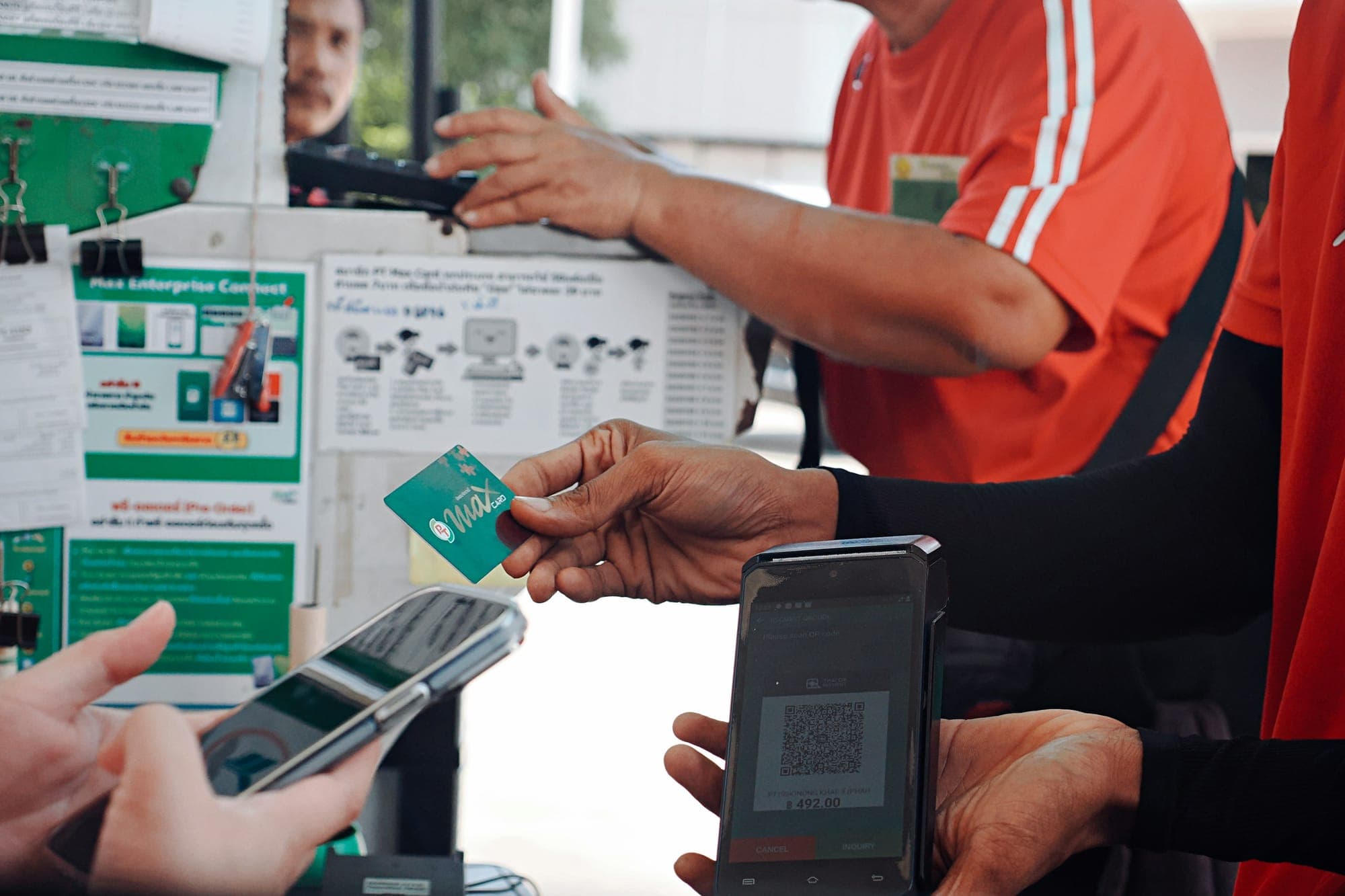
That official list does not mean a plastic card will buy breakfast. Most counters we use in Suzhou put out a QR sticker, not a POS. The card is the backup. The wallets are the trip.
A home UnionPay card, a tourist prepaid, or a UnionPay tap / QR still does not replace Alipay or WeChat Pay.
Foreign-issued UnionPay versus a tourist prepaid card
Two different things get sold under the same logo.
A foreign-issued UnionPay card is a debit or credit card your home bank already put UnionPay on. If you have one, bring it. It can chip or tap at a hotel desk, a department store, or an ATM that shows the logo. UnionPay International says mainland ATMs accept UnionPay cards, including cards issued outside the mainland, and it publishes a per-withdrawal cash limit for those overseas-issued cards (Explore China with UnionPay). Check the machine. Some ATMs add their own cap.
A tourist prepaid UnionPay card is plastic or a loadable wallet you buy for the trip. Some airports sell them. UnionPay describes prepaid cards as a product category for issuers. We will not name a bank, a fee, or an official tourist SKU here, because those change by airport and by week. Treat a prepaid card as optional plastic, not as your plan.
If you do not already hold a UnionPay card at home, do not fly early to hunt one. Finish the two apps first. The checklist is how first-time visitors should set up Alipay and WeChat Pay.
Where a chip card still works
Chip UnionPay, Visa, and Mastercard acceptance is uneven. The gap is simple: a stall with only a QR has no terminal to dip the card.
Where a chip still helps:
- Hotels. Official guidance says three-star and above tourist hotels should take domestic and overseas bank cards. This is the front desk, not a minibar QR.
- Larger shops and department stores. Look for the UnionPay, Visa, or Mastercard logo on the counter. If there is no logo and only a QR, open the app.
- Some tourist attractions. The same circular says 4A and 5A sites should keep card acceptance. A ticket window is more likely to have a POS than a snack cart outside the gate.
- ATMs. A UnionPay card is the cleanest overseas plastic for cash. Visa and Mastercard ATMs exist; they are not every machine.
We will not tell you that taxis take a chip. Most taxis and DiDi rides want a QR. Street stalls want a QR. Convenience stores want a QR. If the cashier points at a phone, do not argue with a card.
Shanghai's visitor FAQ is written around linking a foreign card to Alipay, not around waving plastic at every counter (Shanghai Government Alipay FAQ). That is the practical order.
QuickPass versus QR
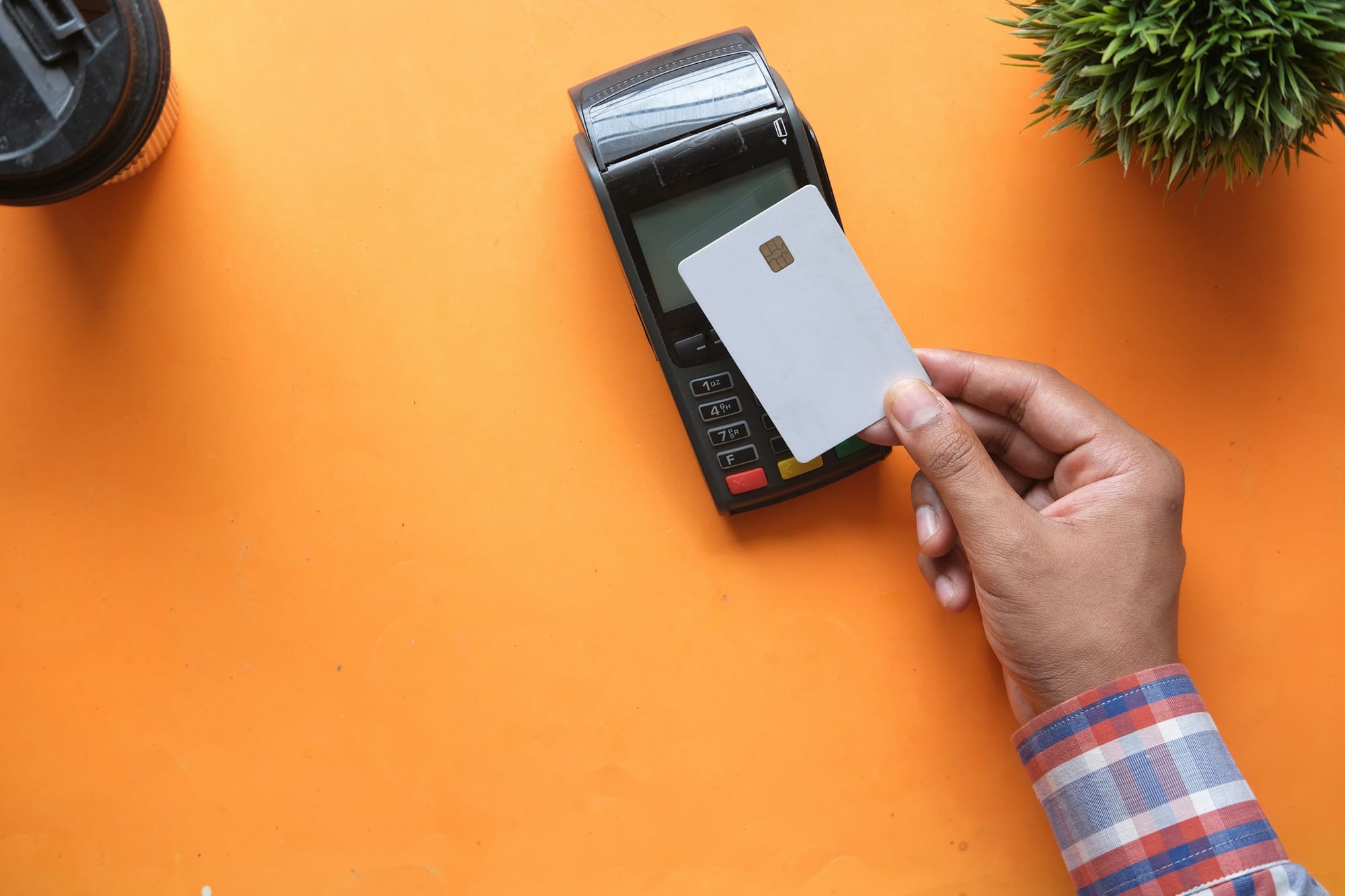
QuickPass is UnionPay's contactless tap: the chip card or a phone against a POS. UnionPay lists magnetic cards, chip cards, and QuickPass as ways to pay on the mainland, plus a separate UnionPay QR path.
Alipay and WeChat QR are what the stall printed on paper and taped to the glass. Blue is Alipay. Green is WeChat. You scan theirs, or they scan yours.
These are not the same rail. A QuickPass tap needs a terminal. A street stall often has none. A metro gate in a big city wants a ride code inside Alipay or WeChat, not a foreign chip tap. If you only packed a contactless card, you will look capable at the hotel and stuck at the noodle window.
Do not bind a new UnionPay QR product on landing day unless you already know that wallet. For which app to finish first, see Alipay vs WeChat Pay.
Why metro and street still want Alipay
Urban China is QR-first. The ride code, the breakfast stall, the pharmacy, the bottled water at 11pm — those are scans. Alipay is usually the cleaner first wallet for a foreigner. WeChat Pay is the backup when the sticker is only green.
A chip card does not open those QRs. UnionPay on a POS does not either. That is why "can foreigners use UnionPay?" is the wrong first question. The first question is whether Alipay is live on your phone.
We pay breakfast and the metro on Alipay. We keep WeChat Pay for the stall that will not take blue. The UnionPay card stays in the same pocket as the passport: hotel deposit, a department-store till, cash from an ATM if the phone dies.
Cash is still the last layer. Not an envelope for the whole trip. Enough for a stall that rejects the foreign card or a dead battery.
When to skip a tourist UnionPay card
Skip the airport prepaid kiosk if all of this is true:
- Alipay is verified and a Visa or Mastercard is visible in the wallet.
- WeChat Pay is approved, or you have started the real-name review so the clock is running.
- You have a second card from a different bank, plus a little cash.
Buy or load a tourist UnionPay card only if you have a specific reason: your home cards are already failing at hotel desks, you want ATM cash without hunting a Visa machine, or you already hold a UnionPay card and know how it behaves. Do not buy one because a display said it replaces Alipay. It does not.
We will not quote a card fee or a load bonus. Those numbers belong to the issuer in front of you, not to this page.
If you only have one evening before the flight, spend it on Alipay, then WeChat Pay. Leave the plastic as backup. That is the whole answer to "do I need UnionPay too?"
Ready to travel, not just tap
UnionPay is the backup card. Alipay and WeChat Pay are the daily wallets. The trip still needs a route that fits your dates, hotels and trains booked, and someone on WhatsApp or WeChat if a booking slips.
LocalKey is customized independent travel — the independent-travel brand of Guangdong Xingcheng International Travel Agency (est. 2009). Two ways to travel, both private: Independent, with bookings, an app roadbook, and WhatsApp or WeChat support; or Private Guided, with private guides, a driver and a car across the trip. Not a group tour.
Send a travel enquiry when the wallets are decided and you want the rest of the trip written down.