LocalKey arranges bookings and support; all medical care is provided by the hospital. This page is general travel information, not medical advice. Decisions about treatment are between you and your doctor.
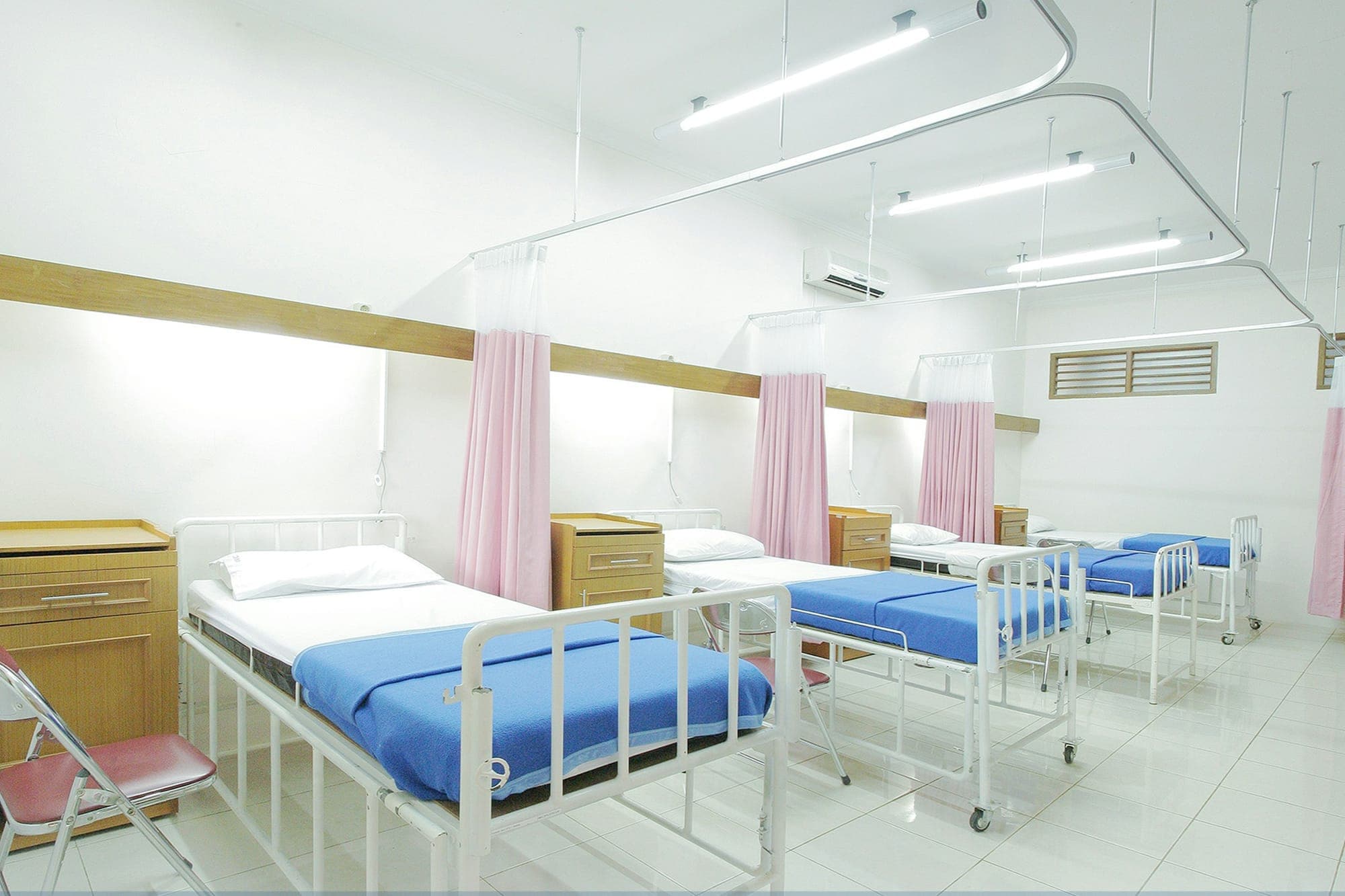
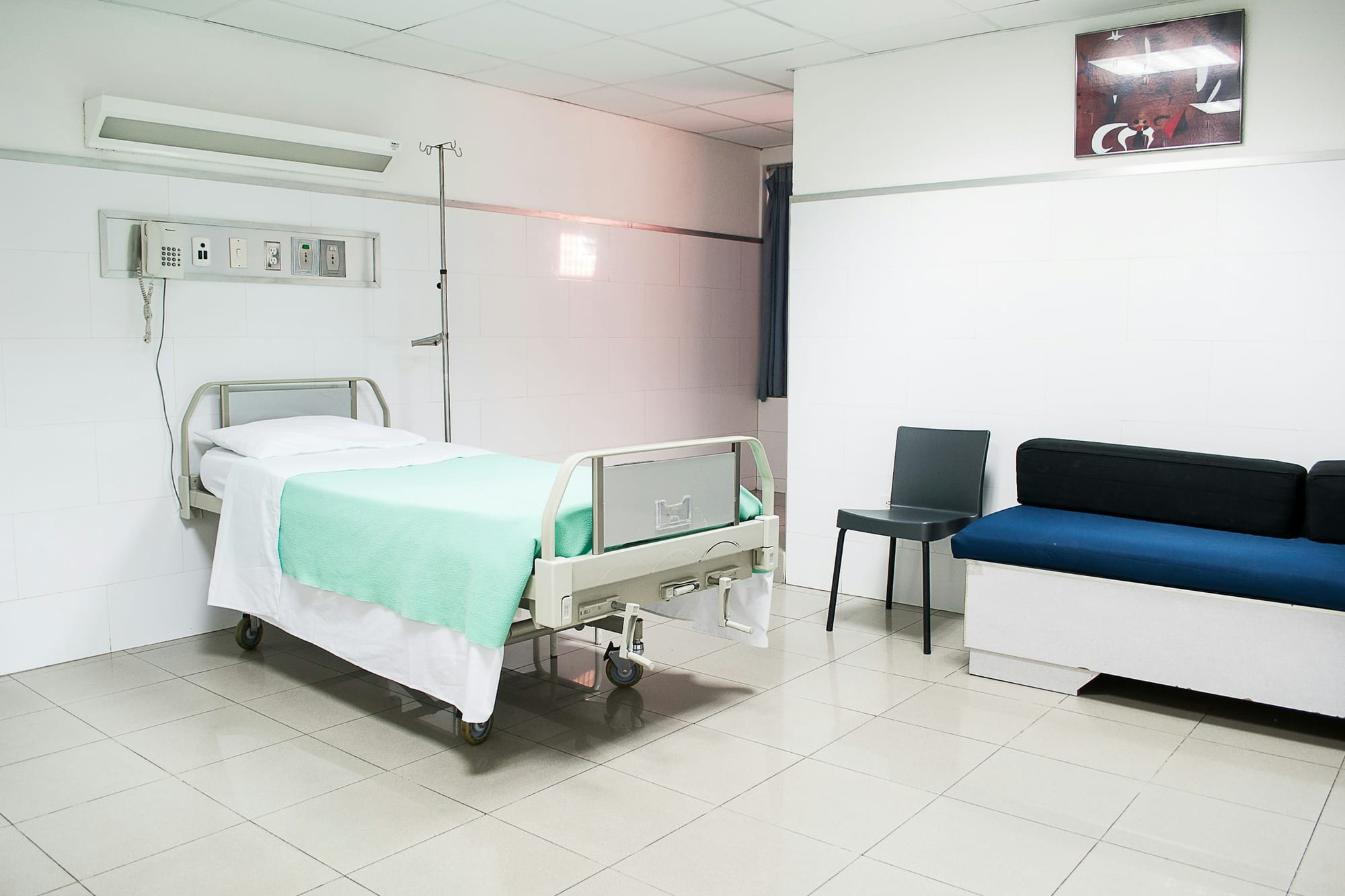
To see a doctor in China, start at a hospital's international department, whether you have a booked appointment or fell ill on the trip, and dial 120 if you need an ambulance. Some travellers plan a trip around a booked appointment: a consultation, a second opinion, dental work or a planned procedure; others need care the same day. International departments in cities such as Shanghai and Beijing are the easiest place to start: English at the desk, appointments for foreign patients, and a registration process built around a passport.
We work only with public hospitals and with quality private hospitals that hold a valid medical institution practising licence. LocalKey books appointments through their international departments. We plan the trip, book the doctor and time slot, liaise between you and the hospital, and can send an appointment companion with you to the appointment. The hospital provides all of the medical care.
A booked appointment: how it works
A planned visit is usually fast to arrange once your dates are fixed.
- Tell us what the appointment is for in your own words, the city, your dates, and any hospital or department you have already found. We do not recommend doctors, tests or treatments; we pass your request to the hospital.
- We contact the international department. The hospital tells us which department and doctor can see you, the available dates, what the first visit involves in its own words, and its price.
- You confirm the slot. We forward the hospital's quote and instructions as written, including any records it wants to see before the visit.
- We plan the trip around it: hotel near the hospital, transfers, trains, and buffer days if the hospital says you may need a follow-up visit.
- On the day, a LocalKey companion can go with you to help with registration, queues, payment points and finding each department. The companion does not interpret medical decisions for you and does not consent on your behalf; the hospital uses its own interpreter for medical discussion where needed.
- Afterwards, we pass on the hospital's messages about reports, prescriptions or follow-up appointments, and change the travel plan if the hospital asks you to come back.
If the hospital's doctor suggests a procedure, that decision is between you and the doctor. We then help with the logistics the hospital describes: dates, recovery days in the travel plan in line with the hospital's own instructions, and getting your records home.
Sick on a trip: what to do
If you get a fever, a bad stomach or a sprain while travelling, you do not need to rebuild the itinerary.
- Dial 120 if you cannot walk, cannot speak clearly, or need an ambulance now. Save the emergency contacts list before you fly. The ambulance crew chooses the hospital.
- If you can walk and talk, an international department is usually the easiest first stop. Travelling with LocalKey, message your consultant on WhatsApp or WeChat: we call the hospital, check it can see you, arrange a car, and can send a companion if one is available in that city.
- A public hospital emergency department will also see you; the queue and the language are different from an international department.
What to bring
- Your passport. The hospital registers you with it; you do not need a Chinese ID.
- Your insurance details and the insurer's emergency number. A photo on your phone is enough.
- A card that works, plus Alipay and WeChat Pay if you set them up at home.
- A short list of the medicines you take and any recent reports, if you have them. Phone photos are usually accepted.
- The hotel's address card in Chinese, if you fell ill on a trip. It helps a taxi and it helps 120.
Before you go, see our China safety overview for the CDC's vaccine advice and the CDC and FCDO warnings on tap water.
Paying and insurance
Plan to pay the hospital first. International departments usually take international cards and many take Alipay; public hospitals more often want payment before or as you go. The hospital sets its own prices; for a booked appointment we pass on its quote in writing before you confirm.
Ask your insurer whether a visit in China is covered and whether it wants a guarantee of payment in advance or a claim afterwards. Planned treatment is often excluded from standard travel insurance, so check before you book. Keep every receipt and the official invoice (fapiao) for your claim.
Visa-free entry for a trip with an appointment
Many travellers can use visa-free entry. The National Immigration Administration's list of countries covered by unilateral visa exemption says ordinary passport holders from the listed countries may enter visa-free "for business, tourism, visits to relatives and friends, exchange visits, or transit", for stays of up to 30 days. LocalKey's position is that a trip with a booked hospital appointment can use this entry. Check the list for your passport and plan the stay, including any follow-up visit, within 30 days.
If your passport is not on that list, 240-hour visa-free transit may fit: it needs a confirmed onward ticket to a third country or region and keeps you inside the permitted areas, which include Shanghai and Beijing. Falling ill does not extend either stay. See the 30-day visa-free guide for the unilateral list.
Checkups and dental visits
For a booked health checkup, see the checkup section of Medical travel to China 2026. Dental appointments follow the same booking process as above: we book the international department's dental clinic, plan the trip around the visits the hospital describes, and pass messages between you and the hospital.
What LocalKey does, and what the hospital does
LocalKey is a licensed travel agency (Guangdong Xingcheng International Travel Agency Co., Ltd., founded 2009). For a trip that includes a hospital appointment we:
- arrange the trip: hotel, trains, transfers, and buffer days;
- book the doctor and time slot with the hospital's international department;
- liaise between you and the hospital before and after the visit;
- accompany you to the appointment if you want an appointment companion.
The hospital provides all medical care: diagnosis, treatment decisions and results. We do not give medical advice or recommend treatments, and we do not make promises about medical outcomes.
Both ways of travelling with us are private, and each trip is planned, booked and backed: Independent, with bookings, an app roadbook and WhatsApp or WeChat support; or Private Guided, with a private guide, a driver and a car.
Plan the trip around the appointment
Tell us the city, your dates, and what you want to see a doctor about. We will ask the hospital for its options and come back with a trip plan around the appointment.