TL;DR: Suzhou rewards slow travel beyond the headline gardens: Shantang Street at dawn, Pingjiang Road with restraint, the Suzhou Museum, silk history, Tongli, Guanqian side alleys, and a careful Shanghai-Suzhou rail plan. Start early, avoid midday crowd compression, and treat canals, museums, and old streets as a sequence rather than a checklist.
What should I visit in Suzhou beyond the big gardens?
Start with Shantang Street at dawn, Pingjiang Road before lunch, and the Suzhou Museum’s I.M. Pei wing. Add the Silk Museum or Tongli if you want more context, but avoid stacking every old street into one rushed afternoon.
Is Tongli worth the extra travel time from Suzhou?
Tongli is worth it if you want a slower water-town day and can spare the transfer time. It is not the right choice if you only have a half day; in that case, stay in central Suzhou and pair Pingjiang Road with Suzhou Museum.
How should I get from Shanghai to Suzhou?
Use high-speed rail from Shanghai Hongqiao to Suzhou or Suzhou North, then choose your station based on the first stop of the day. The ride is short, but station choice and last-mile transport decide whether the day feels calm or fragmented.
| Stop | Best use | Planning note | Source |
|---|---|---|---|
| Suzhou Museum | Design and cultural context | Book or arrive early when required | Suzhou Museum, https://www.szmuseum.com |
| Pingjiang Road | Canal street walk | Better before peak visitor flow | Suzhou tourism context, https://www.travelchinaguide.com/attraction/jiangsu/suzhou/ |
| Tongli | Water-town day trip | Save for a slower schedule | China Culture, https://en.chinaculture.org/focus/focus/2010expo_en/2010-04/21/content_377536.htm |
| Shanghai-Suzhou rail | Fast access | Pick the right Suzhou station | China Railway, https://www.12306.cn |
Frank Zhang, LocalKey Travel's founder based in Suzhou, sees the city as a rhythm problem: the best day starts early, keeps walking distances realistic, and leaves one canal-side pause with no agenda. That is usually where Suzhou feels different from Shanghai, not inside an overloaded checklist.
If you are coming from Shanghai, keep the first Suzhou stop close to the station or book a car for the first transfer. The city is compact on a map but slow when old streets, canals, and museum entries stack up. A better day is two anchor stops, one meal, one unplanned walk, and a return train you are not rushing to catch. Save one quiet tea stop for the moment the canal streets start to blur together.
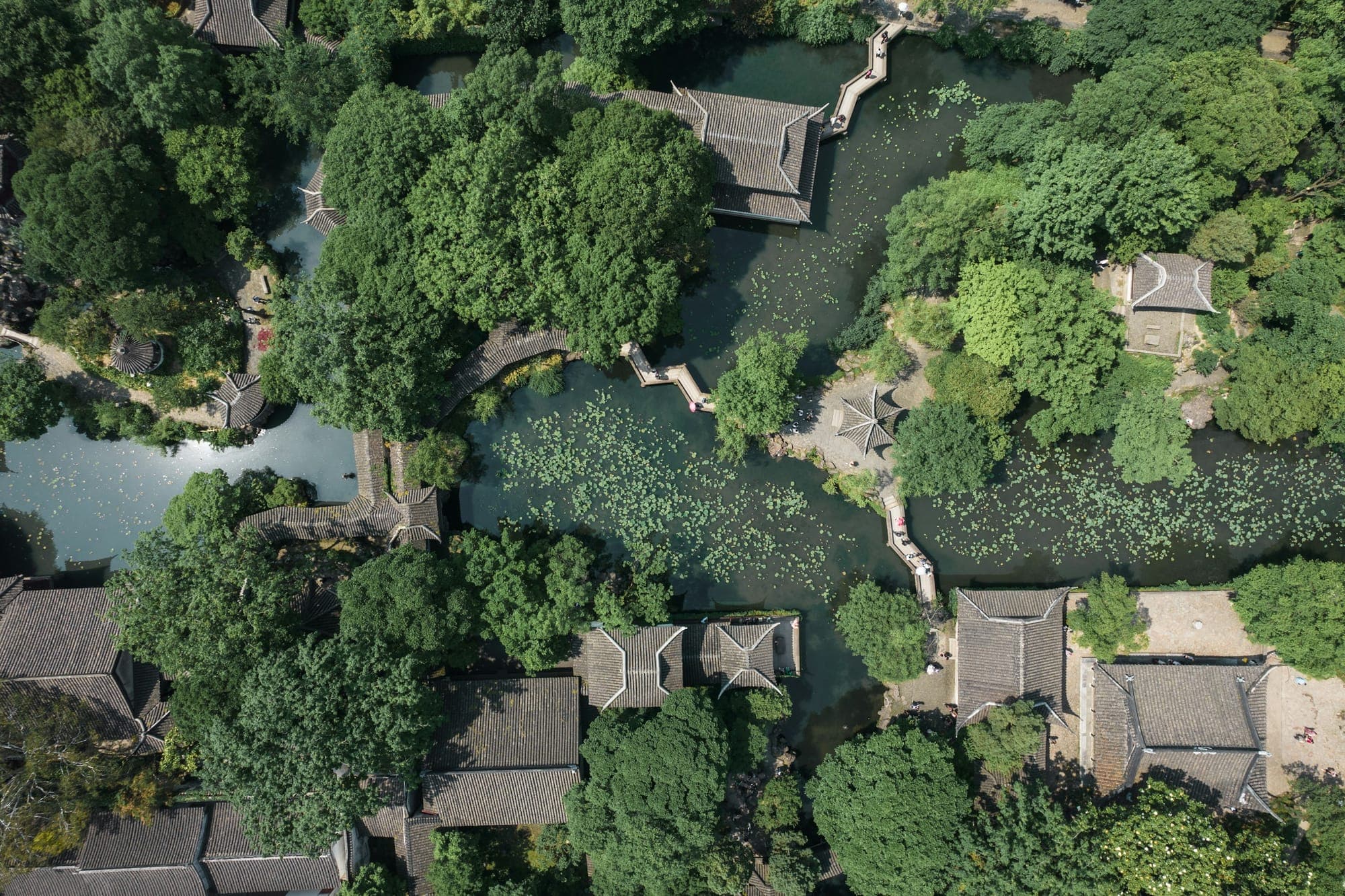
The Humble Administrator's Garden is real. The Lingering Garden is real. They are both UNESCO-listed and genuinely worth your time. This guide is not an argument against seeing them — it is an argument for seeing more.
Suzhou is a 2,500-year-old water city built on 26,000 canals. The nine UNESCO gardens that most Western guides orbit cover a fraction of a percent of that city. Outside the garden walls are whitewashed lane houses, arched stone bridges, artisan workshops that have operated for decades under the same family, and a water town 45 minutes away that most tour groups skip entirely.
You can do this as a day trip from Shanghai — the high-speed rail takes approximately 10 minutes and departs from Hongqiao, with fares from CNY 10. The last trains back to Shanghai run around 10:30–11 PM. If you have an overnight option, take it: mornings in Suzhou before the day-trip crowd arrives are the point of this guide.
Why Suzhou Rewards Slow Travel
The city is not designed for speed. The canal network means distances that look short on a map involve bridges, turns, and dead ends. The neighborhoods that have the most character — Pingjiang, Shantang, the area around Guanqian Street — are structured for walking without a destination.
The best approach: establish a rough direction, walk into the canal streets, stop when something is worth stopping for, and take a taxi back. Suzhou punishes itinerary maximalism and rewards people who are comfortable getting slightly lost.
1. Shantang Street at Dawn
Most visitors go to Pingjiang Road. Shantang Street is longer, less photographed, and more residential. The southern end of Shantang is touristy and can be skipped. The northern two-thirds is canal-side lane housing that feels like working Suzhou rather than preserved Suzhou.
Metro Line 2 to Shantang Jie station, direct.
Arrive by 7 AM. Vendors setting up, laundry hanging over the canal from second-floor windows, delivery tricycles moving through alleys that barely fit them — this is what the popular canal photos try to capture, available here without competition. By 9:30 AM the tourist buses start arriving.
The recommended walk: from the main entrance gate at Guangji Road, west along the north bank, cross Tongji Bridge, east along the south bank back. Approximately 3 km, 1.5 hours at a walking pace. The stone arch bridges over the canal give you the classic vertical composition — water, arch, white wall, sky.
2. Suzhou Silk Museum Basement Workshop
North of the Humble Administrator's Garden. Admission CNY 15.
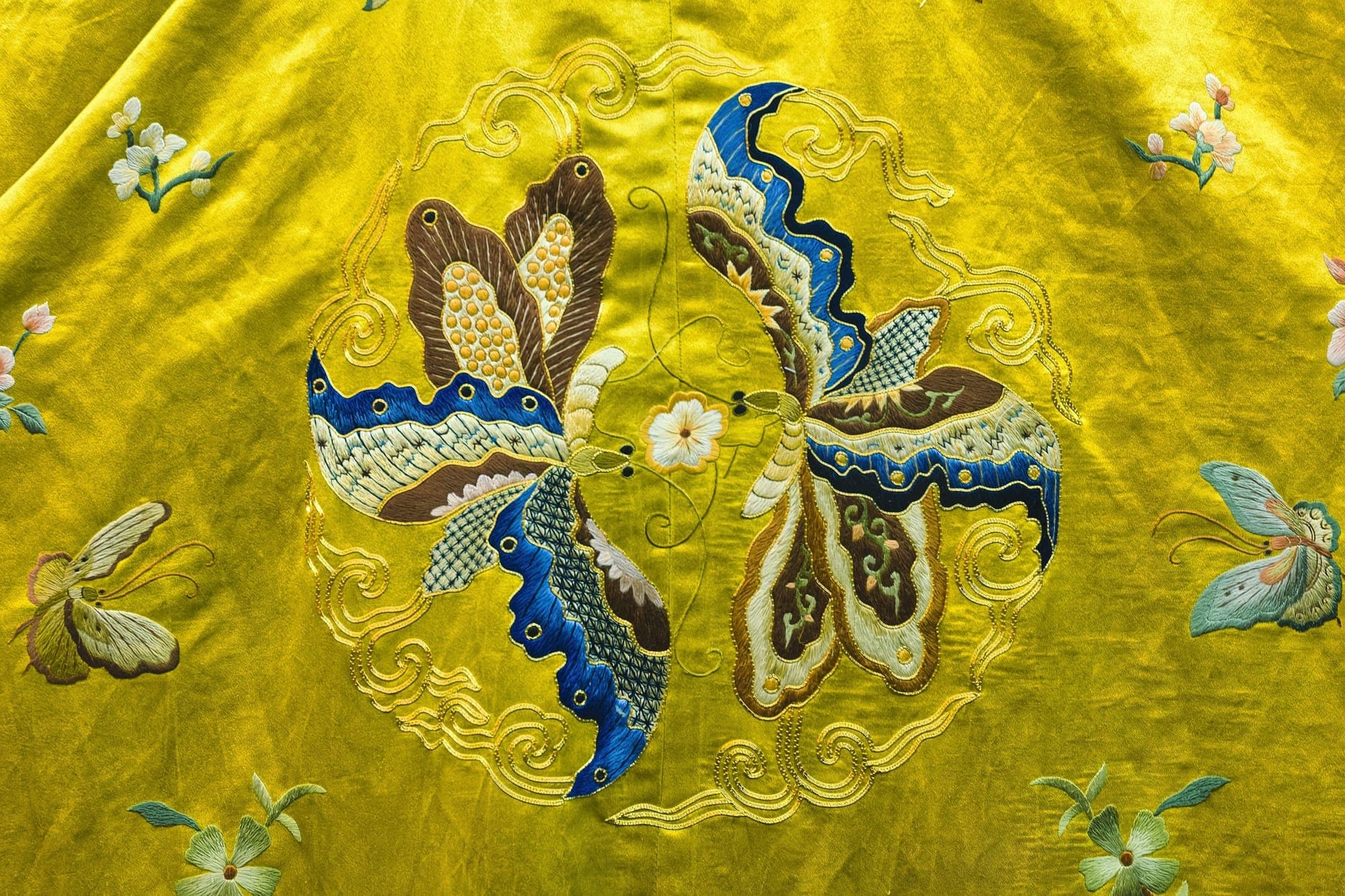
The ground floor is a standard museum: silk road history, dynastic textile development, glass cases. Fine but not the reason to come.
The reason to come is the basement workshop, where artisans operate hand-weaving looms under natural light. The machinery is not replica — it is the working equipment of a craft that has fewer practitioners each decade. Ask staff at the entrance or use a translation app to request access to the hand-drawing loom demonstration. In the right light, with the right guide, this is the most memorable 20 minutes in Suzhou.
Nearby: the Suzhou No. 1 Silk Factory is a factory outlet adjacent to the museum complex, selling directly without tourist-market markup. Verify opening hours on the day before making the walk.
3. Tongli Water Town (~40 min from Suzhou)
Tongli is often passed over in favor of Zhouzhuang, which is more famous and significantly more crowded. Tongli is smaller, receives fewer tour groups, and has longer canal walks within the entry area.
Bus from Suzhou South Coach Station: approximately 45 minutes, CNY 15.
Entry: CNY 100, which includes access to the main sights including Tuisi Garden (the single UNESCO garden inside the town). The walking circuit — main gate → Tuisi Garden → Liu's Villa → Pearl Tower → river pier loop — is approximately 3 km and takes 2.5 hours at a walking pace.
Visit on a weekday. On weekends, Tongli's canal alleys get congested enough that the atmosphere that makes the place worth visiting disappears into crowd management.
4. Humble Administrator's Garden — The Sunrise Strategy
The garden opens at 7:30 AM. Almost nobody arrives before 9 AM.
The 90-minute window from 7:30 to 9:00: The people there are almost entirely local residents doing their morning walk. The lotus ponds, the covered walkways, the rock gardens — all available without crowds, without tour group audio guides competing, without a queue at the pavilion photographed in every guidebook.
Enter from the East Garden entrance rather than the main gate. The flow of visitors inside the garden runs predominantly toward the central and west sections, so entering east puts you swimming in the less busy direction.
Lotus peak bloom: mid-July to mid-August. The lotus ponds in the central garden are the primary visual reason people return to Suzhou in summer.
5. Guanqian Street — The Alleys, Not the Street
Guanqian Street itself is a standard commercial pedestrian zone. The reason to come is the alleys that branch perpendicular to it — these are where locals actually eat.
Suzhou-style noodles: the broth is a deeply reduced stock that some stalls have been maintaining for decades. A bowl costs CNY 15–30 depending on toppings.
Crab paste noodles: seasonal from October through December, when hairy crab season is active. The topping is the processed roe and claw meat of the crab — rich, slightly sweet, without the ceremony of the whole crab experience. Worth the timing if you are in Suzhou in autumn.
6. Pingjiang Road — Done Correctly
Yes, every guide mentions it. That is because it is genuinely one of the better preserved canal streets in Suzhou. The problem is the entry point.
Walk north from Ganjiang East Road, not south from the tourist entrance. Starting from the south entrance puts you in the densest tourist section first, with the commercial souvenir pressure on both sides.
Starting from the north, the street is quieter and more residential at first. The alleys that branch left off the main canal strip lead into courtyard guesthouses and private gardens that have no signs.
Dusk: street lanterns come on around 6:30 PM. A 30-minute window before the evening foot traffic builds is the correct time to photograph the canal with warm artificial light and a reasonable exposure.
Avoid Saturdays and all Chinese national holiday periods at any time of day.
7. Suzhou Museum — I.M. Pei Wing
Free entry.
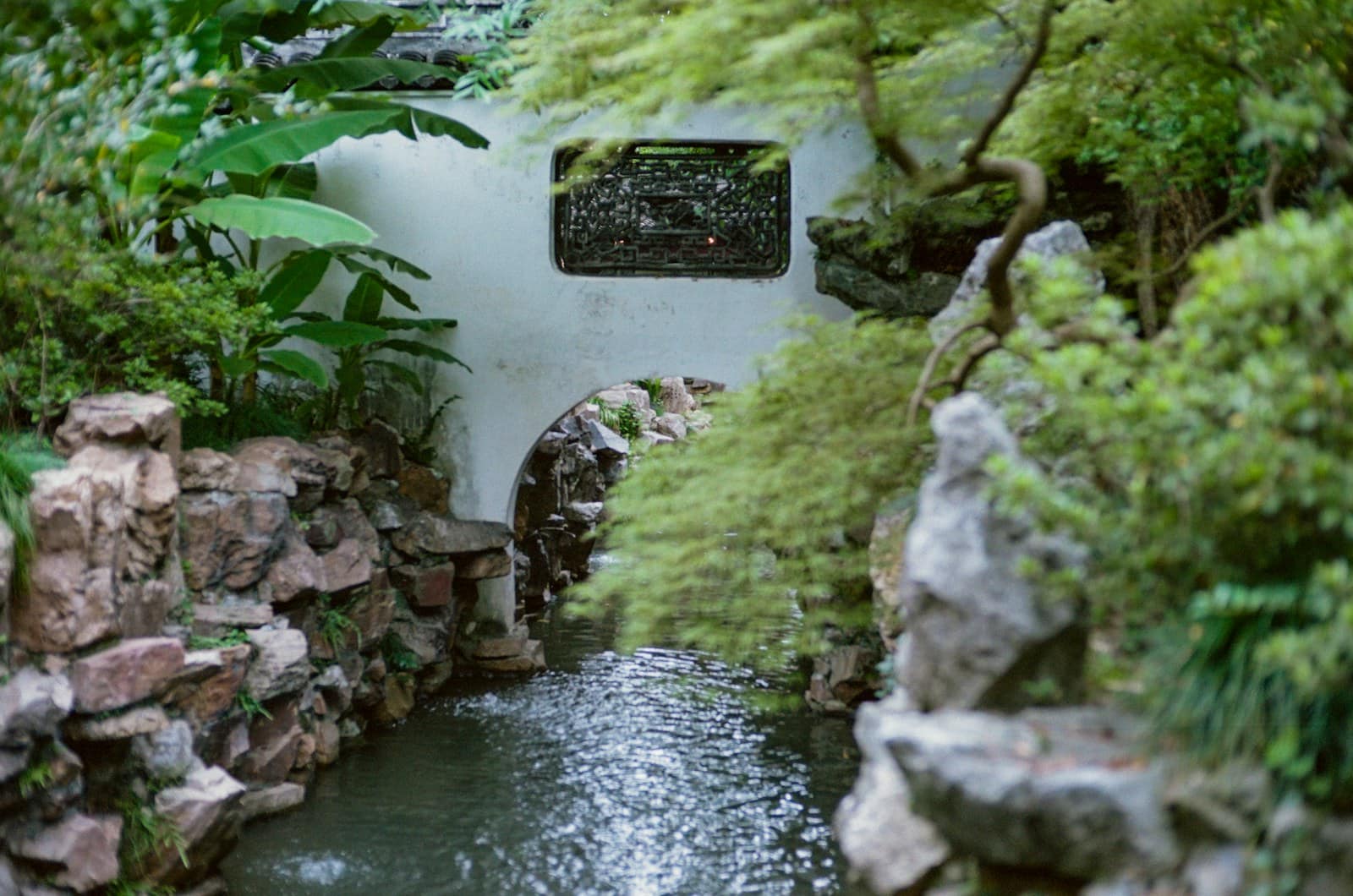
The 2006 I.M. Pei extension to the classical museum complex is a piece of architecture that resolves a difficult brief — a modern building adjacent to an ancient garden — without pretending the tension does not exist. The geometric pond garden between the new and old sections is the composition Pei considered the central design gesture.
If you are rushed, skip it. If you have 45 minutes, the building is worth seeing separately from any interest in the collection inside.
8. Getting to Suzhou From Shanghai
One of the world's highest-frequency rail corridors: approximately 634 trains per day between Shanghai and Suzhou. No booking required for most departures — show up at Hongqiao station and buy a ticket to the next available service.
Fare from CNY 10. Journey from Shanghai Hongqiao to Suzhou station: approximately 25 minutes on G-class trains, 30–35 on D-class.
Important: use Suzhou station (not Suzhou North) for the city center spots in this guide. Suzhou North is served by some high-speed services but sits farther from the canal districts.
Practical Notes
Payment: Alipay and WeChat Pay are universally accepted in the old town areas. Cash use is minimal here.
Language: Suzhounese dialect is spoken locally; Mandarin is understood universally. Hotel and restaurant staff in the tourist areas have some English.
Weather: March through April for peach and plum blossom in the garden parks. October for clear sky and cooler temperatures. July and August are hot and crowded — manageable but the least pleasant window.
Return to Shanghai: The last high-speed services from Suzhou back to Hongqiao typically run until 10:30–11 PM. Check the schedule on the day; do not plan to miss the last train in favor of late dinner.
Related: Shanghai to Suzhou by high-speed rail — the 10-minute door