TL;DR: The Shanghai–Suzhou high-speed rail hop takes as little as 25 minutes from Hongqiao to Suzhou Railway Station, with over 100 daily services. The old city’s gardens and canals lie just 2 km from the station. Book your return ticket before lunch to avoid sold-out evening trains, and pace your day around one or two gardens instead of sprinting through a checklist.
Which train station should I use for the Shanghai to Suzhou day trip?
Leave from Shanghai Hongqiao Railway Station and aim to arrive at Suzhou Railway Station. That pairing keeps the journey short and puts you closest to the old city — roughly 2 km from the station to the Humble Administrator’s Garden and Pingjiang Road. Suzhou North Station does run high-speed services, but it sits about 15 km north of the city center, adding a 30‑minute taxi or DiDi ride each way. In a day trip where every hour counts, that extra transfer is rarely worth it.
Hongqiao itself is one of Asia’s busiest rail hubs, with over 200 platforms and huge security screening lanes. Even a domestic boarding process means passport checks, bag scans, and a gate that might be a 10‑minute walk from the entrance. Arrive 30–45 minutes before departure on your first run, and you won’t be the traveler sprinting through a hall that feels the size of an airport terminal (Wikipedia contributors, “Shanghai Hongqiao railway station,” last updated April 2025).
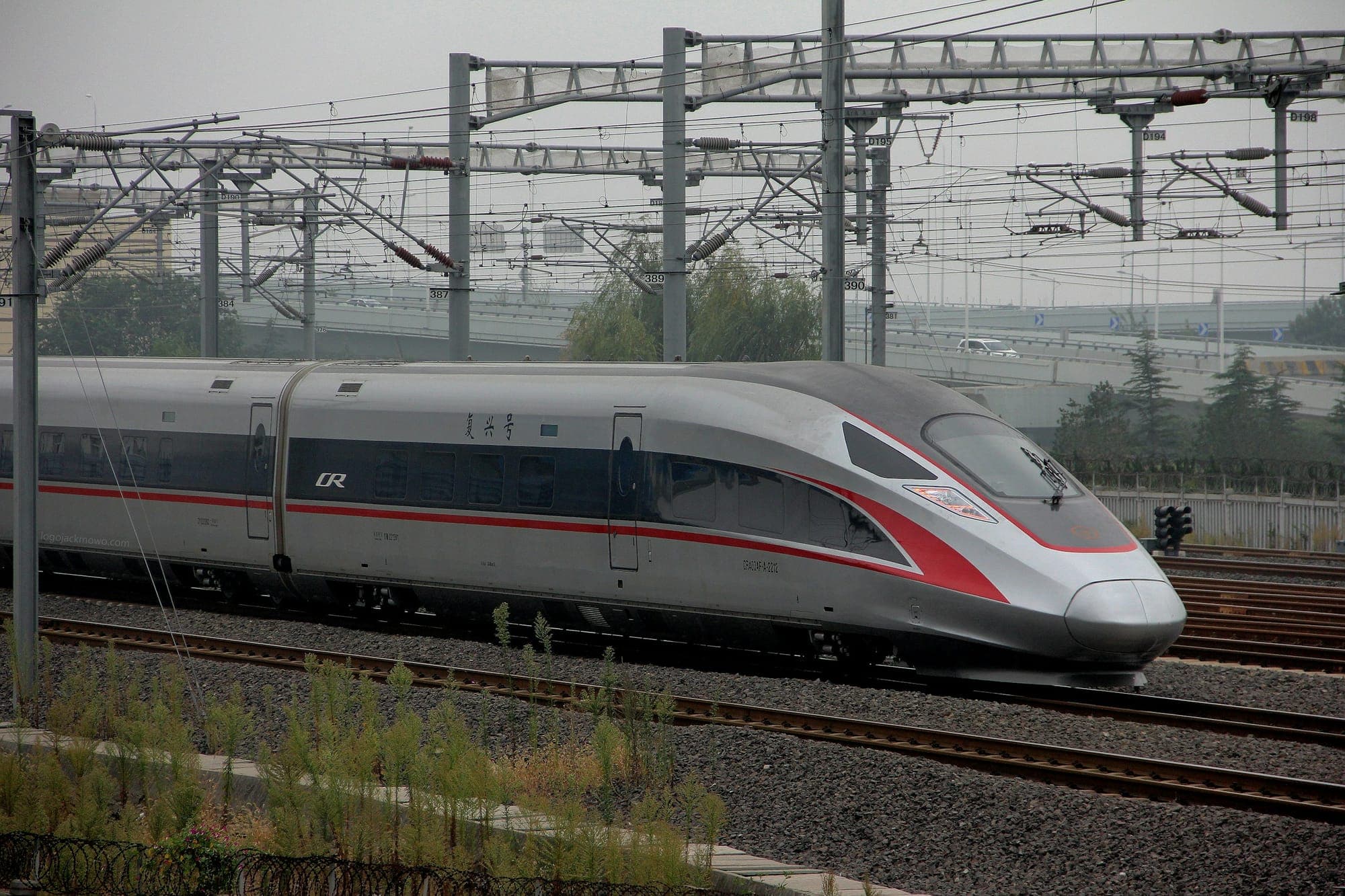
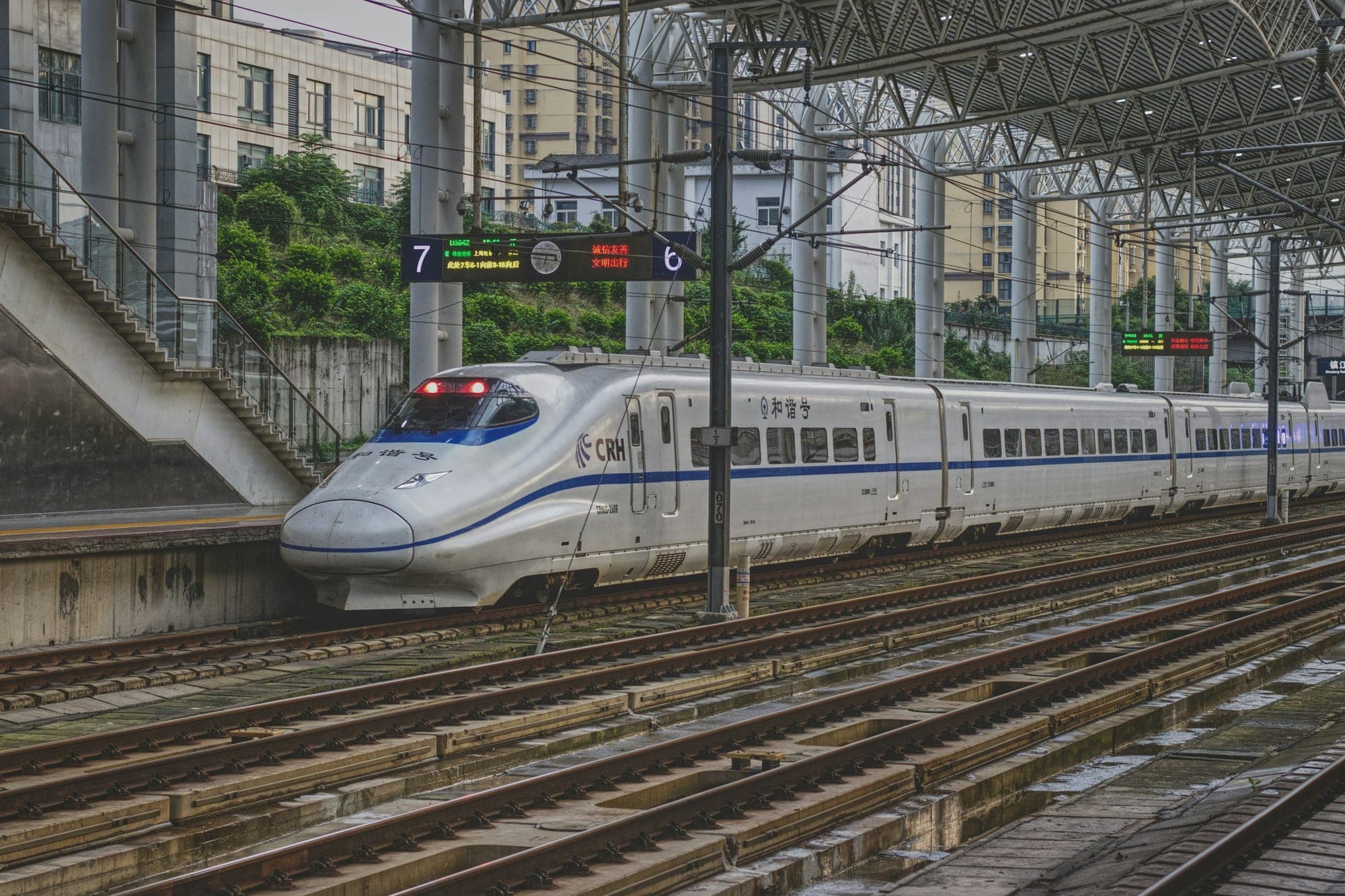
G, D, and C trains all serve the route; on a 25‑minute hop the letter matters less than picking the right station and time. Second class is perfectly comfortable. Business class on a trip this short is usually money better spent on a garden ticket and a pot of tea.
How do I buy high-speed train tickets as a foreigner?
Buying a ticket for this short ride is straightforward if you follow the sequence most of our clients settle on after a few trips. Every booking is tied to the passport you’ll travel with, so start from that document.
- Choose a foreign‑friendly platform first. Trip.com accepts international cards, shows English route details, and lets you hold bookings without a Chinese phone number. It charges a small service markup — call it a calm‑tax. The official Railway 12306 app also supports foreign passports, but the setup requires a real‑name verification step that can be annoying if you’re new to the system.
- Double‑check the station pair. Select “Shanghai Hongqiao” as departure and “Suzhou” (not “Suzhou North”) as arrival. The platform may list multiple Suzhou stations; picking the right one now saves a taxi detour later.
- Book your return at the same time as your outward ticket. Weekend evenings and late‑afternoon trains fill fast with commuters and day‑trippers. Locking in the return removes the low‑grade panic of “what if I can’t get home?” that can hijack the last hour of your garden visit.
- Keep your passport handy — it’s your ticket. You don’t pick up a paper ticket at a separate counter; your passport is scanned at the gate and on‑board staff may check it. Losing it mid‑trip turns a smooth day into an overnight problem; read our Lost Passport in China — Step-by-Step Guide (2026) so you know what to do in a worst‑case scenario.
For anyone tackling a first China visit, the full pre‑departure checklist in our First-Time China Visitor Checklist (2026) covers exactly what to have on your phone and in your pocket before you hit Hongqiao.
Quick Facts: Shanghai–Suzhou High-Speed Rail
| Item | Value | Source |
|---|---|---|
| Fastest travel time (Shanghai Hongqiao → Suzhou) | approx. 25 min (G‑class) | China Highlights, “Shanghai to Suzhou Train,” updated Sept. 2025 |
| Distance from Suzhou Railway Station to old town | ~2 km | LocalKey Travel, Suzhou team ground notes |
| Distance from Suzhou North Station to old town | ~15 km | LocalKey Travel, Suzhou team ground notes |
| Daily train services (both directions) | Over 100 | Trip.com, Shanghai‑Suzhou route overview, accessed May 2026 |
| Approx. second‑class fare | ¥40–60 | Trip.com, current listings, May 2026 |
The numbers underline the same point: unless you’re staying north of Suzhou with a specific reason, Suzhou Railway Station is the right target. You step off the train, walk a few hundred metres from the exit that points to the old city, and the canals are already within reach.
What are the must-see gardens in Suzhou for a day trip?
Pick one grand garden and one intimate one. The contrast makes the day feel richer than checking off three similar sites on a spreadsheet.
Humble Administrator’s Garden (Zhuozheng Yuan) is the heavyweight — the largest of Suzhou’s classical gardens, built in 1509, and now a UNESCO World Heritage component. Waterways, pavilions, and seasonal flower displays give you the iconic Suzhou visuals. It’s also the busiest; arrive before 10:00 or accept that you’ll share the curved bridges with tour groups. Tickets can be booked in advance through the official Suzhou Museum–adjacent booking system — the garden and museum share a visitor zone, so securing a morning entry slot smooths the logistics.
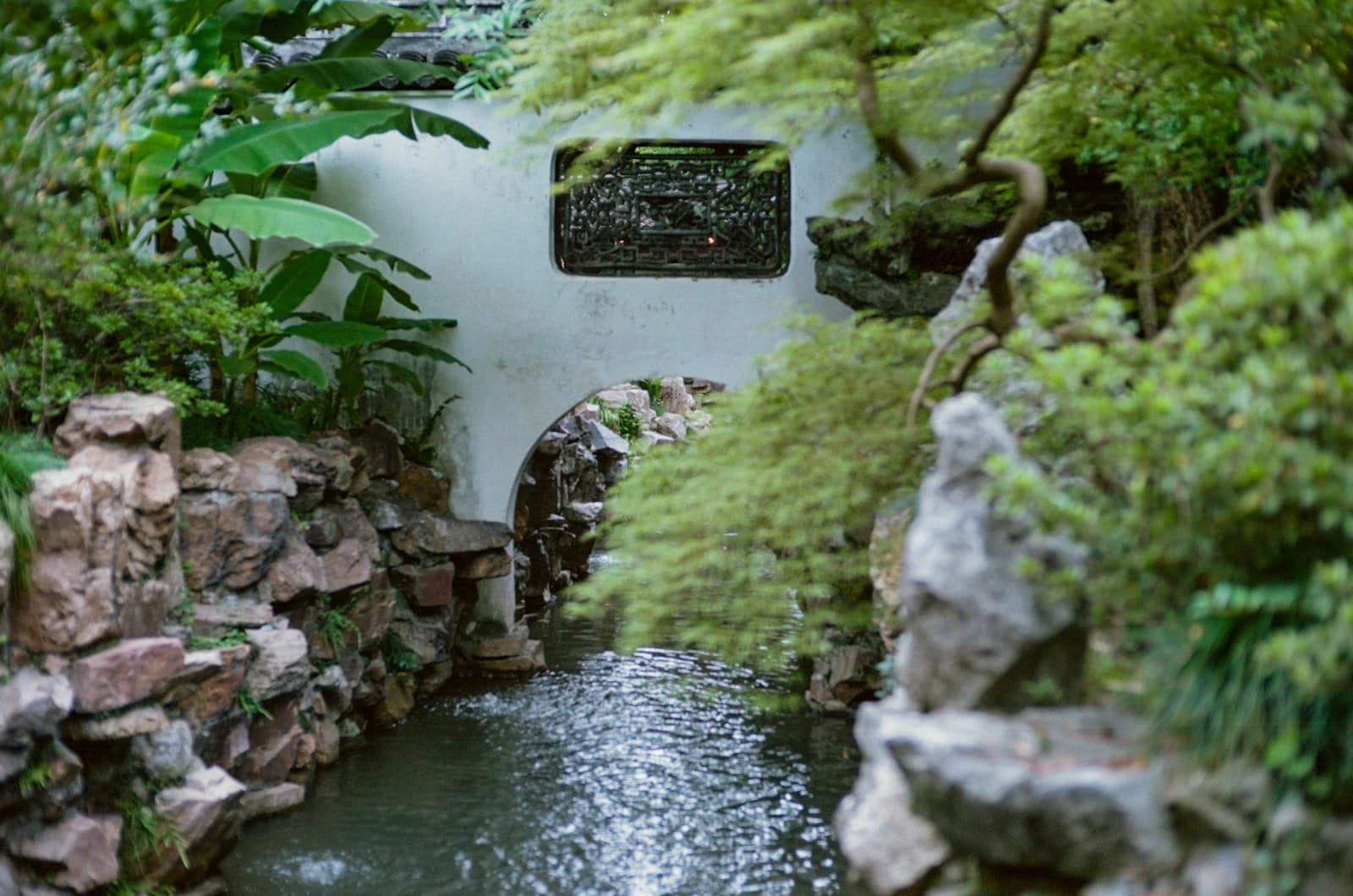
If you choose a second garden, Lingering Garden (Liu Yuan) plays the counter‑role beautifully. Built around the Qing‑era principle of “changing scenery with every step,” it folds rockery, covered corridors, and cloud‑capped peak stones into a space that feels more mysterious than the open‑plan classicism of the Humble Administrator’s Garden. It’s smaller, less photographed by influencers, and encourages slower wandering. Master of Nets Garden (Wangshi Yuan), a favourite of Frank Zhang, LocalKey Travel’s founder and a Suzhou resident, demonstrates how much a designer can do with a compact footprint — it packs architecture, water, and borrowed scenery into a fraction of the area of the larger gardens. On a weekday afternoon, you can sit by the central pond and practically hear the bamboo rustle above the low chatter.
Couple your garden choice with a visit to Pingjiang Road, the canal‑side lane where whitewashed walls, humpback bridges, and tea shops thread together the Suzhou most visitors imagine. It’s touristy, yes, but also the best soft landing for a first‑timer — a place to grab noodles, snack on osmanthus cake, and watch small boats pole by. Frank often tells clients to treat Pingjiang Road not as a “sight” but as the pause between sights, and that shift of mindset changes the day.
What’s the best return timing and how do I avoid a station scramble?
Buy your return ticket for a train between 17:00 and 18:00, then aim to be at Suzhou Railway Station 25–30 minutes before departure. The late‑afternoon window gives you enough time to wander after lunch without getting tired, and it lands you back at Shanghai Hongqiao before the evening rush of long‑distance passengers fills the halls. Weekend evening trains can sell out, so if you’re travelling on a Saturday or Sunday, locking in that return seat early becomes essential — in our experience, too many clients leave it until 15:00 and find the next two suitable departures suddenly gone.
A practical exit plan looks like this:
- By 16:30, leave whatever teahouse, garden, or shop you’re in and head toward the station. The short DiDi or taxi ride from the old city usually takes 10–15 minutes in light traffic.
- At the station, your passport is scanned at the ticket barrier; don’t bury it at the bottom of your bag. Security queues for high‑speed trains are faster than at Hongqiao, but a pocket‑power‑bank check can add 90 seconds.
- If you missed your booked train, head to the ticket counter and ask for a later service. Same‑day changes are possible on many routes, though not guaranteed for busy periods. Doing it at a window is slower than on an app but avoids language‑barrier meltdowns.
For visitors entering China under the 240‑hour transit‑free policy via Shanghai, Suzhou is firmly inside the only‑allowed Jiangsu region, making the day trip a clean fit. Still, confirm your port, onward ticket, and exit date before planning any rail day. The full rule set is covered in our 240‑Hour Visa‑Free China Guide (2026), and the National Immigration Administration’s December 2024 Q&A remains the authoritative source.
How do payment and navigation work in Suzhou?
Alipay works at nearly every shop, café, and museum ticket counter a day‑tripper is likely to visit. Foreign‑card‑linked accounts processed through Alipay’s international‑facing tools now cover over 80% of Suzhou’s tourist‑area merchants, according to Ant Group’s 2025 rollout data (Ant Group, “Alipay+ for International Tourists,” updated 2025). Still, carry ¥200–300 in cash as a backup; a tiny noodle stall or a hat seller with a glitchy QR code can stall a transaction, and a ¥10 note solves that faster than reinstalling an app.
Mobile maps are the trickier part. Google Maps does not route reliably inside mainland China. Most of our clients load maps.me with an offline Suzhou layer before leaving Shanghai, or ask their hotel to pin destination names in Chinese so they can hand a phone to a taxi driver. At Suzhou Railway Station, official taxis queue outside Exit 2 on the ground floor; DiDi works exactly as it does in Shanghai, though you may need a Chinese phone number to complete a DiDi booking unless your account is already verified.
For the full Alipay setup — linking an international card, topping up, and handling offline‑pay scenarios — use our dedicated guide: Alipay for Foreigners 2026: The Setup Guide That Actually Works. Getting payment sorted once, before you leave Shanghai, makes Suzhou feel like a friendly neighbour instead of a payments obstacle course.
Suzhou Day Trip Quick Reference
- Train: Shanghai Hongqiao → Suzhou Railway Station. Book return before lunch.
- Gardens: Humble Administrator’s Garden (morning) + Lingering Garden or Master of Nets (afternoon).
- Food: Suzhou noodles, squirrel‑shaped mandarin fish, glutinous rice snacks, osmanthus tea.
- Payment: Alipay as primary, ¥200–300 cash backup.
- Maps: Offline map or hotel‑written Chinese addresses; don’t rely on Google Maps.
- Passport: Non‑negotiable for rail and any ticket‑by‑ID bookings.
- Pacing: One major garden, one canal walk, one proper sit‑down meal. Anything more and you’ll remember logistics instead of Lotuses in the pond.