TL;DR: Three 5-day itineraries suit first-time China trips: Beijing-only (classic sites, zero intercity travel), Beijing–Shanghai (4.5h high-speed rail), and Beijing–Xi’an (overnight soft-sleeper or high-speed rail, for the Terracotta Warriors). Book the Forbidden City, Terracotta Army and Shanghai Tower early, and set up Alipay with a foreign card before you fly.
If I only have 5 days, should I just stay in Beijing?
Yes, staying in Beijing for all five days is the most relaxed choice. There is no need to navigate train stations or domestic flights, and you can actually absorb the Forbidden City, Great Wall, Summer Palace, and Temple of Heaven without rushing. Our clients consistently report that a single-city base feels easier after a long-haul arrival.
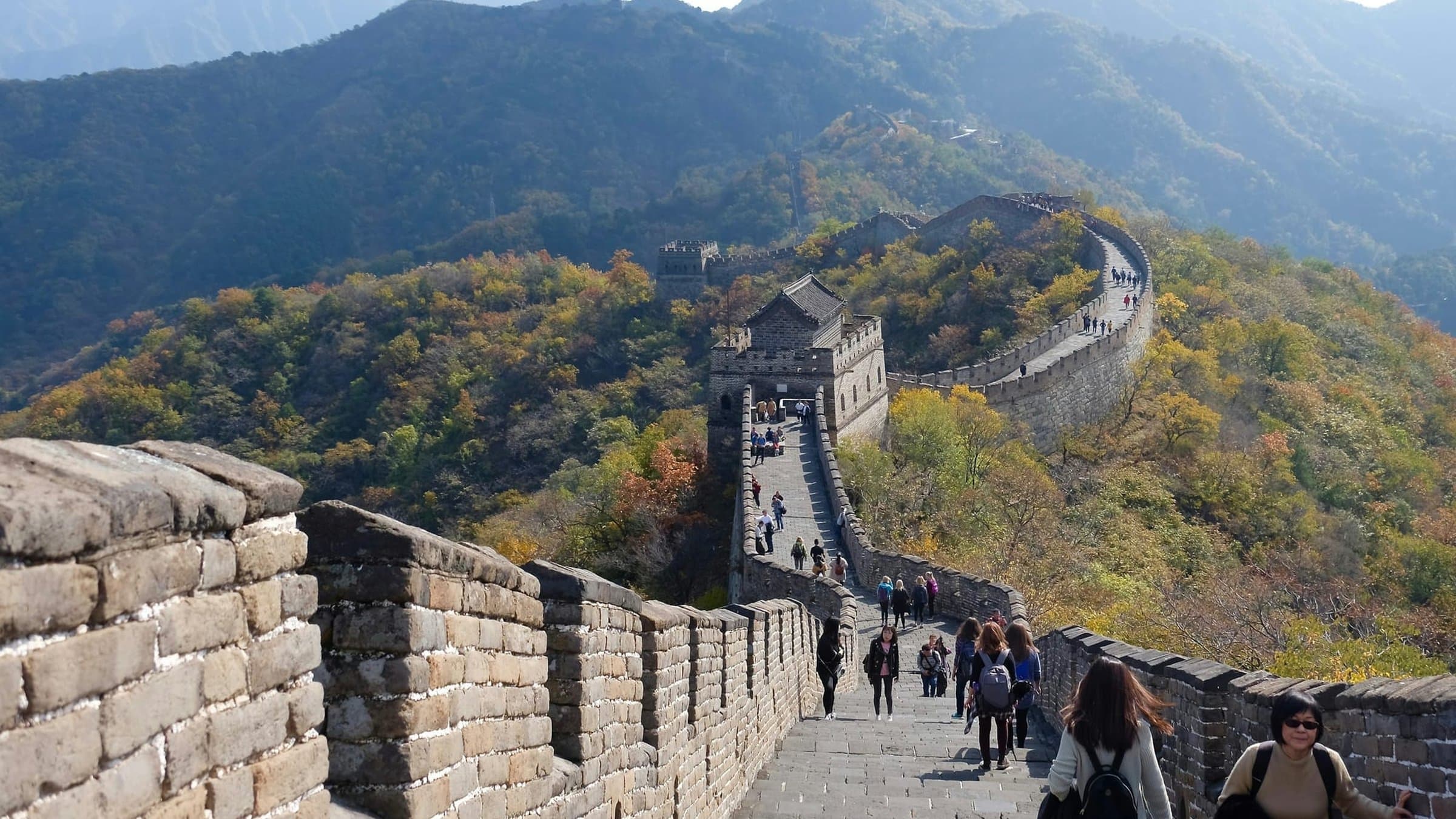
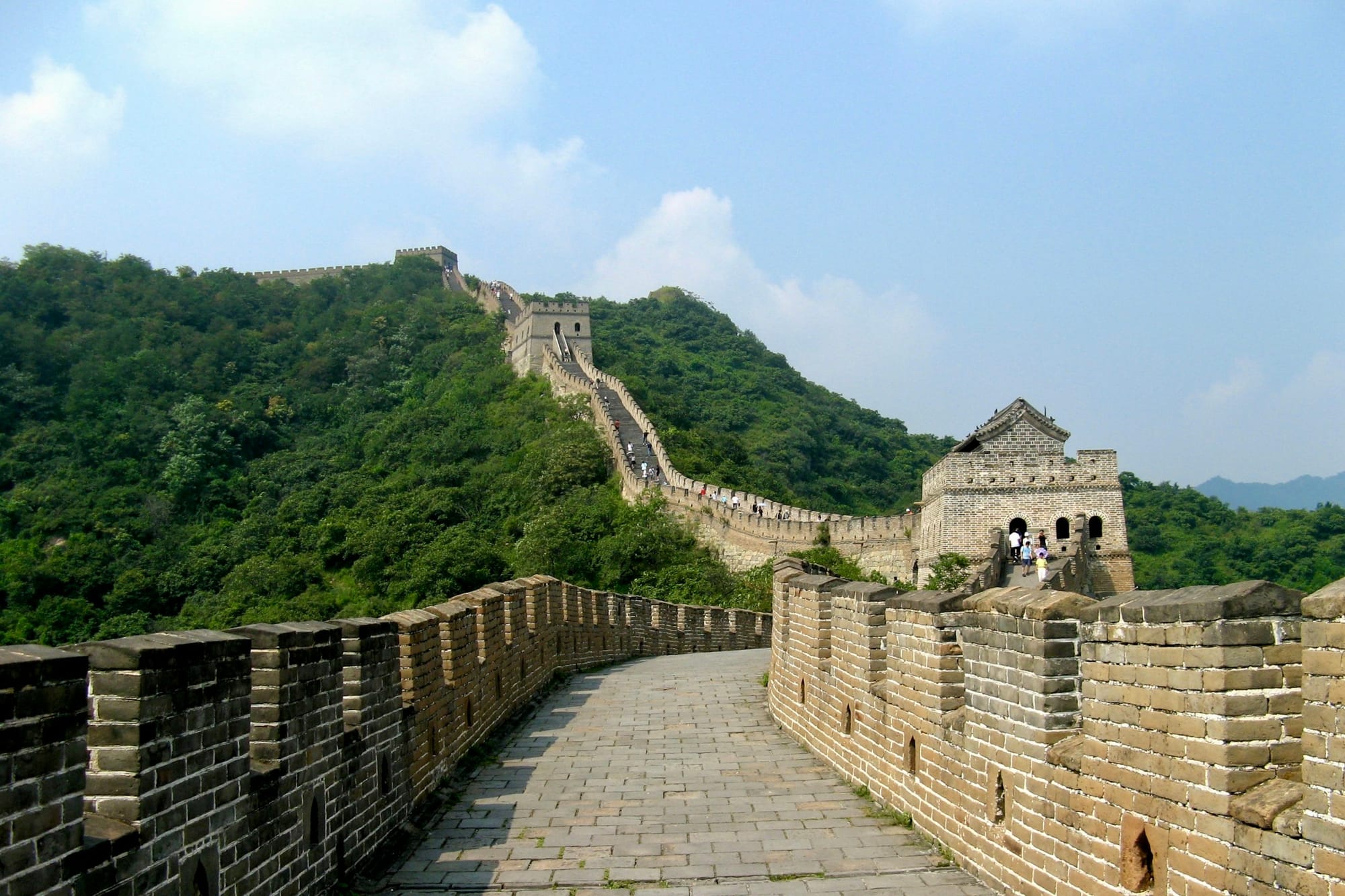
Start Day 1 with arrival and a low-key evening at Wangfujing Night Market for lamb kebabs and jianbing. Day 2: Forbidden City (book at least 7 days ahead via the official WeChat mini‑program, walk‑up tickets sell out daily; Palace Museum advisory) then Jingshan Park for a rooftop view and Peking duck at Quanjude or Dadong. Day 3: Mutianyu Great Wall (Dongzhimen Transit Hub bus, 90 minutes each way, less crowded than Badaling; cable car optional). Day 4: Temple of Heaven early morning for tai‑chi, Summer Palace boat ride, 798 Art District in the evening. Day 5: National Museum of China (free, passport required; official museum hours) and departure.
The Beijing subway covers all these sites; a Yikatong card or Alipay QR code at turnstiles works. Best months are October–November and March–April with 10–20°C and fewer smog days. Avoid July–August when heat (30–35°C) makes outdoor sites exhausting. This itinerary works even if you haven’t sorted out domestic SIM cards perfectly because all key stops have English signage and Alipay acceptance.
Can I realistically do both Beijing and Shanghai in just 5 days?
You can, but you must accept one fast transfer day. The high‑speed G‑train from Beijing South to Shanghai Hongqiao takes about 4.5 hours (12306.cn, last‑checked May 2026). That means your Day 1 in Beijing needs to be tight.
Our normal client plan: Arrive Beijing, rush to Forbidden City (pre‑booked afternoon slot), then board the evening train to Shanghai. Alternatively, take a morning train on Day 2 to give Beijing a full afternoon. Once in Shanghai, walk The Bund and Yu Garden on Day 2 afternoon; the architectural contrast between colonial banks and Ming‑dynasty rockeries hits hard. Day 3: Shanghai Tower observation deck, 118th floor (Shanghai Tower official tickets), then French Concession’s plane‑tree‑lined Wukang Road. In the evening, a Huangpu River cruise gives skyline views without walking. Day 4: a metro‑plus‑bus day trip to Zhujiajiao Water Town (ticketed, canal rides extra) shows a traditional canal‑town side. Day 5: Shanghai Museum’s bronze and calligraphy halls (free, Shanghai Museum visitor info) then departure via Hongqiao airport, which is closer to the city center.
Frank Zhang, LocalKey Travel’s founder, notes that first‑timers often underestimate the mental fatigue of switching between two very different city systems. He advises packing the Beijing half with maximum sightseeing and treating Shanghai as the “modern recharge” leg, where you can rely on widespread Alipay acceptance and more English‑friendly metro announcements. Even so, keep some cash for street stalls; international QR codes occasionally fail. And make certain you have set up Alipay with a foreign card before you leave home—we’ve covered the exact steps in our Alipay for Foreigners 2026 setup guide.
What about Beijing plus Xi’an for ancient history lovers?
If the Terracotta Warriors sit top of your bucket list, Beijing–Xi’an pairs Beijing’s imperial sites with Xi’an in five days. You’ll need one domestic travel leg—either an evening high‑speed train (5.5 hours) or an overnight Z‑train soft sleeper (China Highlights train guide). The overnight train saves a hotel night and puts you at Xi’an Railway Station early morning.
Typical client flow: Day 1 in Beijing for Temple of Heaven (morning) then board the overnight train. Day 2: straight to the Terracotta Warriors from Xi’an Railway Station by bus 306 (about 1 hour, China Highlights ticket info). Pit 1 holds the mind‑boggling infantry ranks—budget 3 hours. Evening: a Tang Dynasty dumpling banquet with music. Day 3: bike the 14‑kilometer Ancient City Wall loop (bike rental on the wall) for a 360‑degree city view; then Muslim Quarter’s yangrou paomo and liangpi, ending at the Great Mosque. Day 4: Shaanxi History Museum’s Tang gold and silver collection (free, tickets must be booked 2 weeks ahead via the official WeChat channel). Afternoon, climb the Giant Wild Goose Pagoda. Fly back to Beijing in the evening. Day 5: Summer Palace and departure from PEK.
Xi’an gets punishingly hot and dusty from June through August—over 35°C—so spring or autumn is far better. We often see first‑timers try to squeeze the Terracotta Army into a half‑day; give it a full morning plus travel buffer, or you’ll lose the afternoon to dehydration and fatigue.
What exact steps should I take before departure to avoid common 5‑day trip pitfalls?
Do six things before you fly: set up Alipay, book timed tickets, load offline maps, plan lawful mobile data, carry your hotel address in Chinese, and pack a power bank and adapter. The steps below follow that order.
- Link your Visa or Mastercard to Alipay and finish its identity check at least 48 hours before your flight. Alipay’s identity verification works smoother on home Wi‑Fi (Alipay international help).
- Book Forbidden City, Terracotta Army, and Shanghai Tower tickets the moment your flight is confirmed. Use the Palace Museum’s WeChat mini‑program for the Forbidden City and Shanghai Tower’s website for the deck; book the Shaanxi History Museum through its official WeChat channel. Popular slots sell out 7–14 days in advance, especially on weekends.
- Download Maps.me or Amap and store offline maps of Beijing, Shanghai, and Xi’an. Google Maps shows only basic road layouts inside mainland China.
- Plan your mobile data before you leave. Google, Facebook, YouTube and X are permanently blocked in mainland China, and under China's cybersecurity rules, VPNs must be licensed by the Chinese government, so unlicensed VPN use is not permitted (UK FCDO China travel advice, updated 27 August 2026, checked 7 October 2026). Use international roaming or a foreign eSIM data plan; our eSIM and SIM guide compares both.
- Print your hotel address in Chinese characters and carry it in your pocket; also save the hotel’s phone number. When a taxi driver can’t read Pinyin, showing the Chinese text avoids expensive 30‑minute detours.
- Pack a small power bank and a universal adapter—China uses Type A/I sockets. USB charging is common, but high‑speed trains have limited outlets, and your phone is your ticket, map, and wallet.
How do I pick the right itinerary for my travel style?
Pick by how much intercity travel you can accept: Beijing-only has none, Beijing–Shanghai adds one 4.5-hour train day, and Beijing–Xi’an adds an overnight train and a flight back. The table compares the three options with sources for timings and bookings.
| Itinerary | Focus | Main cities | Travel time | Key booking | Source |
|---|---|---|---|---|---|
| Beijing‑only | Imperial history, relaxed pace | Beijing | None | Forbidden City timed ticket, Mutianyu Great Wall | Palace Museum tickets, Mutianyu official site, accessed May 2026 |
| Beijing–Shanghai | History vs modernity, big‑city buzz | Beijing, Shanghai | 4.5h G‑train | G‑train seat, Shanghai Tower deck | 12306.cn; Shanghai Tower official |
| Beijing–Xi’an | Deep ancient history, food | Beijing, Xi’an | 5.5h G or 12h overnight sleeper | Overnight soft sleeper or G‑train, Terracotta Warriors ticket | China Highlights train & ticket pages; Shaanxi History Museum official |
Pick Beijing‑only if you want zero intercity stress and prefer to explore one city deeply. Pick Beijing–Shanghai if you want the imperial capital vs. futuristic skyline contrast and accept one fast train day. Pick Beijing–Xi’an if the Terracotta Army and Muslim Quarter food are non‑negotiable; be ready for an overnight train and one domestic flight.
In our experience, Beijing-only trips leave room for slower moments such as Houhai Lake, a second museum, or an earlier night after the Great Wall. Frank Zhang’s rule of thumb is simple: if jet lag will hit you hard coming from North or South America, stick to one city. If you’re short-haul from Asia or Europe, a two-city sprint is physically doable.
What seasonal pitfalls can derail a five‑day itinerary?
Summer heat and rain, spring dust and winter ice are the main seasonal risks, and autumn (September–November) is the easiest season across all three cities. Beijing’s spring (March–May) brings cherry blossoms but also occasional dust storms in April—carry a mask. Summer (June–August) means 30–35°C humidity in Beijing and Shanghai, plus intense rain; schedule outdoor attractions before 10 AM. Xi’an’s summer is dry heat, often above 35°C, making the city wall circuit risky midday.
Autumn (September–November) is the sweet spot across all three cities. Clear skies, 10–20°C, and far fewer domestic tourists after the October 1–7 National Day holiday. Bookings ease up, and outdoor dining in Shanghai’s French Concession becomes genuinely pleasant.
Winter (December–February) drops Beijing and Xi’an to -5 to 5°C. The Great Wall can be icy, some outdoor sections close early, but museum crowds thin out. Our clients from Northern Europe often find winter visits fine if they pack thermal layers and waterproof boots. The key hazard for any 5‑day trip is trying to hit the Forbidden City on a Monday—it’s closed, like most Chinese museums, except during national holidays. Double‑check official museum schedules as you build your daily plan; abrupt closure days can force a scramble that eats a whole morning. The Beijing Tourism official site lists seasonal hours for all city attractions.
Before final packing, run through our first‑time visitor checklist. It syncs perfectly with the DIY itineraries above. If you decide on Beijing‑only, our 5‑day Beijing deep‑dive guide adds restaurant and hutong routes you won’t find in standard guidebooks. And if a passport emergency happens, the steps in Lost Passport in China can save you a day of panic.