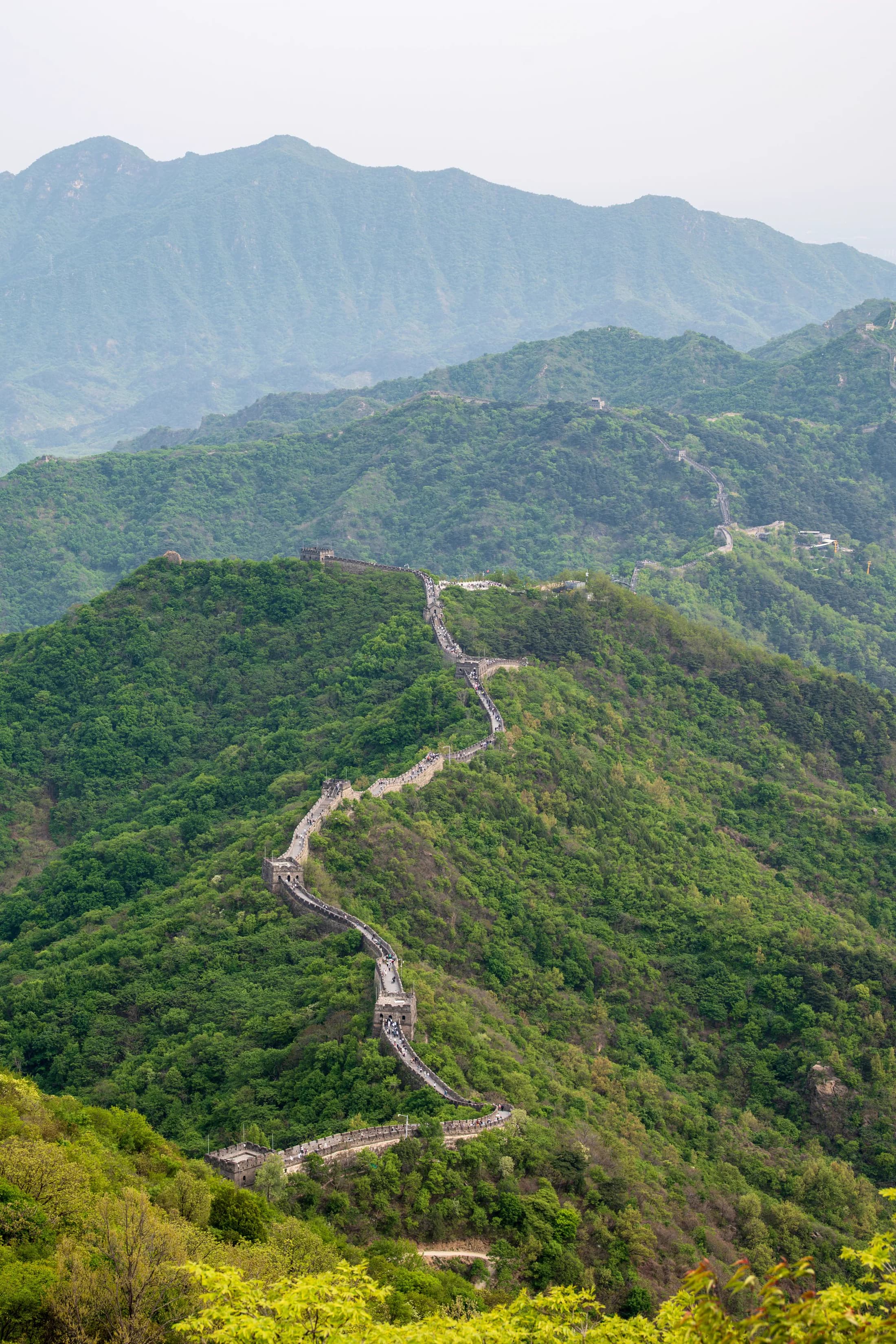
A Beijing Xi'an Shanghai private tour gives you three distinct views of China in one carefully paced journey: the political capital, the former imperial center of Xi'an, and the international energy of Shanghai.
This sample route is designed under Private China Tours, with Classic as its natural fit. The Classic tier uses high-speed rail as the intercity spine, combines private planning with guide time where it matters, and leaves room for independent movement between arranged experiences. Signature keeps the same three cities but adds more private car and guide coverage, higher hotels, and a slower rhythm.
I am Frank Zhang, founder of LocalKey, and I live in Suzhou. I use this three-city route as a practical starting point for travelers who want more depth than a Beijing–Shanghai trip but do not want a rushed list of stops. It is also distinct from our general first-time 7–10-day planning guide: this page focuses on one commercial sample route, one three-city sequence, and the choice between Classic and Signature.
LocalKey Travel / Guangdong Xingcheng International Travel Agency has operated since 2009. We do not sell group coach departures or fixed packages. The route below is a sample framework for a private proposal, with dates, hotel level, guide coverage, and daily pacing confirmed during consultation.
Who this three-city private tour fits
The Beijing Xian Shanghai itinerary works especially well for travelers with approximately eight to twelve days who want a broad first journey without adding too many domestic flights. It connects major historical places by rail and gives each city enough space for a meaningful visit.
It is a good match if you:
- Want Beijing’s imperial sites and a Great Wall day.
- Want to add Xi'an rather than moving directly from Beijing to Shanghai.
- Are comfortable using high-speed rail as the main city-to-city connection.
- Prefer private route design, hotel coordination, guides, transfers, and support without a group coach.
- Want a clear Classic starting point with the option to upgrade to Signature.
- Need a route that can be adjusted around family pacing, mobility, jet lag, or a preferred hotel level.
The Classic option is generally strongest for travelers who are happy to combine guided visits with some independent time. The train connects the cities efficiently, while local transport inside each destination can be selected according to the day: private transfer, metro, taxi, or another arranged option.
Signature is better on the same three cities when comfort and unhurried movement matter more than keeping the route compact. It can add private car days inside the cities, more guide coverage, higher hotels, and more generous transition time.
| Choose Classic when... | Consider Signature when... |
|---|---|
| You want HSR to form the main intercity route. | You prefer more private car days inside each city. |
| You are comfortable with a balanced mix of guided and independent time. | You want more guide coverage across the full journey. |
| You want a practical eight-to-twelve-day sample. | You want a slower pace with fewer station or hotel transitions. |
| Carefully selected hotels meet your needs. | Higher hotel categories are important. |
| Your party can manage normal station walking and travel days. | You are traveling with multiple generations or want extra comfort. |
| You want the Classic tier under Private China Tours. | You want to compare the Signature tier under Private China Tours. |
For families, the same three-city product can be shaped around shorter walking blocks, rest periods, earlier dinners, and practical hotel locations. See China Family Tours if family pacing is central to your enquiry.
Sample day skeleton: Beijing to Xi'an to Shanghai
This is an illustrative nine-to-eleven-day arc, not a fixed package. The final plan depends on arrival time, travel season, hotel selection, Great Wall preferences, and how much time you want in each city. The central rule is simple: fewer major visits done well usually produce a better private trip than filling every available hour.
Days 1–3 or 1–4: Beijing
Begin in Beijing, allowing the first day to absorb arrival and time-zone changes. A practical opening may include a gentle neighborhood walk, a nearby meal, or an early rest rather than a full sightseeing schedule.
Once settled, Beijing can be arranged around its imperial and civic character. The Forbidden City and the surrounding central axis deserve enough time to understand the scale and function of the former palace complex, rather than treating them as a quick photo stop. A private guide can help connect the main halls, courtyards, collections, and city layout in a coherent sequence.
A second Beijing day can combine hutong depth with a park, temple, or food-focused neighborhood. The exact choice depends on your interests and energy. Some travelers prefer a longer cultural visit; others benefit from a lighter day before the Great Wall.
The Great Wall is usually planned as a dedicated day. The section, walking distance, transfer time, and guide coverage should be selected around fitness, season, and crowd tolerance. The point is not to fit several distant attractions into one day. It is to give the wall enough time while keeping the return to the city manageable.
Classic typically uses private guide coverage where interpretation adds the most value, then leaves space for metro, taxi, or independent neighborhood movement. Signature can extend private car use and guide coverage if you prefer door-to-door transitions.
Transfer: Beijing West to Xi'an North
The Classic route uses high-speed rail between Beijing and Xi'an. Common services run from Beijing West to Xi'an North, with the fastest trains often falling in an illustrative range of approximately four to four and a half hours. Actual service times and terminals must be checked when booking.
The rail day is part of the route design, not an afterthought. We coordinate the station transfer, ticketing process, luggage expectations, and arrival connection in the confirmed plan. For rail context only, you can also review Beijing to Shanghai by HSR, although this three-city sample deliberately places Xi'an between the two major eastern cities.
Xi'an days: the archaeological center and the old city
Xi'an benefits from at least two nights in a route of this length. Its importance is not limited to one ticketed attraction. It is a former capital with a strong city structure, substantial museum context, and a different pace from Beijing and Shanghai.
The principal east-of-city visit is the Terracotta Army (兵马俑). Allow time for the journey, the main exhibition halls, and the historical explanation that makes the figures and their original setting easier to understand. The visit works better as a focused half-day or extended half-day than as one item squeezed between unrelated stops.
Back in the city, the old wall and central areas can be arranged according to your interests and arrival energy. You may prefer a wall section with a short walk, a museum or historical complex, or a slower look at central streets and local dining. A private guide can help choose the right depth without turning Xi'an into a checklist.
This is also where Classic and Signature may feel different. Classic can pair the main archaeological visit with planned transfers and selected guide time. Signature can make the day more relaxed with additional private car support, more flexible stops, and a higher level of assistance for families or travelers who do not want to manage station and city transfers themselves.
Transfer: Xi'an North to Shanghai
The next rail leg runs from Xi'an North toward Shanghai Hongqiao or the Shanghai terminal shown on the confirmed service. Longer G-train services are often in an illustrative range of approximately five and a half to six and a half hours. These are planning ranges, not guaranteed schedules.
A morning departure is often useful because it protects the arrival day in Shanghai, but the best choice depends on hotel check-in, party preferences, and whether you would rather have a later start. We confirm the live service and build the transfer around your actual itinerary.
Shanghai days: a different final chapter
Finish in Shanghai, where the route shifts from imperial history and archaeological context to a modern commercial city shaped by the river, international trade, and dense urban neighborhoods.
The Bund is best approached with time to understand the waterfront, the historic building line, and the relationship between the river and the modern skyline. Depending on your interests, the day can continue toward an old-town area, a garden, a museum, or a neighborhood chosen for architecture and food.
Shanghai rewards selective planning. A private guide can give structure to a half-day while leaving the rest open for independent exploration. If your schedule allows, Suzhou may be considered as a half-day addition, but it should not be forced into a route already carrying three major cities. The final proposal should protect your last evening and any onward flight connection.
The Beijing Xi'an Shanghai private tour is therefore not simply three city labels. It is a sequence with changing travel demands: a substantial Beijing start, a focused Xi'an middle, and a flexible Shanghai finish.
What Classic includes versus the Signature upgrade
Both tiers are private products under Private China Tours, with one-to-one specialist design, booking coordination, a digital roadbook, and 7×24 WeChat or WhatsApp support. The difference is how much support and comfort the route carries from day to day.
| Route element | Classic | Signature |
|---|---|---|
| Intercity movement | HSR-led Beijing–Xi'an–Shanghai route. | The same HSR intercity spine remains, with more private car inside the cities and for transfers that need it. |
| Guide coverage | Focused guide time at the places where interpretation matters most. | More guide days and broader coverage across the journey. |
| Local transport | A practical mix of arranged transfers and independent movement. | More door-to-door private car support and fewer self-managed transitions. |
| Hotels | Carefully selected hotels matched to the proposal. | Higher hotel level as part of the upgrade. |
| Pace | Efficient and balanced for travelers comfortable with rail-led movement. | Slower rhythm with more margin for rest, families, and multi-generation parties. |
| Planning support | Private route design, hotel shortlist and booking coordination, rail, transfers, major tickets, restaurant planning, travel documents, and on-ground support as confirmed. | The same planning foundation with a higher comfort and service profile. |
Neither tier is a group departure or a fixed package. The final proposal confirms what is included, which guides and drivers are used, the selected hotels, rail services, transfers, major tickets, and any optional additions.
International flights to and from China, travel insurance, personal documents, unconfirmed supplier-only access or special permits, personal spending, shopping, optional upgrades, and meals outside the confirmed plan are not included.
A price should only be read in the context of the exact proposal. For reference, LocalKey publishes a Signature soft-landing Shanghai and Suzhou sample from $1,800 per person; that figure is not a floor for this Beijing–Xi'an–Shanghai route and does not represent a Classic price. This page does not invent a Beijing–Xi'an–Shanghai fare.
How to enquire: Classic or Signature
Tell us that you are considering a Beijing Xi'an Shanghai private tour and whether you are leaning toward Classic or Signature. A useful first enquiry includes:
- Preferred travel dates and total number of days.
- Party size, ages, and any family or mobility considerations.
- Whether you are comfortable with HSR as the intercity spine.
- Hotel preferences and room requirements.
- Great Wall walking expectations.
- Desired time at the Terracotta Army and in Xi'an.
- Jet-lag concerns, dietary needs, or a preferred daily start time.
- Whether a slower Signature pace would make the journey more comfortable.
The process is straightforward:
- Inquiry: Send your dates, party details, and initial priorities.
- Specialist consultation: We discuss Classic versus Signature, route length, hotels, movement, and guide coverage.
- Custom design: We prepare the three-city proposal around your actual constraints.
- Booking and support: Once confirmed, we coordinate suppliers, documents, transfers, and on-ground assistance.
LocalKey’s CTA is simple: Classic or Signature · 1:1 specialist · 7×24 WeChat/WhatsApp · LK-7. You can contact LocalKey or start from Private China Tours.
FAQ
Is this a group Beijing–Xi'an–Shanghai tour?
No. It is a private Classic rail-led sample under Private China Tours. Signature upgrades private car and guide coverage on the same three cities. The final route is discussed one to one.
What is the difference between Classic and Signature?
Classic uses HSR as the intercity spine, with carefully selected hotels, guide time where it matters, and more independent movement. Signature adds more private car days, broader guide coverage, higher hotels, and a slower pace.
How long should this three-city route take?
A common sample is approximately nine to eleven days, while some travelers may prefer eight days or extend to twelve. The right length depends on arrival and departure times, hotel changes, Great Wall pacing, and how much rest you want.
How do I enquire?
Send your dates, party size, preferred tier, and key constraints. A specialist will discuss the route and confirm the practical details through 7×24 WeChat or WhatsApp support.