Yes — Beijing belongs on a first China route, but it asks for more room than most itineraries give it. Plan four days minimum, five if you want the hutong mornings that do not photograph well in a rush. The Forbidden City, Temple of Heaven, Summer Palace, and Great Wall are all within reach, but the city is large and the distances punish overpacked maps. The Beijing most visitors miss lives in the grey-brick alley networks between the monuments.
- Region: North China · Beijing–Tianjin–Hebei cluster
- Best: April–May · September–October
- 4 days minimum · 5 with breathing room
- Imperial core + hutongs + one Great Wall day
The Verdict — Should Beijing be on your route?
Beijing is the city that most rewards travelers who slow down, and the one that most punishes those who do not. Big-capital energy runs through it: imperial scale, hutong intimacy, and routes that need time to work.
"Do fewer things per day than you think. Beijing punishes overpacked maps. The reward is not another monument — it's an unhurried morning in a park built for imperial ritual."
— LocalKey trip-design principle
Yes, if — You want imperial China at full scale, and you are willing to give it real days. Few cities concentrate this much dynastic history within one metro area.
Think twice, if — You have four days total for all of China and want variety over depth. Beijing is not a city you sample; it is one you settle into. Shanghai is the softer, faster landing if this is your first trip and you are short on time.
Practical minimum — Four days for the core. Five if you want breathing room, which is the version we recommend.
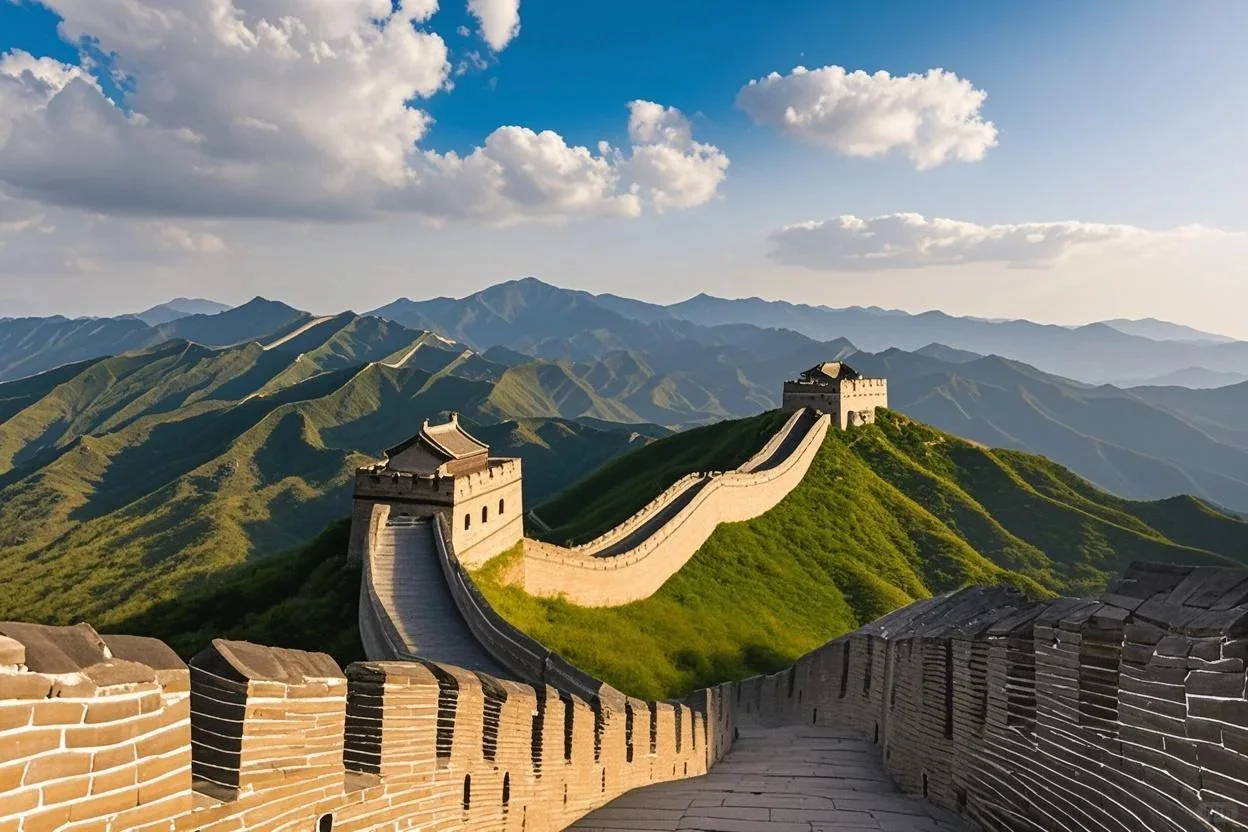
The Great Wall caveat — Give it one full day, not a squeezed side stop. Mutianyu is the practical default: restored, visually strong, and far enough from the city to feel like a different world. A private car is worth the cost.
What Not to Miss — Six anchors that earn their time.
Chosen for texture and pacing, not for ticking boxes.
The Forbidden City — One axis, three hours
The imperial palace complex is genuinely vast. Budget three hours, enter through the Meridian Gate with a timed ticket, and move north through the main ceremonial axis. Book ahead — timed entry is standard, and walk-up availability is not something to count on.
Half a day · Timed ticket · Metro Line 1
Mutianyu — One real Great Wall day
Restored, scenic, and easier to arrange with a private car than the closer sections. It needs a genuine half-day on site, plus the drive. Treat it as a day, and do not stack three other stops around it.
Full day · Private car recommended · Book transport
Temple of Heaven — Park life at seven in the morning
Early mornings here deliver the Beijing most visitors miss: locals practicing tai chi, group ballroom dancing, and ordinary park life inside a space built for imperial ritual. The circular terraces also photograph beautifully in low light.
Early morning · Ticketed park · Worth the alarm
Summer Palace — How an emperor summered
A lake, a hill, a long painted corridor, and a clear lesson in how the court escaped the Forbidden City in summer. Allow half a day and do not rush the long bridge. Work across Kunming Lake toward Longevity Hill when the light is low enough to hold the water.
Half a day · Ticketed · Boating in season
The Hutongs — Walking without a destination
Dongcheng and Xicheng's alley networks reward walking with no fixed plan. Nanluoguxiang is accessible and busy; Shijia Hutong is quieter. For a structured walk, see our Beijing Hutong guide.
Anytime · Free · Best on foot
798 Art District — Contemporary China
China's contemporary art center occupies former East German-designed factory buildings in the north of the city. Worth an afternoon if current visual culture is part of why you came.
Afternoon · Galleries vary by season
Where to Stay — Three bases that behave differently.
Dongcheng and Xicheng — Central, close to the Forbidden City and Nanluoguxiang. Best for travelers who want cultural proximity and walking access to the historic core.
Chaoyang — Modern hotel and dining district. Better food options, easier payment, and a less austere atmosphere than the historic center. The practical choice if you want comfort over atmosphere.
Houhai and lake-adjacent hutongs — Hutong-adjacent with lake views and evening bar culture. Higher noise on weekends; quieter weekday mornings can be excellent for slow breakfast walks.
Trip Rhythm — How many days can Beijing absorb?
4 days — The core
Day one: arrival and the Temple of Heaven at a gentle hour. Day two: the Forbidden City and the hutongs. Day three: Mutianyu. Day four: Summer Palace and departure. Tight, but workable.
5 days — Core plus breathing room
The version we recommend. The extra day absorbs the distances, the ticketing friction, and one slow hutong morning that turns out to be the best part of the trip. Full detail in How to Spend 5 Days in Beijing Without Wasting a Single One.
6–7 days — Add Tianjin, or stop rushing
Tianjin is an easy rail day inside the same broad planning cluster. Alternatively, spend the extra time doing less: more park mornings, one more long dinner, and a second pass at whatever you liked most.
Logistics Notes — Getting there, and getting it right.
"Build extra time into transfers. Beijing distances feel bigger in real life than they look on a map."
— LocalKey logistics briefing
Flying in — Both PEK (Capital) and PKX (Daxing) work. Choose based on flight quality and hotel transfer time rather than airport reputation (Beijing overview and city context).
High-speed rail — Beijing South links to Tianjin and the major national routes, which is what makes the Tianjin day trip easy (China train booking).
Payment — Mobile payment coverage is high in central districts, restaurants, taxis, and most visitor areas. Set it up before you land rather than on arrival. See Alipay for Foreign Visitors 2026 and the China Guide payment notes.
Passport and bookings — Major attraction bookings commonly require passport information. Use the same name and passport number consistently across every booking, and book early (China travel planning essentials).
Visa-free routing — Beijing can anchor a 240-hour visa-free route, especially with Tianjin as a rail add-on. The main risk is overpacking distance-heavy days. Check the current rules in China 240-Hour Visa-Free 2026.
For Photographers — Where the light works.
Jingshan Park — Climb for the axial view over the Forbidden City. Clear winter or autumn air makes the frame cleaner.
Temple of Heaven — Use the circular terraces and long approaches for symmetry. Strong for quiet morning life as well as architecture.
Summer Palace — Work across Kunming Lake toward Longevity Hill when the light is low enough to hold the water.
Eating — Three bowls and a bird.
Beijing's food is wheat-north, not rice-south, and it rewards sitting down rather than touring. Start with Beijing Zhajiangmian, the wheat-noodle bowl with fried soybean-paste sauce. Breakfast is jianbing, a thin griddle crepe from a street stall. And Peking duck is worth one proper sit-down dinner — one roast bird, pancakes, and sweet bean sauce, ordered by someone who knows what is not on the tourist menu.
FAQ — What first-timers ask us about Beijing.
How many days do I need in Beijing?
Five days is a strong first visit: one arrival day, one Great Wall day, two city-core days, and one buffer day for distance, ticketing, or weather. Four is the minimum that still works (source).
Which Great Wall section works best for first-timers?
Mutianyu is the practical default: restored, scenic, and easier to arrange with a private car. It still needs a real half-day on site, not a squeezed side stop (source).
Do Beijing attractions need passport details?
Yes, commonly. Major attraction bookings require passport information, so use the same name and passport number consistently across every booking (source).
Can I pay with Alipay in Beijing?
Yes in central districts, restaurants, taxis, and most visitor areas. Attraction booking can still have passport-aware steps, so set payment up before arrival (source).
Is Beijing good for a 240-hour visa-free route?
It can be, especially with Tianjin as a rail add-on inside the broader planning cluster. The main risk is overpacking distance-heavy days (source).
Practical note · Verify current entry, payment, and ticketing policies before travel.