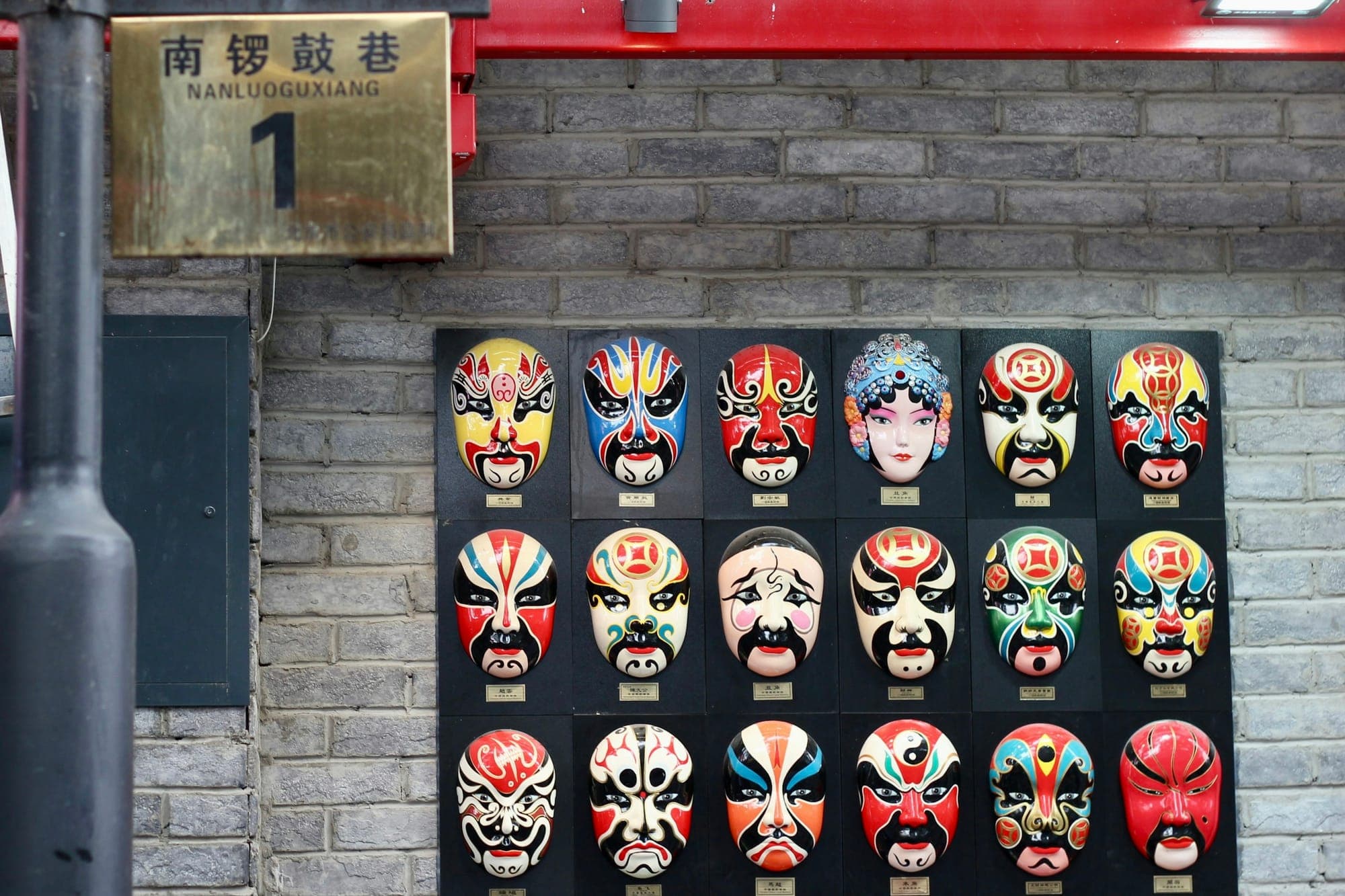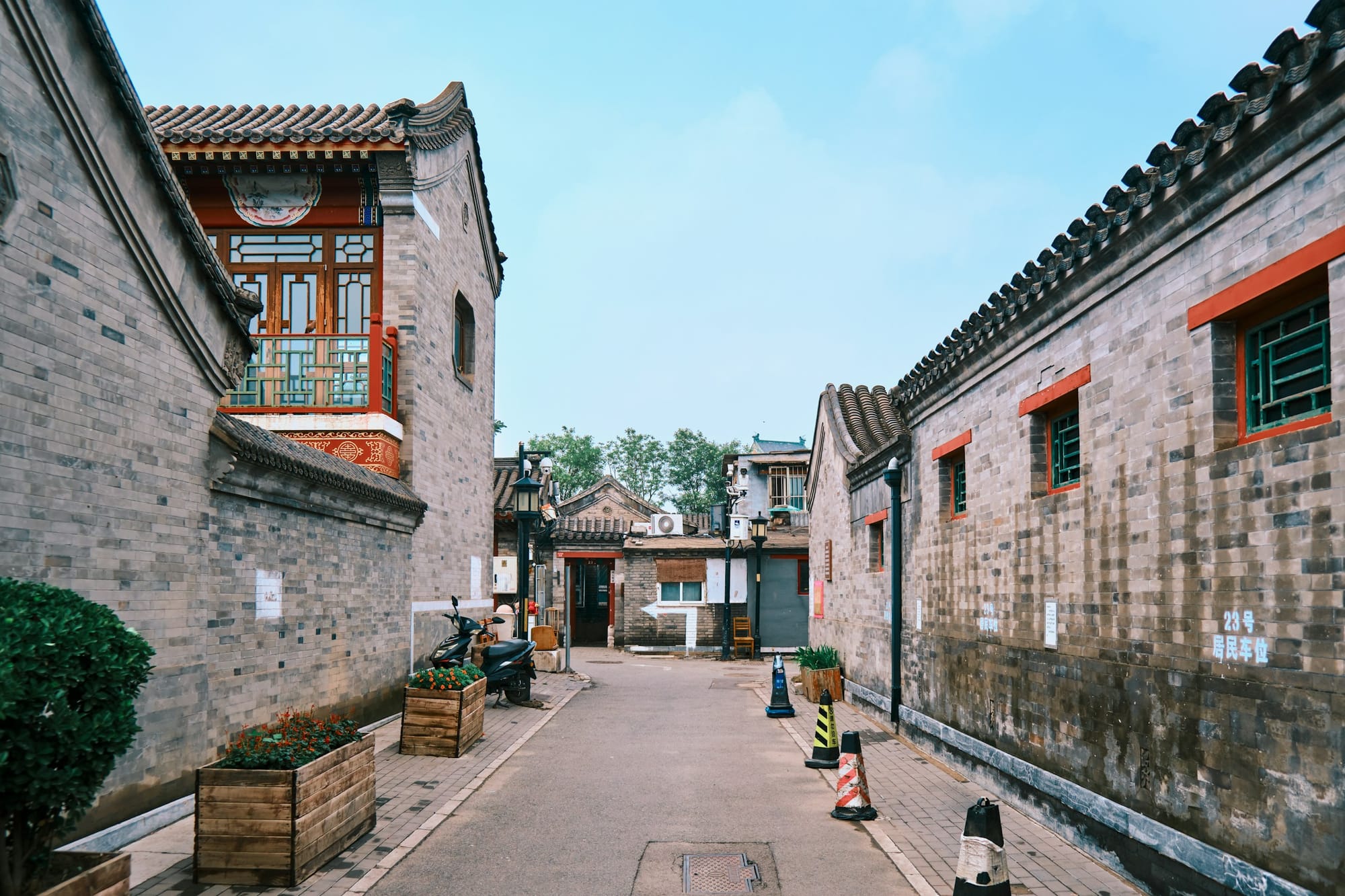
Yes. A Beijing hutong is a walk: a courtyard lane, grey brick, a siheyuan still lived in. That is sit/walk culture in the old city. It is not a rickshaw loop, not a souvenir-street checklist, and not a hutong-tour SKU.
This page is how an independent traveler walks the lane in 2026, not how to book a seat behind a driver.
The search "beijing culture" or "hutong walk" is a street question. Beijing's own law already names the street. The Regulations on the Conservation of Beijing Historical and Cultural City — passed 27 January 2021, in force 1 March 2021 — lists traditional hutongs, historic streets, and traditional place names as protection objects. Old-city protection also names the hutong–siheyuan building form. The same ordinance defines a traditional hutong as one formed in the Qing dynasty or earlier, and a historic cultural district as an area that still holds traditional hutongs and historic streets at a real scale. That is a living lane. It is not a ticketed ride.
The municipal government still counts the lanes. A Beijing Municipal Government report on 17 March 2025 says the city is protecting more than 1,000 existing hutongs and hutong names, and that the old city is not to be demolished again. The same page records application-based move-outs in Yuer Hutong and 27 other areas — more than 8,000 households during the 14th Five-Year Plan — so that people who stay keep a livable courtyard, and people who leave free space for infrastructure. The culture is the resident still hanging laundry. A rickshaw that treats the courtyard as a backdrop is a product. Walk past it.
The lane is not a UNESCO sticker
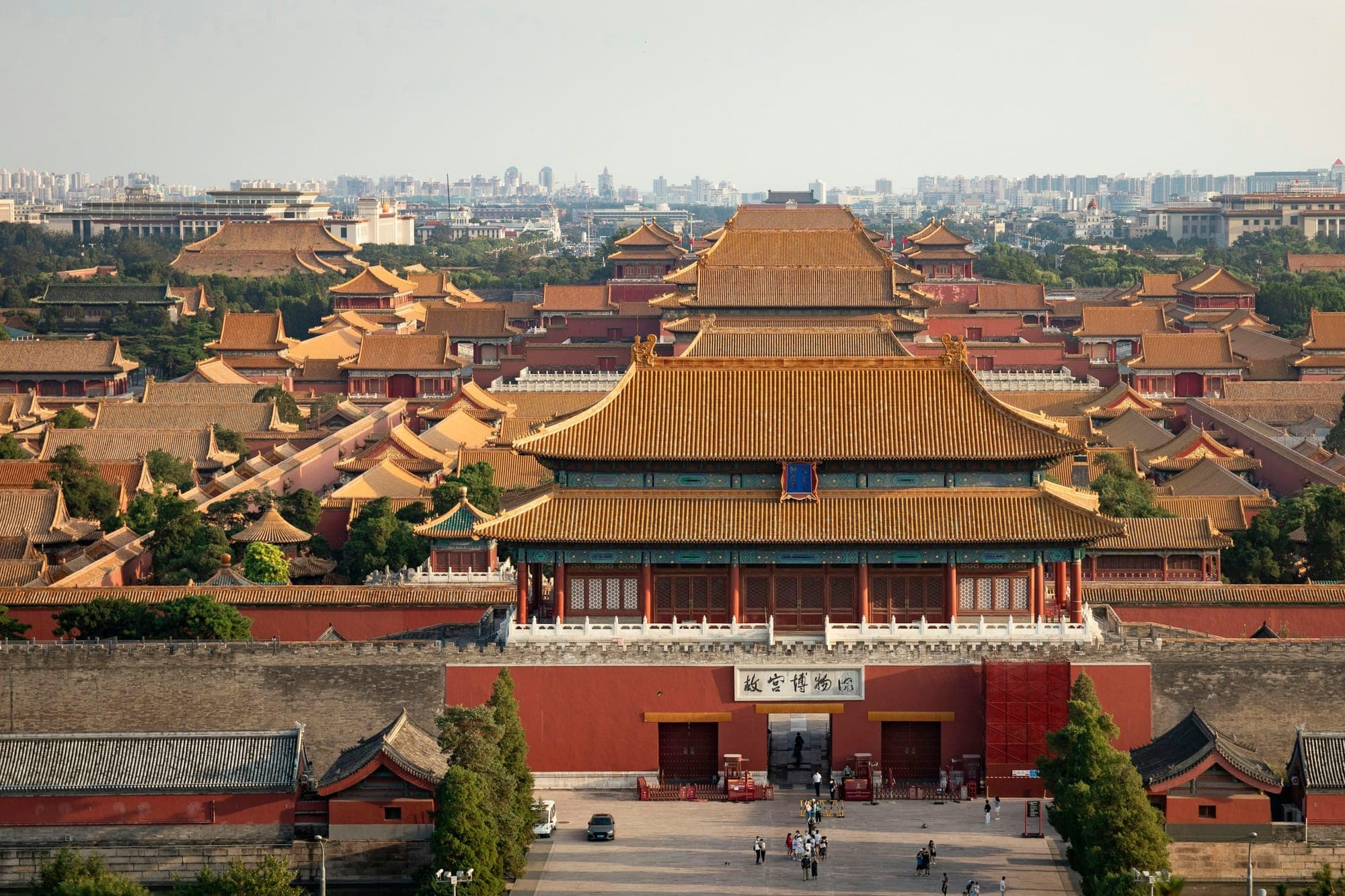
Do not paste a World Heritage badge onto every grey-brick alley. UNESCO lists the Beijing Central Axis — a 7.8-kilometre imperial ensemble inscribed on 27 July 2024, 589 hectares of property and a 4,542-hectare buffer. That listing is the axis: palaces, altars, ceremonial buildings, and the north–south order of the old city. It is not a listing of hutongs as a class. The municipal report is clear on the relationship it will claim: Axis inscription is used to drive overall old-city protection, including those 1,000-plus hutongs. We will not invent a hutong World Heritage site.
The districts keep being planned as streets, not as rides. On 25 June 2026 the municipal portal published Dongcheng's public consultation on four historic-cultural-district protection plans for 2026–2035: Xintaicang, Dongsi South, Zhangzizhong Road South, and Tianqiao–Zhushikou (east). Those are historic and cultural districts under the 2021 ordinance. A protection plan is a planning document. It is not a rickshaw timetable.
How to walk, not ride
Walk in. If the lane is open, walk. Residents live here. Keep your voice down. Do not lean into a courtyard door. Photograph brick, a tree, a gate stone — not a kitchen you were not invited into.
Say hú tòng if you need a word. A public lane does not need a ticket. A small courtyard museum is a different door; check that door's notice on the day. We will not invent a 2026 ticket price, a ranked list of alleys, or a booking URL. Those change, and a ranking turns this back into a tour.
Start from a metro exit and use your feet. The how-to for English-signed lines is on China metro for foreigners. A private car is useful at a tired hour. A rickshaw that loops the same three photographed corners is not the walk.
Official municipal coverage already names places without turning them into a SKU: Yuer Hutong beside the Yu River; the Qianmen East area and Caochang lanes; Shijia Hutong Museum; Shichahai as a lived old-city edge. Pick one cluster. Stay one or two hours. Do not stack ten names because a brochure used the word hutong twice.
The sit after the walk is a different room. Beijing's copper pot is a table, on Beijing hot pot 2026. Chengdu's public room is a park gaiwan, on Chengdu teahouse experience 2026. Jingdezhen is a kiln and a cup, on Jingdezhen porcelain 2026. Do not paste those onto one Beijing afternoon. The lane is the culture. The pot, the bowl, and the kiln are other sits.
Walk versus rickshaw
| Walk the lane | Rickshaw "hutong tour" | |
|---|---|---|
| What it is | Feet in a living courtyard street | A paid loop past the same corners |
| Official lock | 2021 ordinance: traditional hutongs, hutong–siheyuan form, historic cultural districts. Municipal 2025: 1,000+ hutongs kept. 2026 Dongcheng district plans. | A commercial ride. Not a protection object. |
| UNESCO | Central Axis is listed. Hutongs as a class are not. | A badge on a cart is still a cart. |
| Pace | You stop. You turn. You leave when the lane is a home again. | The driver keeps moving. You are cargo. |
| Photograph | Brick, tree, gate stone — after you asked nothing of a resident | A posed courtyard you did not sit in |
Sources for the walk column: Beijing Municipal Commission of Planning and Natural Resources, regulations; Beijing Municipal Government portal, over 1,000 hutong lanes; Beijing Municipal Government portal, 2026 district-plan consultation; UNESCO, Beijing Central Axis.
How this sits in an Independent or Private Guided week
The lane does not need its own coach morning. It can sit inside a Beijing week you already chose — a slow hour after the Forbidden City, or a late afternoon when the souvenir street thins. For a film-led palace day before the lane, see The Last Emperor: Walking Into the Forbidden City. Our 5-day Beijing first-time page is the city sequence. Keep this as a walk, not a third attraction stacked between the Wall and a duck house.
Two ways to travel, both private. Independent: we book the hotels and trains, you get the LocalKey app roadbook and a 24/7 WhatsApp or WeChat thread, and you can add an airport pickup, a car and driver, or a local guide on the days you want one. You move yourself. Private Guided: the same planning, with private guides, a driver and a car across the trip. A car to a lane edge on a tired evening is useful. A van that tours the courtyards is not what we do.
This is the opposite of a group hutong ride: no locked departure, no lecture at every gate. If the search you typed was a group query, read China group tours or a custom trip and then stay here for a walk you can actually keep.
One cluster is enough. If you already have a copper-pot dinner the same night, keep the walk short. The pot is a cooker you work yourself. The hutong is a street you share with people who live there.
If you want the day booked, not a rickshaw tour
LocalKey books customized independent travel. We do not sell group tours. We do not sell a hutong rickshaw loop.
Two ways to travel, both private. Independent: hotels, trains, the LocalKey app roadbook and 24/7 WhatsApp or WeChat backup; add a car and driver or a local guide on the days you want one. Private Guided: the same planning, with private guides, a driver and a car across the trip. A courtyard lane on foot is the culture. A cart that tours the gates is not what we do.
LocalKey Travel is the visitor brand of Guangdong Xingcheng International Travel Agency (est. 2009).