Updated 13 October 2026 · LocalKey consultant team
You may bring a personal-use, reasonable quantity of medicine into mainland China under Customs supervision; for narcotics and Category I psychotropics needed for treatment, carriage is allowed up to one prescription's maximum quantity only with a medical diagnosis certificate and proof of identity, and Customs advises proactive declaration of personal medicines. LocalKey arranges trip logistics only; all medical care is provided by the hospital, and this page is not medical advice.
What can you bring as personal-use medicine?
Customs rules limit personal carriage of medicines to "personal use, reasonable quantity," under Customs Law Art. 46, Drug Administration Law Art. 65, and the Drug Administration Law Implementing Regulations Art. 48 (new version effective 15 May 2026), and the medicines must be for your own use or unpaid gifts to relatives and friends, not for resale or buying-on-behalf for profit (Beijing Customs). Customs judges reasonableness from the purpose and the treatment period, using ordinary daily-use quantities as the reference, and quantities that exceed that may lead to return, taxation, or confiscation (Beijing Customs).
A small quantity of personal-use medicine may be carried in and out of China under Customs supervision (Haikou Customs; Shanghai Customs). Clearance is subject to on-site Customs review (Chongqing Municipal Government). The official rule is personal use and reasonable quantity, judged case by case, so there is no universal day-count allowance that applies to every ordinary medicine.
Some substances are prohibited outright. Opium, morphine, heroin, marijuana and other addictive narcotic drugs or psychotropic substances listed as prohibited may not enter China, leave China, or be posted (Chongqing Municipal Government).
Controlled vs ordinary personal medicines (mainland China)
| Rule | Ordinary personal-use medicines | Narcotic / Category I psychotropic (treatment need) | Source |
|---|---|---|---|
| Basis for carriage | Personal use and reasonable quantity under Customs supervision | Treatment need, within the maximum quantity of a single prescription | Haikou Customs |
| Documents | Prescriptions, medical records, or Certificates of Diagnosis are advised for travellers generally; declare proactively | Narcotic / Category I carriage additionally requires a medical-institution diagnosis certificate and proof of identity | Chongqing Municipal Government |
| Quantity reference | Judged on purpose and treatment period, using ordinary daily-use quantities (Beijing Customs) | Maximum quantity of a single prescription; reference limits for injectables, other forms, and controlled or sustained-release products (Haikou Customs) | Beijing Customs; Haikou Customs |
| Listed addictive narcotics / psychotropics (entry, exit, posting) | — | Opium, morphine, heroin, marijuana and other listed addictive narcotics or psychotropics are prohibited from entry, exit and posting | Chongqing Municipal Government |
What extra rules apply to controlled medicines?
Narcotic drugs and Category I psychotropic substances needed for medical treatment may be carried up to the maximum quantity permitted on a single prescription, but only when you present a certificate of diagnosis from a medical institution and proof of identity (Chongqing Municipal Government; Haikou Customs). Customs clears these under the same personal-use and reasonable-quantity principles.
For Category II psychotropic substances, the prescribed quantity may be appropriately extended to cover a longer period (Chongqing Municipal Government). The Haikou Customs page cites Ministry of Health prescription-management limits as a reference for these controlled classes: injectable narcotic or Category I psychotropic medicine is one dose, other forms are up to 3 days, controlled or sustained-release forms are up to 7 days, and Category II psychotropics are generally up to 7 days, with an appropriate extension when a physician notes the reasons (Haikou Customs).
We suggest you check these reference limits with the prescribing doctor before you fly, so the quantity on your prescription matches what you actually need to carry.
What documents should you carry and declare?
Customs advises travellers to carry supporting documents such as prescriptions, medical records, or Certificates of Diagnosis, and to declare medicines proactively at the port of entry or exit (Chongqing Municipal Government). Clearance is subject to on-site Customs review.
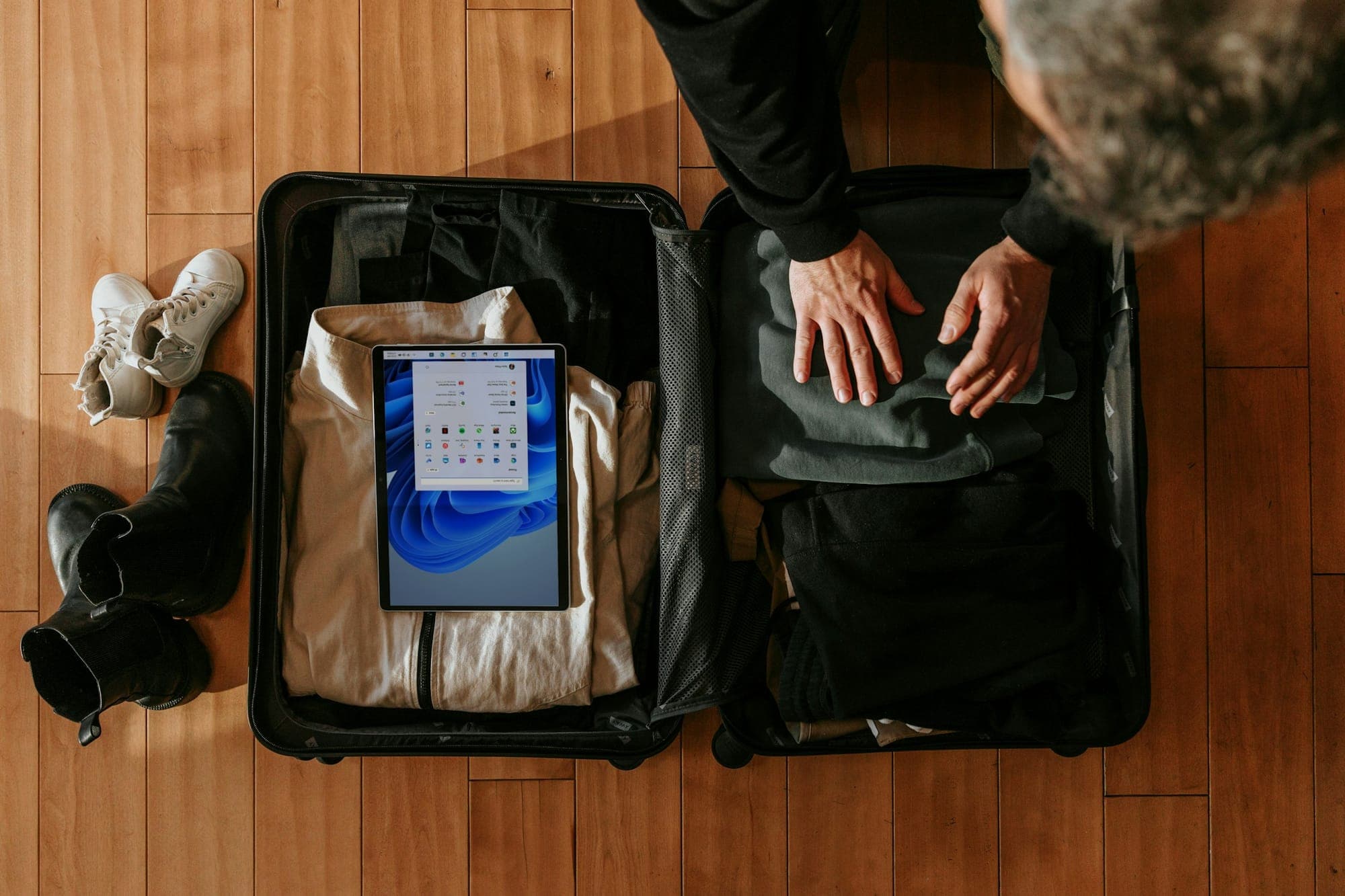
We suggest keeping medicines in original labelled packaging in your carry-on, with paper copies of your prescription and certificate of diagnosis in the same pouch as your passport, matching the paperwork to the medicines in your bag, and photographing the labels and documents before you fly so you can resend them to a specialist if Customs asks.
If your itinerary includes a long rail leg after arrival, we suggest telling your specialist what you are carrying so hotel nights and transfer buffers are planned rather than rushed transfers. Independent trips use the LocalKey app and 24/7 backup; a local guide or airport pickup remains an optional add-on. Private Guided trips include a private guide and private car throughout.
We suggest declaring proactively at the port of entry or exit, as Customs clearance is subject to on-site review.
What if you need a fresh supply or a doctor in China?
The UK Foreign, Commonwealth & Development Office advises that some medicines prescribed or bought in the UK may have a different legal status abroad, and that some may not be available in China or may not be allowed in (FCDO China travel advice). Its guidance is to bring enough medication for your trip or arrange a supply in China, and to check with your GP and the Chinese Embassy before you travel (FCDO medical treatment in China).
If a medicine is not available in public hospitals, the FCDO suggests considering clinics oriented towards foreign patients. If a medicine is available in China, doctors may want to carry out their own diagnosis before repeating a prescription issued elsewhere (FCDO medical treatment in China). For urgent help, the FCDO lists 120 as the emergency medical number in China, and also lists 999 for ambulance in Beijing.
For planning your appointments, see Seeing a Doctor in China 2026 and Medical Travel to China 2026. LocalKey handles logistics only; all medical care is provided by the hospital. Those pages cover hospital booking, and this article does not repeat that detail.
We suggest packing medicines in your carry-on rather than checked bags; see our what to pack for China notes for packing context. Arrival steps after you land are on the China airport arrival guide. Keep emergency contacts for China travel saved offline, including 120.
How does LocalKey help with the logistics?
LocalKey can arrange a checklist of documents to carry and a briefing before departure.
LocalKey can arrange the logistics around your medicine paperwork through private China tours. Independent (details): you travel on your own with the LocalKey app and 24/7 backup, with no full-time guide on any day; a local guide, airport pickup, or a private car and driver are optional add-ons. Private Guided (details): a private guide and a private car throughout. Your trip is planned, booked and backed. All medical care is provided by the hospital, and LocalKey does not give medical advice.
Plan your trip with LocalKey
If you carry ongoing prescriptions, talk to a LocalKey 1:1 specialist before you book. Message us on WeChat or WhatsApp; we reply 7×24.
Sources
- Chongqing Municipal Government — FAQ: carrying medicines for personal use — verified_on 2026-10-13
- Beijing Customs — Laws on personal carriage and mailing of medicines (28 Aug 2026) — verified_on 2026-10-13
- Haikou Customs — Requirements for carrying medicines inbound/outbound — verified_on 2026-10-13
- Shanghai Customs — Public reply on personal-use medicines (22 Aug 2025) — verified_on 2026-10-13
- UK FCDO — China travel advice: Health — verified_on 2026-10-13
- UK FCDO — Medical treatment in China — verified_on 2026-10-13