Updated 15 October 2026 · LocalKey consultant team
Mount Qingcheng near Chengdu is the Taoist mountain half of the UNESCO property Mount Qingcheng and the Dujiangyan Irrigation System, inscribed in 2000. We suggest giving the temple paths their own day rather than pairing them with the Dujiangyan weir on the same outing.
How do you visit Mount Qingcheng in 2026?
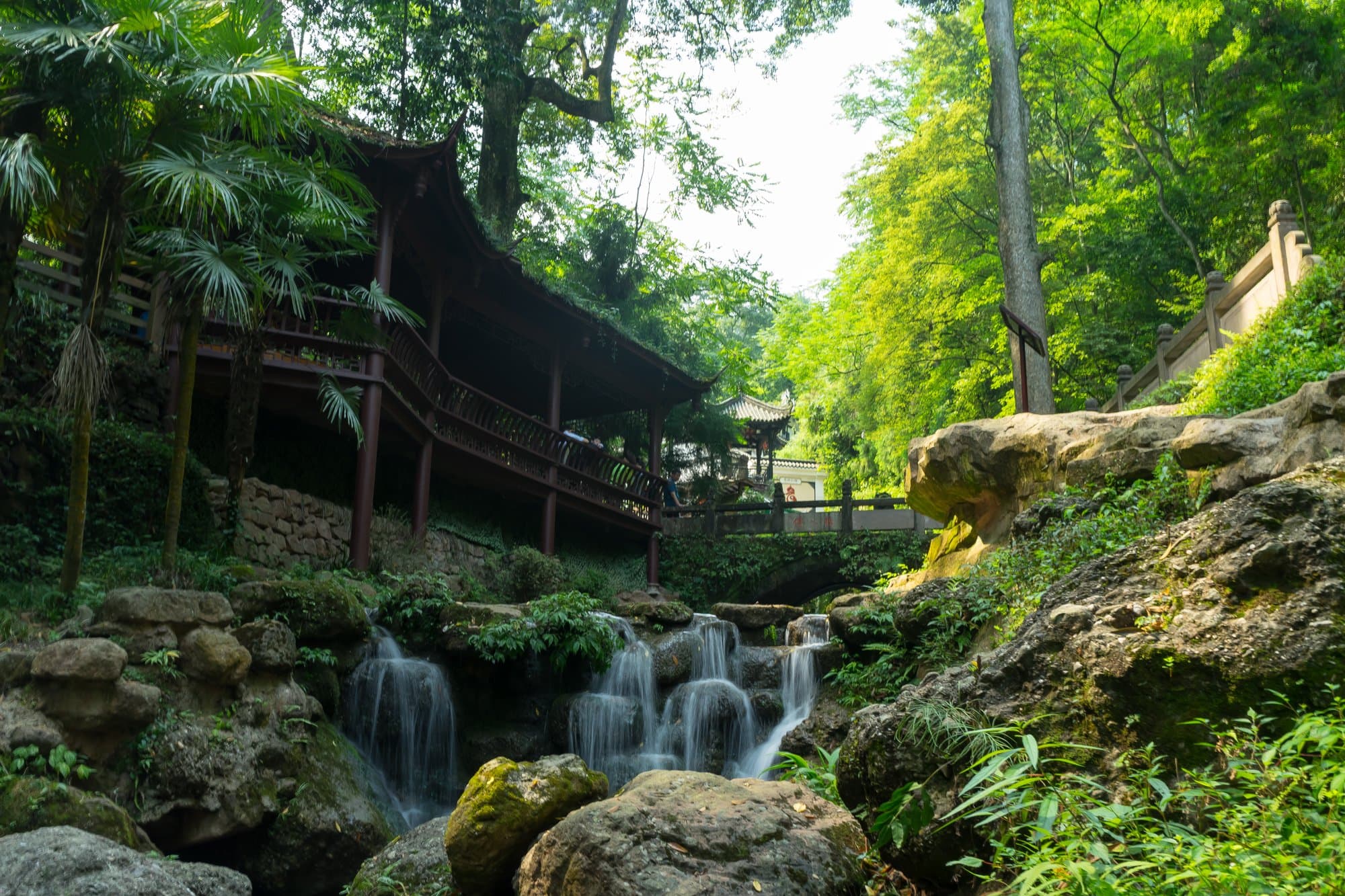
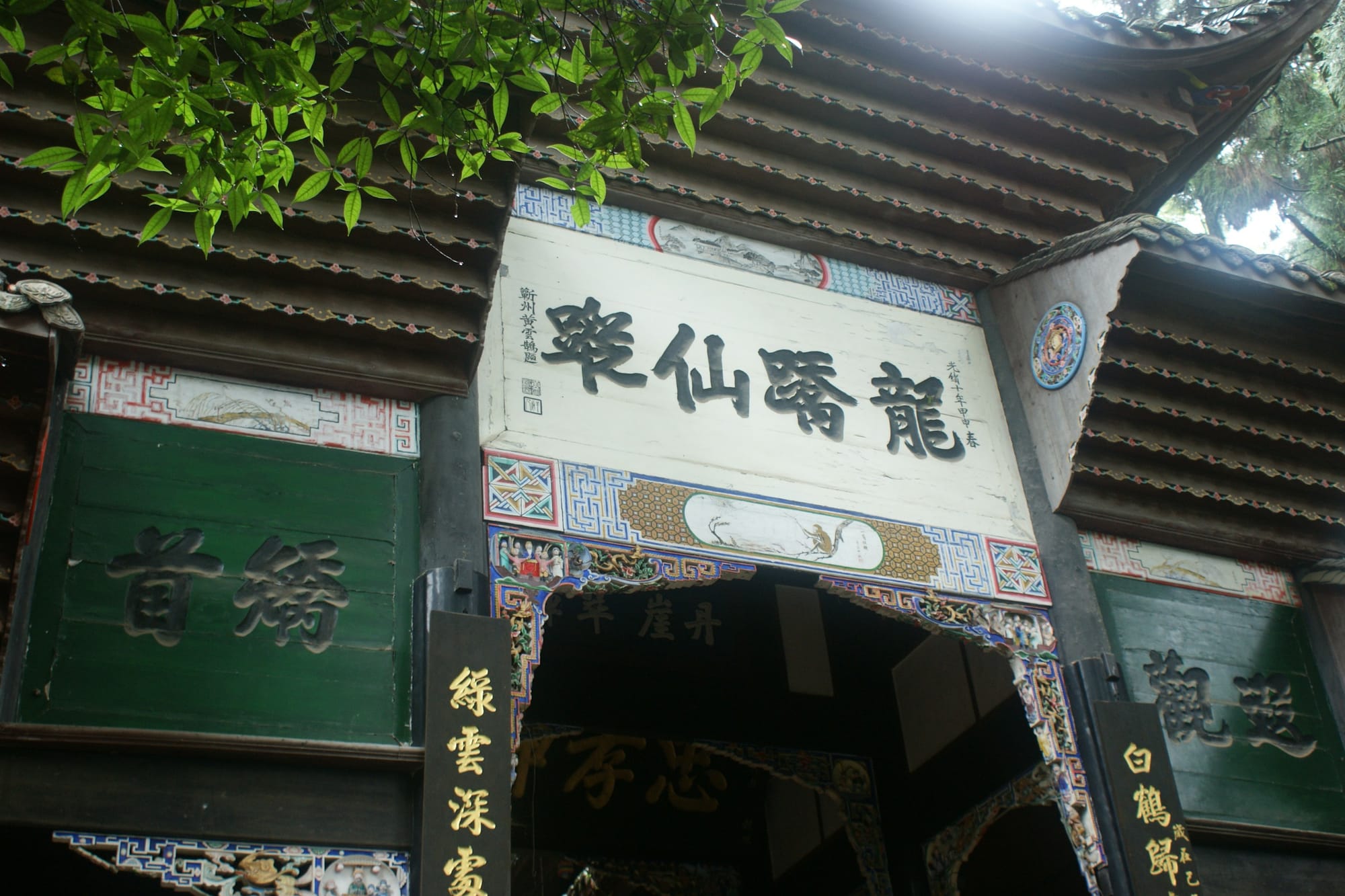
Mount Qingcheng was the birthplace of Taoism and is celebrated for a series of ancient temples, according to the UNESCO World Heritage Centre. Its temples are closely associated with the foundation of Taoism, which is the basis for its inclusion under criterion (vi).
| Item | What to know |
|---|---|
| Location | Dujiangyan City, Sichuan Province |
| Inscription | 2000, UNESCO World Heritage list 1001 |
| Criteria | (ii), (iv), (vi) |
| Main focus | Ancient Taoist temples on the mountain |
| Suggested pace | One dedicated day for the temple paths |
The property sits in Dujiangyan City, Sichuan Province, and it was inscribed in 2000 under criteria (ii), (iv) and (vi). Criterion (vi) is the one that speaks directly to Qingcheng, because the temples of the mountain are closely associated with the foundation of Taoism. China's National Cultural Heritage Administration (NCHA) lists the same property in Dujiangyan City and describes Qingcheng as the place where Chinese Taoism began, known for its old buildings. The NCHA site also carries a protection-plan reply for the property, document No. 189 of 2025. We only note that this reply exists and do not describe its contents here.
For a visitor, this tells you what kind of day to expect. Mount Qingcheng is a temple mountain first, a place celebrated for a series of ancient temples, so the day is about moving between those temples at an unhurried pace rather than ticking off a single viewpoint. We suggest you decide before you go whether you want to follow the main temple paths or leave room for quieter stretches, and let your LocalKey specialist shape the day around that choice.
We suggest the following approach for the day:
- Give the mountain a full day of its own, so the temples are not squeezed between other stops.
- Start early, so you reach the temples with energy left and can walk between them without watching the clock.
- Wear comfortable shoes and bring layers, because a temple mountain usually means walking and changeable conditions.
- Keep the end of the day flexible, so you can return to a temple you liked rather than rush to a schedule.
- Carry a charged phone and keep your bookings saved on it, and if you are travelling independently, keep the LocalKey app to hand for 24/7 backup.
None of this depends on anything beyond what the listing tells us about the mountain; it is simply how we would pace a visit built on those facts. If you would like a different rhythm, tell your specialist and we will adjust the plan.
Is Mount Qingcheng the same as Dujiangyan?
Mount Qingcheng and the Dujiangyan Irrigation System share one UNESCO listing, but they are two separate sites. The Dujiangyan weir works began in the 3rd century B.C. and still control the waters of the Minjiang River, distributing them to farmland on the Chengdu plains.
The UNESCO brief names three key components of the weir: the Yuzui Bypass Dike, the Feishayan Floodgate and the Baopingkou Diversion Passage. Those are the features that define the irrigation half of the property. Mount Qingcheng is the other half: the mountain and temple site, celebrated as the birthplace of Taoism. That makes one listing with two very different subjects, a working water-management system on one side and a set of ancient Taoist temples on the other.
Because the two are so different in character, we suggest planning them as different blocks of your itinerary. The temples invite a slow, reflective visit, while the weir is about understanding how a river is divided and controlled. We would rather not squeeze both into one rushed outing and shortchange each of them.
For the weir half, see our Dujiangyan Irrigation 2026 page, which covers the irrigation system in its own right. If you are building a Chengdu itinerary around both, we suggest reading that page alongside this one so you can decide which half to visit first.
A simple way to remember the difference is that Qingcheng is Taoism and Dujiangyan is water. UNESCO lists them together as one property under criteria (ii), (iv) and (vi), and criterion (vi) is the one tied to the Qingcheng temples. When you talk to us about your trip, it helps to say which of the two interests you more, because that decides how much time each one gets.
How do you get there from Chengdu, and how long do you need?
Both sites are based from Chengdu, and we suggest treating Qingcheng and Dujiangyan as separate days or blocks rather than one combined outing. Mount Qingcheng's temples reward a slower pace, so we suggest planning a full day for the mountain.
Your Chengdu base is a practical place to organise both sites, since you can return to the same accommodation and keep the rest of your Sichuan plans undisturbed. We do not suggest a fixed schedule or a pre-set combined route here. Instead, we suggest asking your LocalKey specialist to confirm the current routes and timings for your travel dates, so the plan reflects what is running when you actually go.
There are a few sensible ways to shape the time:
- Two separate days: one full day for the Qingcheng temple paths and another day for the Dujiangyan weir. This is the pace we suggest most often.
- One full day for Qingcheng and a separate, shorter block for Dujiangyan on another day, if your time in Chengdu is limited.
- A spare day between the two, if you would like to rest or add another Chengdu activity before the second site.
For general planning around the city, see our Chengdu destination page, which is a useful place to start when you are deciding how many days to spend in the region overall. We suggest setting up Alipay for Foreigners before the day.
Finally, we suggest leaving the exact order of the two sites flexible until closer to your dates. If the weather or your energy changes the plan, a separate-day structure lets you swap the mountain and the weir without disrupting the rest of the trip.
Do you need a tour to visit Mount Qingcheng?
LocalKey can arrange this trip as an Independent or Private Guided itinerary. Independent means you travel on your own with the LocalKey app and 24/7 backup, with no full-time guide on any day.
Within an Independent trip, a local guide, airport pickup or a private car and driver are optional add-ons that we can add on request. We suggest considering a local guide for the temple day if you would like the Taoist background explained as you walk, and keeping the rest of the trip fully independent. You can see how these itineraries are structured on our Independent itineraries section.
Private Guided means an English-speaking private guide and a private car throughout the trip. It suits travellers who would rather not manage routes and timings themselves, and who would like the temples and the weir explained by the same person on separate days. You can see how these itineraries are structured on our Private Guided itineraries section.
Choosing between the two comes down to how much you want to organise yourself. If you are comfortable moving around on your own and simply want reliable support behind you, Independent is the natural fit. If you would prefer a guide and a car at your side from start to finish, Private Guided is the better match. Either way, we suggest keeping Qingcheng and Dujiangyan on separate days.
When you contact us, it helps to tell us how many days you have in Chengdu, whether the temples or the weir interest you more, and whether you would like an optional add-on. With those three answers, we can propose a plan quickly and adjust it as your dates firm up.
Plan your trip with LocalKey
LocalKey can plan, book and back your own China trip, so you can focus on the temples. Message our 1:1 specialist on WeChat or WhatsApp, available 7×24, to compare Independent and Private Guided options for Mount Qingcheng and Dujiangyan. Your own China trip — planned, booked and backed — can be arranged around the mountain and the weir as separate days.
To see how our itineraries fit together across the country, browse our private China tours. We suggest sharing your dates and your Chengdu plans first, so your specialist can place the Qingcheng day and the Dujiangyan day where they suit you best.
Sources
- UNESCO World Heritage Centre — Mount Qingcheng and the Dujiangyan Irrigation System — verified_on 2026-10-15
- NCHA — Mount Qingcheng–Dujiangyan — verified_on 2026-10-15
- NCHA protection-plan reply, document No. 189 of 2025 — verified_on 2026-10-15