Updated 28 September 2026 · LocalKey consultant team
The story
Po, the Valley of Peace, martial arts, dumplings and Sichuan’s giant pandas give Kung Fu Panda a China-shaped world that many travellers recognise immediately. The films are animated, however: this guide maps studio research and artistic inspiration to real places in and around Chengdu. It does not suggest that the films were filmed in Chengdu or at any of the locations below.
The strongest travel connection is a compact Sichuan frame: Chengdu for pandas, food and neighbourhood life; Mount Qingcheng for Taoist heritage and mountain scenery; and the Dujiangyan area for a cultural landscape that can be visited alongside Qingcheng.
The real places behind the story
Chengdu Research Base of Giant Panda Breeding
The Chengdu Research Base of Giant Panda Breeding is the clearest real-world starting point. The official English hub identifies the base at 1375 Panda Avenue, Chenghua District, Chengdu: Chengdu Research Base of Giant Panda Breeding.
According to a 2013 Fortune transcript, Jennifer Yuh Nelson described the production team’s research trip to the Chengdu Panda Breeding and Research Center. The nursery experience helped inspire the baby Po material, while the pandas themselves gave the artists a direct connection to the animal at the centre of the story. Read the Fortune transcript.
For travellers, the base is not simply a film reference. It is a working conservation and visitor site, and an early visit usually fits well with animal activity and the rest of a family day. Keep the visit focused: allow time for the grounds, shaded paths and viewing areas, then leave room for Chengdu’s tea and food culture rather than trying to combine every city sight on the same morning.
Mount Qingcheng
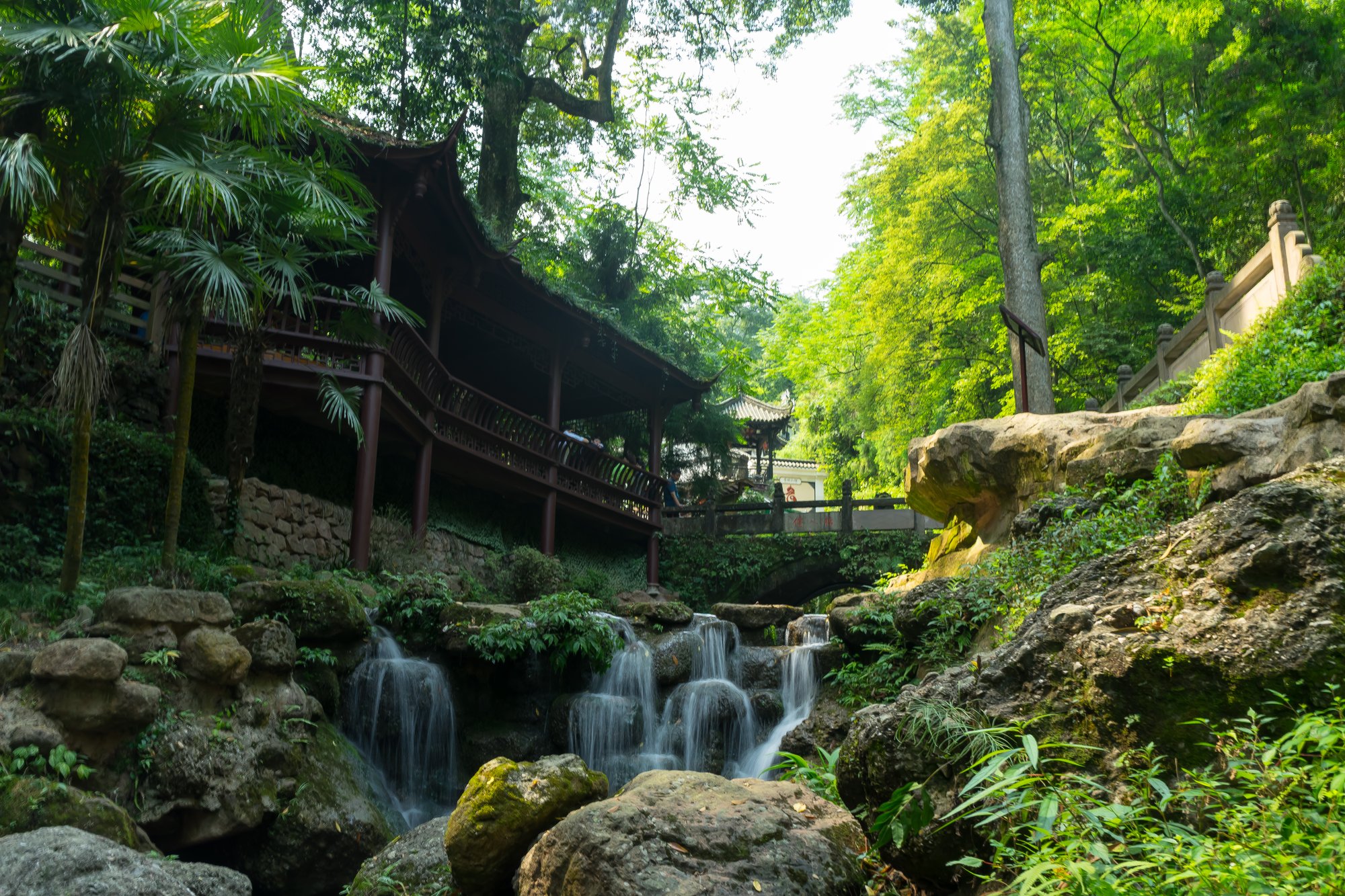
Mount Qingcheng, also written as Qingcheng Mountain, lies near Dujiangyan to the west of Chengdu. It is a mountain landscape associated with Taoism, wooded paths, temples and misty scenery. The site forms part of the UNESCO World Heritage property “Mount Qingcheng and the Dujiangyan Irrigation System,” listed in 2000. UNESCO World Heritage Centre
The Fortune transcript records Nelson’s description of Qingcheng as a Taoist centre and identifies the mountain as a direct influence on the final shot of Kung Fu Panda 2. The filmmakers studied details including Sichuan architecture, moss, wood carving and diffused mountain light. The team even wrote the mountain’s name on a rock as a tribute during the research process.
A separate China Daily report describes the production team’s Chengdu visit in October 2008, including stops at the panda base, Mount Qingcheng and the Jinsha Site Museum. It also reports on a martial arts performance at Qingcheng and connects local landscapes and structures with elements seen in the animated films. These details are useful as press-reported context, while the Fortune interview remains the stronger primary source for Nelson’s account. China Daily report via the Internet Archive
Chengdu city texture
Chengdu itself supplies much of the cultural atmosphere that visitors associate with the film: teahouses, local snacks, open-air food streets, carved wood, courtyards and a relaxed rhythm of neighbourhood life. Press coverage of the production research also mentions Chengdu architecture and the city’s food culture as part of the visual and sensory material studied by the artists.
Treat those connections as reported film texture rather than a list of confirmed one-to-one locations. The useful travel question is not “Which street became the Valley of Peace?” but “Which parts of Chengdu help me understand the visual and cultural world the artists drew on?”
| Inspiration claim | Source type | Travel note |
|---|---|---|
| The production team visited the Chengdu panda research centre | Interview transcript | Visit the current official panda base, subject to its operating rules |
| Baby Po drew on observations at the panda nursery | Interview transcript | The panda base is a real conservation site, not a film set |
| Qingcheng influenced the Taoist setting and the final mountain image | Interview transcript | Plan a separate Qingcheng day for the temple path and mountain landscape |
| Sichuan architecture, moss, wood carving and mist light informed the visual world | Interview transcript | Look for these details in Chengdu and Qingcheng rather than searching for a filming location |
| Some local buildings and performances were linked to film elements in press coverage | Chinese press report | Keep these claims attributed as reported connections |
The culture behind it
Taoism on Qingcheng
Qingcheng’s importance predates its connection with the films. It is associated with the development of Taoism and with mountain temples set among forested slopes. The UNESCO property combines Qingcheng’s religious landscape with the Dujiangyan Irrigation System, a major historic water-management project.
A Qingcheng day can therefore work at two levels: a film-inspired landscape visit and a genuine cultural excursion. The temple route involves steps, uneven surfaces and changing weather, so comfortable shoes and a flexible pace matter more than trying to cover every point. The separate Qingcheng Taoist temple-path guide owns the detailed temple and route guidance.
Front Mountain and Back Mountain are separate areas with different travel patterns. Do not assume that a ticket, entrance, shuttle arrangement or opening time for one applies to the other. Reconfirm the scenic-area information before departure.
Panda conservation as a reason to visit
The giant panda is a strong reason to include Chengdu even if you have no particular interest in the film. A visit connects the city with one of China’s most recognisable conservation efforts and gives children a concrete introduction to habitat, breeding and animal care.
The base is best treated as a morning anchor. Animals may be more active earlier, but conditions and viewing opportunities vary. Keep expectations realistic: this is an operating research and visitor environment, not a staged performance. Follow current visitor rules and avoid building an entire day around a single viewing point.
Food, tea and the Sichuan basin
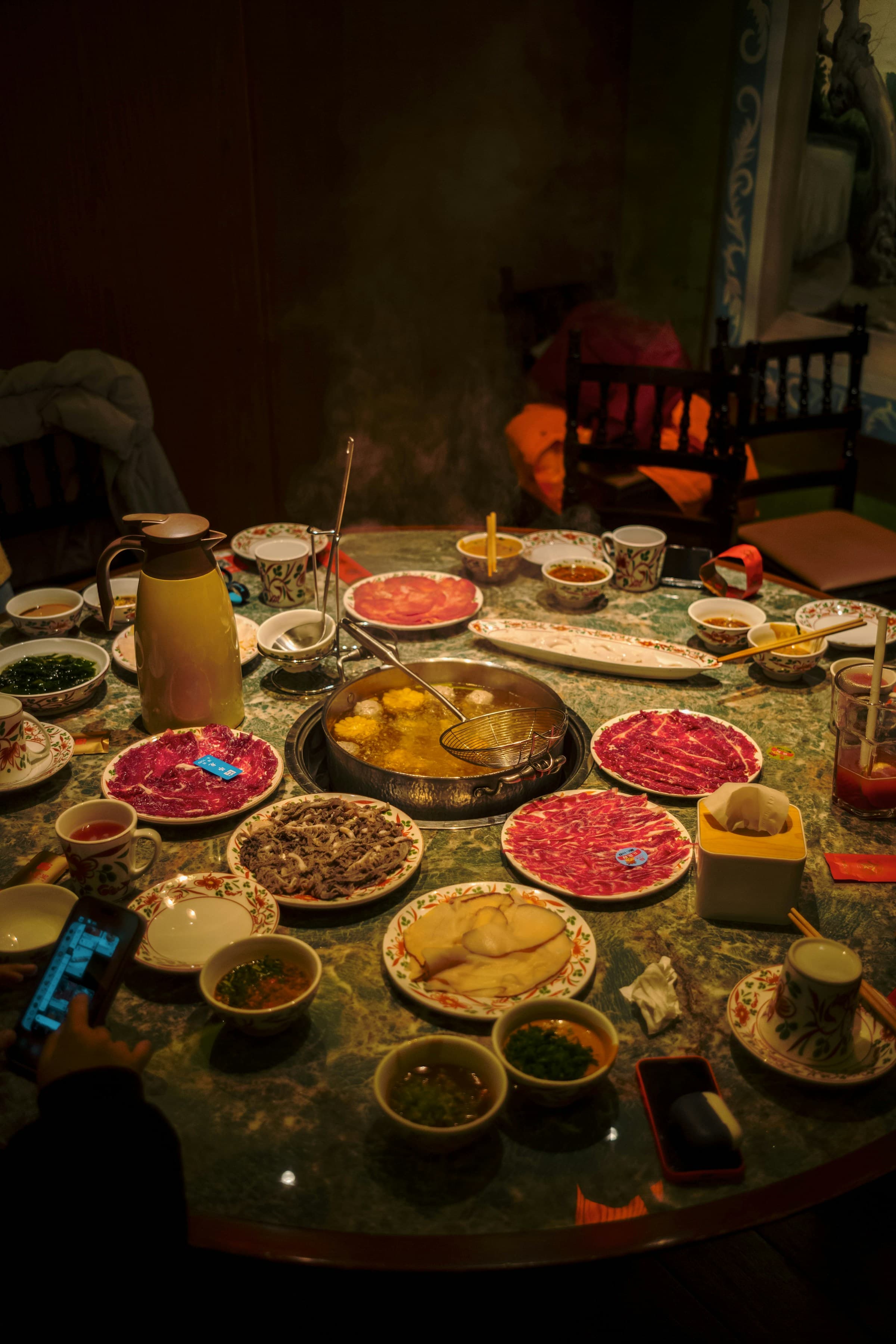
Chengdu also rewards travellers who come for the food rather than the film. Sichuan cooking, local noodles, dumplings, tea culture and small neighbourhood restaurants provide a strong sense of place. Spice levels vary, and family meals can be planned around milder dishes, rice, noodles and seasonal vegetables.
Tea houses and lanes make useful low-pressure stops between major visits. They also help balance a schedule built around pandas and mountain paths: one day can be active and outdoors-focused, while the next can move more slowly through food, tea and city streets.
How to go
Use Chengdu as the gateway
Start with the LocalKey Chengdu city guide for arrival planning, neighbourhood orientation and city logistics. Chengdu is the practical base for the panda visit and the main access point for Qingcheng and Dujiangyan.
Most international visitors arrive by air, while Chengdu is also connected to other Chinese cities by high-speed rail. For domestic rail planning, see 12306 train tickets for foreigners. If your wider itinerary includes Chongqing, the high-speed rail connection makes a Chengdu–Chongqing extension straightforward to consider, subject to current schedules.
Allow three to five days
A compact family frame can work in three full days:
- Arrive in Chengdu, settle in and explore a nearby food or tea neighbourhood.
- Visit the panda base in the morning, then return to Chengdu for lunch, tea and an easy afternoon.
- Spend the day around Qingcheng and Dujiangyan, following the temple-path plan in the Qingcheng Taoist guide.
Four or five days gives the trip more breathing room. Add a second Chengdu culture day, separate the Dujiangyan irrigation site from the Qingcheng temple route, or include a Chongqing extension. For commercial sample routes covering the Chengdu basin and optional Chongqing, see Chengdu–Chongqing private tour ideas.
| Trip length | Practical frame |
|---|---|
| 3 full days | Chengdu arrival and city time, panda morning, Qingcheng and Dujiangyan day |
| 4 full days | Add a slower Chengdu food-and-tea day or separate Dujiangyan visit |
| 5 or more days | Add Chongqing or allow more flexibility for weather and family pace |
Choose the season around comfort
Spring and autumn are often comfortable periods for combining Chengdu streets with Qingcheng’s forest paths. Summer can be warm and humid in the basin, with rain affecting mountain visibility and trail conditions. Winter is quieter and can offer atmospheric mountain weather, but pack layers and check conditions before setting out.
The best season depends on your priorities: animal viewing, comfortable walking, mountain mist, school holidays or a wider China itinerary. A flexible plan is valuable because the city and mountain environments can feel very different on the same day.
Panda booking pointer
Reservation rules and daily caps change — reconfirm on the Chengdu Research Base of Giant Panda Breeding official channel (verified_on 2026-09-28) before you travel. The current official notice describes real-name advance booking, limited daily capacity and booking through the official WeChat channel or authorized platforms. It also notes that foreign visitors without a Chinese mobile number may use Trip.com or the on-site Cash and Cards window when tickets remain, with passport or other-document entry procedures.
Use the official English panda base hub and the official visitor notice. Do not rely on an old permanent gate price or assume that on-site entry will be available.
A practical route sequence
A sensible sequence is:
- Soft-land in Chengdu and keep the first evening local.
- Visit the panda base in the morning.
- Spend the afternoon on Chengdu tea, food and lanes.
- Take a Qingcheng Front Mountain temple-path day on the Dujiangyan side.
- Treat the Dujiangyan irrigation site as a separate optional stop rather than squeezing it into every Qingcheng plan.
- Add Chongqing only if the wider trip has enough time.
The Mount Qingcheng photography guide is useful if landscape and light are a primary interest. It covers photography rather than temple-path logistics.
For wider entry planning, check the current 240-hour visa-free China guide and Alipay for foreigners where relevant to your passport and itinerary.
Build this trip with LocalKey
There are two useful ways to shape this story into a real Sichuan journey:
- Independent: choose the route and accommodation framework, with a local guide as an optional add-on on the days you want one. This suits travellers who want flexible Chengdu time and a calm planning rhythm.
- Private Guided: build the panda, Chengdu culture and Qingcheng days around your family’s pace, interests and walking comfort.
- Inquiry: if you want to combine Chengdu, Qingcheng, Dujiangyan and Chongqing, send a private China trip inquiry.
For family-focused ideas, browse LocalKey family experiences. For a broader product overview, compare Independent with Private Guided.
The film is a useful starting point, but the reward is the real journey: pandas in Chengdu, Taoist mountains near Dujiangyan, Sichuan food and tea, and enough time to experience each place beyond its connection to a screen. LocalKey can help turn that inspiration into your own China trip — planned, booked and backed.
Sources
- Jennifer Yuh Nelson and Jeffrey Katzenberg interview, Fortune, 2013
- China Daily report on the Chengdu research visit, archived by the Internet Archive
- UNESCO World Heritage Centre: Mount Qingcheng and the Dujiangyan Irrigation System
- Chengdu Research Base of Giant Panda Breeding official English hub
- Chengdu Research Base official visitor notice, verified 2026-09-28
FAQ
Was Kung Fu Panda filmed in Chengdu?
No. The films are animated. Chengdu, Mount Qingcheng and the panda base are connected to studio research, inspiration and reported visual influences, not live-action filming locations.
What did the filmmakers draw on in Chengdu?
The research included the Chengdu panda research centre, Qingcheng’s Taoist mountain setting, Sichuan architecture, moss, wood carving and mountain light. Press coverage also reported visits to the Jinsha Site Museum and a martial arts performance at Qingcheng.
Can you visit Qingcheng and the panda base together?
Yes, but they work better as separate visits. The panda base is in Chengdu, while Qingcheng is near Dujiangyan and needs a dedicated mountain day. A three-day frame can include both, with the panda base in the morning and Qingcheng on another day.
How many days do you need for a Chengdu family frame?
Allow at least three full days for Chengdu city time, a panda-base morning and a Qingcheng–Dujiangyan day. Four or five days gives more space for food, tea, weather flexibility or a Chongqing extension.
What is the difference between Independent and Private Guided?
Independent planning gives you a flexible route, with a local guide as an optional add-on on the days you want one. Private Guided planning adds coordinated transport, local guidance and itinerary shaping around your family’s pace and interests.
How does this differ from the Qingcheng temple guide?
This article explains the film-research connection between Chengdu, the panda base and Qingcheng. The Qingcheng Taoist guide owns the detailed temple-path and practical Qingcheng visit guidance.