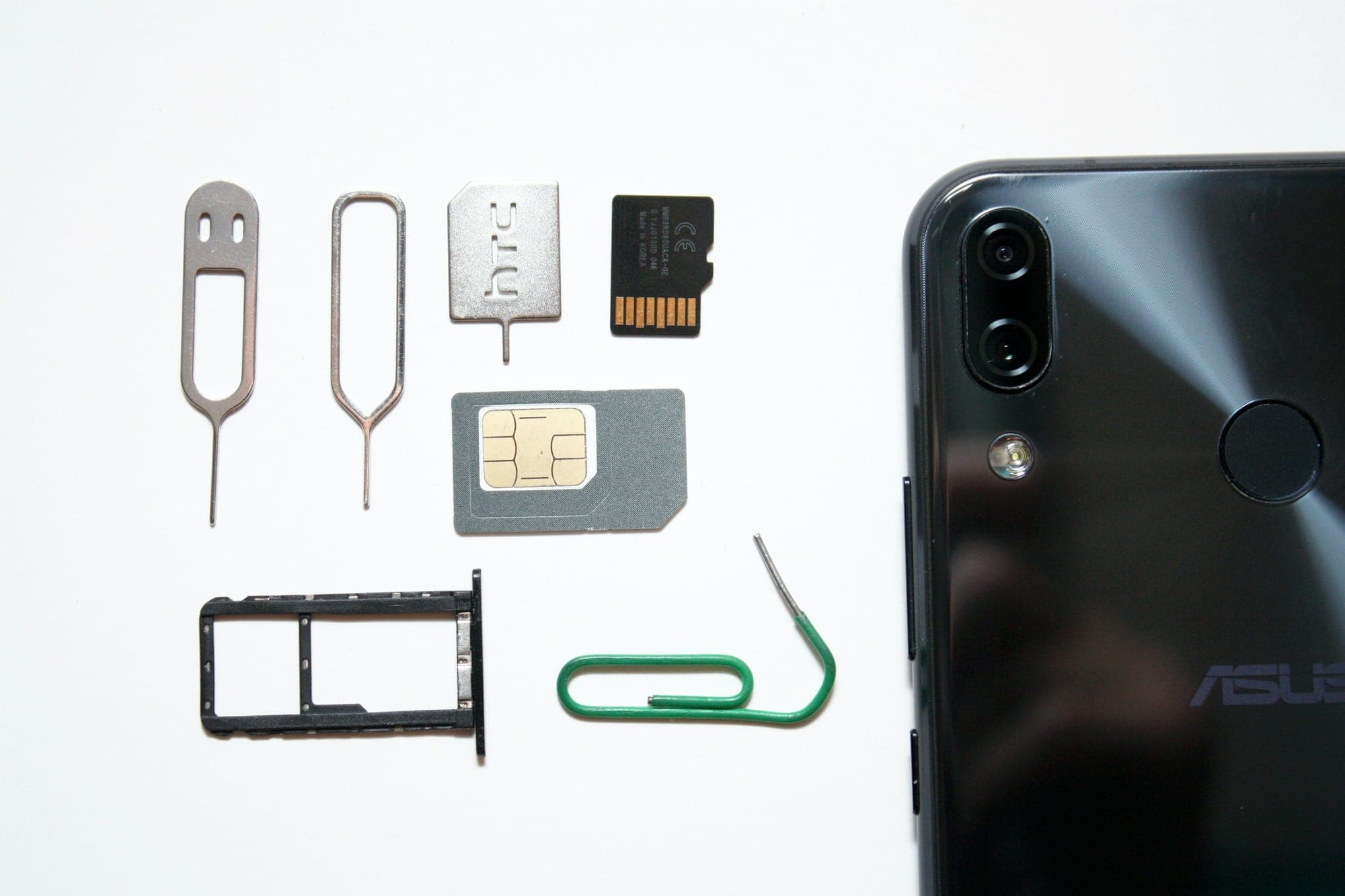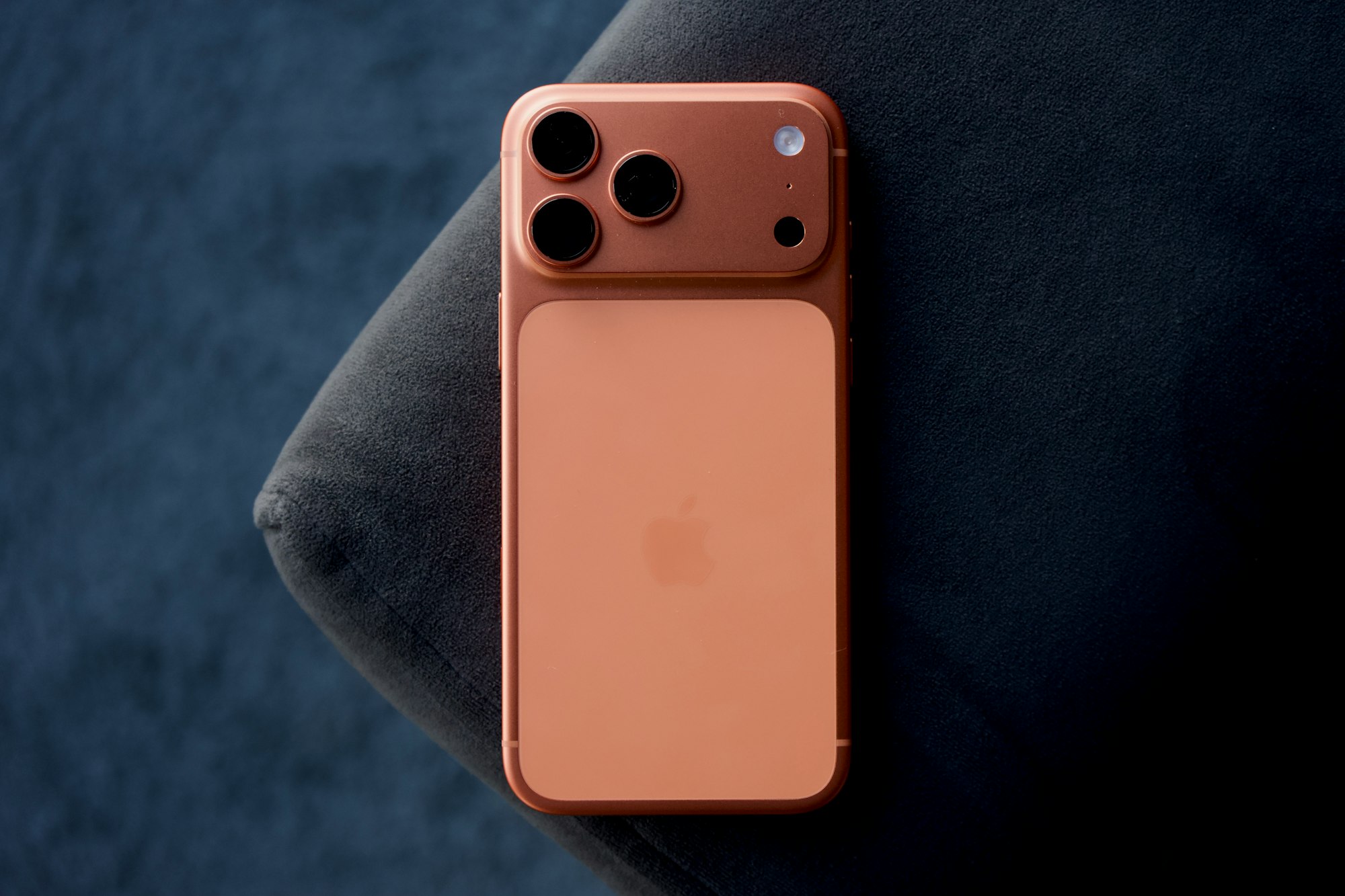
A3715 is the iPhone 18 Pro and A3718 is the iPhone 18 Pro Max, two of the models Apple lists for China mainland eSIM. Apple.cn lists dual-SIM as two nano-SIM cards, or one nano-SIM and one eSIM, or two active eSIMs. That is dual-line dual-standby. It is never "two physical SIMs plus two eSIMs all running at once."
If you are comparing iPhone 18 Pro or iPhone 18 Pro Max configurations for a trip through China mainland, the traveler-relevant fact is on Apple's China specs page — not on a reseller screenshot and not on a forum rewrite. This page helps independent travelers plan their mobile setup in 2026 using verified official information, while keeping LocalKey's role clear. The live products here are Independent and Private Guided trips. We can schedule Apple Store and carrier-store logistics around your itinerary. We do not sell phones. We do not guarantee stock. We do not guarantee savings.
Our guides focus strictly on practical travel planning. We do not promote commission-based tourist markets, staged shopping stops, or retail merchandise.
What dual-SIM modes does the China iPhone 18 Pro support?
Apple.cn lists three mutually exclusive dual-line modes for iPhone 18 Pro and iPhone 18 Pro Max: two nano-SIM cards, one nano-SIM card and one eSIM, or two active eSIMs. They run as dual standby, never as four concurrent lines.
Open the live specs page and read the SIM line before you buy anything:
https://www.apple.com.cn/iphone-18-pro/specs/
On the China mainland Apple storefront specs for iPhone 18 Pro and iPhone 18 Pro Max, dual-SIM is described as:
- two nano-SIM cards, or
- one nano-SIM card and one eSIM, or
- two active eSIMs
Those three options are alternative dual-line modes under dual standby. They are not four lines you can run at once. Footnotes on the specs page confirm dual-standby behavior and point you to carrier rules for eSIM. If a forum post claims you can run two physical SIMs and two eSIMs simultaneously on a China mainland Pro, treat that post as wrong until Apple rewrites the spec.
Which iPhone is A3715 and which is A3718?
A3715 is the iPhone 18 Pro and A3718 is the iPhone 18 Pro Max in the model list that footnotes and Apple Support pages give for the China eSIM path, along with related companion models listed in official technical documentation. Check the model code on the retail packaging and in Settings > General > About before assuming a mainland carrier will accept the device for an eSIM profile.
Is China the only market with a physical SIM tray on iPhone 18 Pro?
No. China mainland Apple specs retain a two nano-SIM tray, while several major markets, including the United States, Japan, Canada, and the UAE, ship Pro models as eSIM-only.
Apple has moved the Pro lineup to eSIM-only in several major markets, including the United States, Japan, Canada, and the UAE. That shift is why international travelers look closely at China mainland hardware. It does not mean China is the only place on Earth with a physical SIM tray.
Keep the global landscape straight:
- Some markets ship Pro models as eSIM-only, with no physical tray.
- Other non-eSIM-only markets still ship a single nano-SIM tray alongside eSIM.
- China mainland Apple specs retain a dual-sided two nano-SIM physical tray, alongside the hybrid and dual-eSIM modes.
The distinction is simple: China mainland offers a dual nano-SIM option on iPhone 18 Pro and Pro Max per Apple.cn, while several major markets eliminated the physical tray entirely. Some resellers claim that China is the only country with physical SIMs, but that is inaccurate.
If your home market only sells eSIM-only Pro models and you depend on two physical cards for overseas work, corporate roaming, or cross-border travel, that is a legitimate planning reason to check the China configuration. It is not an excuse to gamble on grey-market shortcuts.
When was the iPhone 18 Pro announced and when does it ship?
Apple announced the iPhone 18 Pro family during its September 2026 keynote window, around September 9. Typical timelines place pre-orders near September 12 and retail availability around September 18. Treat those dates as calendar markers to confirm directly on Apple.cn and official checkout pages on the morning you plan to buy. This guide does not publish unverified Apple Store opening hours, queue wait times, pickup slots, or city-by-city stock counts.
Base iPhone 18 models may follow a separate launch window. This page addresses only iPhone 18 Pro and iPhone 18 Pro Max China mainland SIM modes. It does not speculate on base-model hardware.
How do I activate an eSIM on an iPhone 18 Pro in China mainland?
Visit an authorized China Mobile, China Telecom, or China Unicom service hall in person with your passport or government ID. Domestic mainland eSIMs cannot be activated via instant airport QR codes found on travel blogs.
Apple maintains a dedicated support document covering eSIM on iPhone in China mainland:
https://support.apple.com/en-us/123879
The operational facts from Apple Support and storefront footnotes:
- Supported China mainland eSIM models for this cycle include iPhone 18 Pro (A3715) and iPhone 18 Pro Max (A3718), plus companion models officially listed by Apple. Stick to published model lists; do not guess.
- iPhones bought outside China mainland cannot install eSIM profiles from China mainland carriers.
- China Mobile, China Telecom, and China Unicom are the authorized carriers supporting eSIM in China mainland.
- Activation requires visiting an authorized carrier service hall in person with your passport or government ID. Domestic mainland eSIMs cannot be activated via instant airport QR codes found on travel blogs.
- You can store up to two active eSIM profiles on supported China mainland hardware, subject to dual-standby rules — never four concurrent lines.
- Initial device activation on iPhone 18 Pro and Pro Max works with either an active nano-SIM card or an authorized carrier eSIM.
- Outside China mainland, a China-purchased eSIM-capable iPhone can install local travel eSIMs from non-China carriers when Location Services are enabled. Apple restricts installing non-China carrier eSIMs while physically located inside China mainland. If both eSIM slots are full, one must be deleted to install a travel plan, and reactivating a deleted China domestic eSIM later may require another in-person carrier store visit.
Bring your original passport or identity card. Ensure the handset is powered up and updated before you reach the counter, and back up your data in advance. Follow counter staff instructions rather than old forum threads.
LocalKey can arrange private transfers and bilingual guide support on Private Guided so a carrier store stop fits cleanly into your itinerary. We do not act as a telecom reseller, and all identity verification and account setup remain between you and the carrier.
Three modes, one planning worksheet
Use this clear framework to map your setup. Check each item against live Apple and carrier documentation before you travel:
Mode A — Two nano-SIM
- Best when both lines require physical cards you can swap by hand between handsets.
- Verify that both card slots and both mobile accounts support your target voice and roaming packages.
- Confirm default voice and cellular data routing in iOS Settings > Cellular after inserting both cards.
Mode B — One nano-SIM + One eSIM
- Best when keeping one physical home or roaming card while adding a verified mainland domestic eSIM.
- Confirm that your exact handset model matches an authorized China mainland hardware code (such as A3715 or A3718).
- Review carrier service hall requirements for foreign passport accounts before heading to the store.
Mode C — Two eSIMs
- Best when you want an entirely digital cellular setup without physical cards.
- Remains strictly a dual-line dual-standby setup, not four channels.
- Requires an in-person carrier counter visit with ID to provision domestic mainland profiles.
There is no supported configuration for running two physical SIMs and two eSIMs simultaneously as four active lines. Hardware antennas and baseband firmware do not support four concurrent active lines.
Shopping math belongs on the sibling page
This guide covers SIM engineering and carrier logistics. It does not publish currency exchange tables. If you are calculating whether buying a phone in China mainland helps offset trip costs after fees and taxes, read our companion analysis:
China Travel Shopping 2026: Offset Trip Cost Without a Free-Trip Promise
That sibling page details price checks between Apple.cn and international portals, departure tax-refund desks, grey-market hazards, and LocalKey service boundaries, without estimated price tables.
Run this verification checklist before buying:
- Match the exact model code, storage tier, and color on Apple.cn and your domestic Apple storefront the same morning.
- Confirm which SIM setup you actually need — dual nano-SIM is a distinct hardware choice from an eSIM-only domestic model.
- Verify AppleCare and warranty coverage terms for that serial number once taken out of China mainland.
- Confirm with your home carrier that the imported model and its cellular bands will work on their network.
- Ask the retail counter for departure tax-refund documentation before assuming you will receive a rebate.
- Check home-country customs allowances, personal exemptions, and duty rates on arrival.
If the verified price gap after foreign card margins, transit costs, and administrative time is smaller than the cost of one solid hotel night, buy the phone at home where you can service it easily, and enjoy the travel itinerary you planned.
Payments are logistics, not an affiliate layer
Official Apple Stores and carrier service halls operate primarily on mobile payments. Set up Alipay and WeChat Pay with your foreign credit card well before visiting a retail counter:
Carry an international chip card and a small cash reserve as backup for retail payment terminals. Run a small test transaction at a convenience store or cafe before attempting a high-value purchase. Always decline dynamic currency conversion (DCC) at the payment terminal unless your bank advises otherwise. This guide does not endorse specific retail banks.
How LocalKey fits — and where we stop
LocalKey operates as Guangdong Xingcheng International Travel Agency Co., Ltd., coordinating independent travel through our core product lines.
What we do on Independent and Private Guided trips:
- Schedule Apple Store and carrier counter stops into realistic travel routes so errands never collide with high-speed rail departures or photography sunrises.
- Book private vehicle transfers between official retail centers.
- Provide bilingual travel guides on Private Guided itineraries to assist with verbal translation at customer service desks and carrier counters, without pushing products.
- Coordinate hotel luggage storage when hardware is purchased early in a multi-city journey.
What we do not do:
- Sell iPhones, SIM cards, or grey-market stock.
- Guarantee retail store stock or reservation slots.
- Guarantee that any hardware configuration will be cheaper than home pricing.
- Promise that electronics shopping will pay for airfare or hotel expenses.
- Run group shopping tours or commission-driven market walks.
- Sell food packages or retail merchandise.
- Sell ethnic-costume photo sessions or commercialized identity-themed shopping attractions.
- Provide official immigration or visa advice.
Travelers looking for rigid tour buses that stop at wholesale markets for commissions belong in a completely different sector. China Group Tours or a Custom Trip breaks down that structural divide.
A practical half-day shape (no invented minutes)
When an electronics purchase or carrier visit is part of an urban itinerary, structure the morning with care:
- Confirm target model, storage capacity, color, and SIM mode on Apple.cn the night before.
- Confirm that mobile payment apps on your phone are active and working with your linked cards.
- Check whether your carrier visit requires an appointment or accepts walk-ins.
- Head straight to one official Apple Store cluster rather than scouring electronics districts.
- If domestic eSIM setup is needed, proceed to an official China Mobile, China Telecom, or China Unicom service center with your passport.
- Photograph all purchase receipts and store departure tax-refund forms in your travel document pouch.
- Return to your sightseeing route without letting retail errands eat into reserved museum slots.
Live city traffic dictates transit times, so we do not publish estimated drive minutes. A private vehicle on a Private Guided day protects your itinerary schedule; it does not create retail stock or bypass administrative steps.
Grey market and unauthorized sellers
Buying electronics through unauthorized channels carries severe risk for international travelers.
Grey-market resellers often post exaggerated discount claims while concealing critical hardware details. Unofficial channels carry known dangers: swapped internal components, counterfeit packaging, incorrect regional model variants, zero tax-refund documentation, voided warranty protections, and zero consumer recourse during payment disputes.
WeChat private vendors in message threads are not Apple. Hotel concierges with informal sourcing contacts are not authorized distributors. Street vendors selling sealed boxes without official invoices are unauthorized outlets.
LocalKey never introduces grey-market vendors. Requests to shop unauthorized markets fall outside our service scope. Our travel logistics rely entirely on official retail stores, valid documentation, and published carrier processes.
Warranty, radio, and home-carrier acceptance
A device that seems cheaper at checkout becomes an expensive headache if domestic warranty repairs are refused after you return home. A phone with physical dual-SIM trays that you cannot service locally costs real time and money.
Review these questions before you decide:
- Will authorized service centers in your home country repair this specific foreign model identifier?
- Will your home mobile network activate this model for postpaid plans and digital eSIM transfers?
- Do you need a China mainland eSIM only for this trip, or does it serve a permanent purpose?
- Are you buying a dual nano-SIM device because your work genuinely requires two physical cards at home?
If you cannot answer these questions using official documentation, do not rely on speculation from online message boards.
Combining this day with shopping or photography
Many independent travelers pair urban retail logistics with landscape photography days. Keep those two worlds separate. A photography sunrise at Mount Qingcheng is a wilderness shoot — see Mount Qingcheng Photography 2026. An Apple Store and carrier counter stop is an urban logistics block. Do not mistake scenic retail stalls for authorized electronics counters.
For full guidance on departure tax refunds and spending limits, consult our companion shopping guide. For digital wallet setup, refer to our Alipay and WeChat Pay guides. This page remains focused on SIM hardware modes and carrier compliance.
Traveling out after a China purchase
When leaving China mainland with an eSIM-capable Pro, Apple Support provides clear guidance on adding local travel eSIM profiles abroad with Location Services enabled. Remember that Apple does not allow installing non-China carrier eSIM profiles while the handset remains physically located inside China mainland. In addition, holding two active eSIM profiles fills your available slots; adding a travel profile may require deleting a domestic profile, and reinstating that domestic profile upon re-entry may require another in-person visit to a mainland carrier store. Factor that administrative time into your itinerary.
Travelers relying on dual nano-SIM cards must verify international roaming terms on both physical lines before departing. Roaming agreements and rate structures vary widely by carrier and plan type.
Quantity and customs discipline
Social media posts often suggest buying multiple handsets to subsidize a trip. Real travel planning focuses on what you can legitimately carry, declare, insure, and service.
Ask these practical questions for each additional device:
- Does customs at your home border classify the quantity as personal goods or commercial merchandise?
- Do warranty terms permit registering multiple foreign serial numbers under one identity?
- Do airline safety rules permit the total lithium-battery count in your carry-on luggage?
- Does the airport tax-refund desk require presenting unused goods in unopened packaging?
If any answer is uncertain, keep your purchase to a single unit. A single verified personal handset is far safer than a multi-device haul that gets flagged at customs. LocalKey is not a customs brokerage and does not establish personal duty exemptions for US CBP, UK HMRC, or Australian Border Force. Always check official customs websites in your home country.
What success looks like on a real trip
A successful travel day is measured by clean logistics, not shopping hauls:
- One verified purchase from an official retail store, or a deliberate decision not to buy.
- A SIM configuration — dual nano-SIM, hybrid, or dual eSIM — chosen to match your real communication workflow.
- Carrier eSIM activation completed with proper ID verification, without derailing your travel schedule.
- Legitimate receipts and tax-refund paperwork stored safely.
- Zero grey-market entanglements.
- Clear understanding of whether the price gap made practical sense, without exaggerated claims.
Leaving China without buying a new phone is often the smartest choice. SIM planning is about communication logistics, not obligatory shopping.
What LocalKey offers, because searchers still ask
LocalKey arranges independent travel through Independent and Private Guided trips. We do not sell group shopping tours. We do not sell phones or retail products. If you want to integrate an Apple Store and carrier visit into an extended regional itinerary, send your travel dates through our contact page. We design custom trips that balance urban logistics with independent exploration.
FAQ
Does China mainland iPhone 18 Pro support dual-SIM?
Yes. Apple.cn lists dual-SIM for iPhone 18 Pro and iPhone 18 Pro Max as two nano-SIM cards, or one nano-SIM and one eSIM, or two active eSIMs. Confirm the live specs page before you buy.
Can I run two physical SIMs and two eSIMs at the same time?
No. The published modes are mutually exclusive dual-line options under dual-standby. The hardware cannot run four lines simultaneously.
Is China the only place with a physical SIM tray on Pro?
No. While several markets sell eSIM-only Pro models, China mainland retains a dual nano-SIM option alongside its eSIM modes. Other non-eSIM-only markets may still ship a single nano-SIM tray plus eSIM. Check the official Apple specifications for your specific region.
Which model numbers matter for China mainland eSIM?
Apple's Support article and Apple.cn footnotes call out supported models including A3715 (iPhone 18 Pro) and A3718 (iPhone 18 Pro Max), with related models listed on the Support page. Confirm your exact model string on the device and packaging.
How do I activate eSIM with China Mobile, China Telecom, or China Unicom?
Visit the carrier's store for an in-person ID check and activation on a supported China mainland model. Follow Apple Support and the carrier staff process. Opening hours and appointment procedures vary by branch, so check with your chosen store in advance.
Will LocalKey sell me an iPhone or guarantee stock?
No. LocalKey provides Independent and Private Guided logistics: timing, transfers, and optional private guide support at official stores and carrier counters. We do not sell phones, and we do not guarantee store stock or financial savings.
Do you publish Apple.cn versus US/UK/AU price tables?
No. Retail prices and foreign exchange rates change constantly. Compare Apple.cn and your home Apple storefront on the morning you plan to buy. For guidance on trip-cost comparisons, consult our companion shopping guide.
Can you schedule an Apple Store visit around a photography day?
Yes, as itinerary design on Independent or Private Guided products. Keep shopping/SIM blocks and landscape blocks separate so neither destroys the other.
Are WeChat private sellers acceptable for Pro phones?
Treat them as high risk. Prefer official Apple Store purchases and carrier processes Apple publishes. Grey channels break warranty, SIM, and tax-refund stories easily.
Do you pitch Hangzhou food on this page?
No. This page focuses strictly on mobile hardware, SIM setup, and carrier logistics.
Is this a group shopping tour?
No. Choose Independent or Private Guided trips. LocalKey does not sell group shopping tours.
What should I send when I contact LocalKey?
Passport country, travel dates, cities, whether you want Independent or Private Guided, which SIM mode you already decided from Apple.cn, and whether you need a carrier-store eSIM visit. Please note that we cannot provide price predictions or store stock guarantees.
When was iPhone 18 Pro announced and when does it ship?
The September 2026 event window announced Pro around 2026-09-09, with pre-order commonly pointed near September 12 and availability near September 18. Confirm live dates, hours, and buy options on Apple.cn. Store operating hours vary by branch, so check the official Apple retail directory before visiting.
Sources
- Apple China mainland — iPhone 18 Pro specs (SIM line and footnotes; confirm live): https://www.apple.com.cn/iphone-18-pro/specs/
- Apple Support — Using eSIM with your iPhone in China mainland (models, carrier store ID, travel notes; confirm live): https://support.apple.com/en-us/123879
- Apple China mainland storefront (buy pages and launch timing; confirm live): https://www.apple.com.cn/
- Sibling planning page — China Travel Shopping 2026: https://www.localkeytravel.com/china-guide/china-travel-shopping-pay-for-trip-2026
- Alipay for Foreigners 2026: https://www.localkeytravel.com/china-guide/alipay-for-foreigners-2026
- WeChat Pay Foreign Card Setup 2026: https://www.localkeytravel.com/china-guide/wechat-pay-foreign-card-setup-2026
- Independent: https://www.localkeytravel.com/private-china-tours#classic
- Private Guided: https://www.localkeytravel.com/private-china-tours#signature
- China Group Tours or a Custom Trip: https://www.localkeytravel.com/china-guide/china-group-tours-or-custom-trip
- Contact LocalKey: https://www.localkeytravel.com/contact
- Mount Qingcheng Photography 2026: https://www.localkeytravel.com/china-guide/mount-qingcheng-photography-2026
Confirm every SIM footnote, model list, carrier rule, and buy-page date on Apple's live pages the morning you act. A blog rewrite is not a specs page.