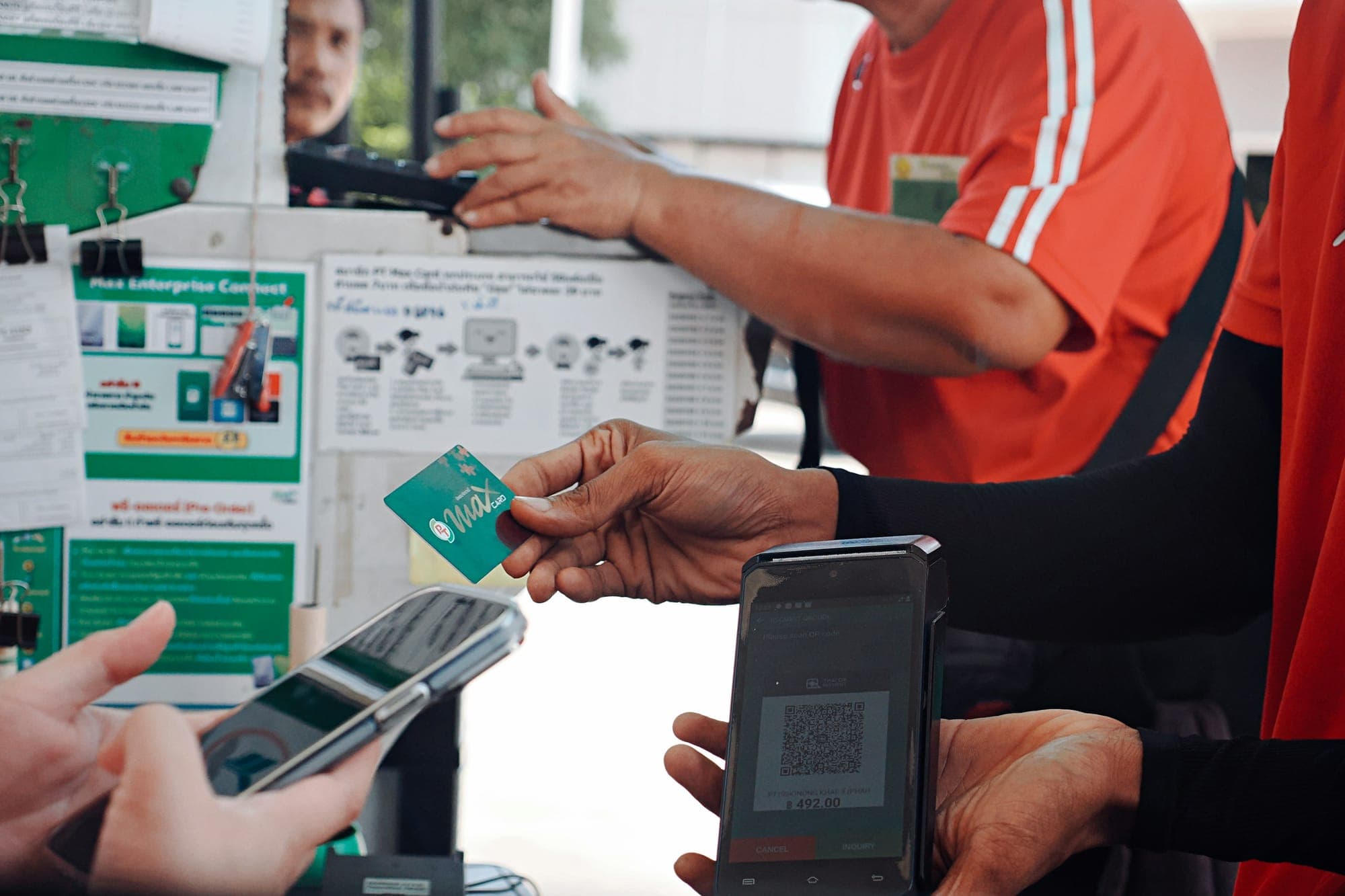

On your first day in China, set up four things in order before any sightseeing: digital pay, mobile data, the metro ride code, and saved emergency numbers. Whether you land in Shanghai (Pudong or Hongqiao) or Beijing (Capital or Daxing), a calm Shanghai or Beijing arrival is a sequence problem, not a packing problem. Once those four layers work, the rest of the city is ordinary logistics.
Day-1 order of operations
The common first-day failure is hailing rides or buying transit before pay and data are live. Do the four steps in order after baggage claim:
| Step | Priority Action | Why This Order Matters | Primary Tool / Requirement |
|---|---|---|---|
| 1. Payments | Verify primary and backup digital payment apps | Transit gates, vending machines, taxis, and convenience stores operate almost entirely cashless. | International credit card linked in mobile payment apps |
| 2. Connectivity | Switch on roaming data or activate data profile | QR codes, location mapping, and transaction verification require active cellular data. | Travel eSIM profile or airport kiosk physical SIM card |
| 3. Transit | Enable urban rail transit ride code | Bypasses ticket vending queues; lets you swipe directly into metro networks. | In-app Transport mini-program |
| 4. Safety Baseline | Program essential emergency and support numbers | Gives you immediate recourse for lost property, medical assistance, or language translation. | Phone contacts list: 110, 120, 119, 122, 12345 |
For what to sort before you fly (entry, money and transport), start with our China travel guide 2026.
1. Digital payments: primary and backup
Get a primary and a backup payment app working before you leave arrivals, because digital wallets are the default for everyday spend. Cash still works, and some hotel desks take a physical foreign card, but street stalls, metro gates, and convenience stores expect a QR code.
Before you leave arrivals:
- Open the primary wallet — passport details and a foreign Visa or Mastercard verified.
- Configure the secondary wallet — never rely on one app; a bank fraud block on one card should not strand you.
- Run a low-value test — buy water or tea at an airport convenience store and confirm the QR scans before the airport express or taxi.
For card-binding order and failure paths, use how first-time visitors should set up Alipay and WeChat Pay — do that setup at home, not on airport Wi-Fi.
2. Connectivity: eSIM vs airport physical SIM
Use a travel eSIM installed at home if your phone is unlocked, or buy a physical tourist SIM at the airport with your passport. Maps, translation, and payment QR refresh need cellular data the moment you leave airport Wi-Fi.
Option A: Travel eSIM (before you fly)
On an unlocked eSIM phone, install an overseas travel eSIM at home. Many packages run on roaming agreements, so the data line comes up on landing with little extra setup.
- Activate the eSIM data line when wheels are down.
- Toggle data roaming On for that eSIM line in phone settings.
Option B: Local physical SIM (airport counters)
No eSIM hardware, or a locked phone? Buy a physical tourist SIM at telecom desks in Beijing, Shanghai, or Guangzhou arrivals.
- Bring the physical passport — clerks photograph the bio page for real-name registration.
- Budget 10–20 minutes in queue.
- A local number helps for some restaurant or courier flows; it is not required for metro QR.
Decision detail: eSIM and SIM in China for foreigners.
3. Metro and urban transit: ride code first
Turn on the metro ride code in your payment app and scan in and out on the same phone. Metro networks in Shanghai, Beijing, and other hub cities are the day-grid. Signs and announcements are bilingual. Bags go through X-ray at the gate — budget two extra minutes.
Activate the in-app ride code
Skip single-journey token queues when you can:
- Open your payment app → Transport.
- Set the city (Shanghai or Beijing).
- Authorize the metro QR tied to your foreign card.
- Scan in at the turnstile; scan out on the same phone so the fare closes and the exit opens.
Paper ticket backup
Dead battery or QR sync fail: use the English toggle on the ticket machine, pick the destination on the map, pay with wallet or cash. Customer service desks (kèfú zhōngxīn) can clear an unclosed journey if you scanned the wrong code.
4. Emergency contacts saved before you leave the terminal
Save 110, 120, 119, 122 and 12345 in your phone before you leave arrivals. Full tourist-hotline detail is in China tourist hotline and emergency contacts; this hub covers only the Day-1 baseline.
| Number | Use |
|---|---|
| 110 | Police — theft, lost passport, immediate security |
| 120 | Medical emergency / ambulance |
| 119 | Fire and rescue |
| 122 | Traffic accident |
| 12345 | Non-emergency municipal / tourism help (not the retired 12301 route) |
For scams, health and the current US and UK advisories, see our China safety overview.
Also keep your hotel address in Chinese (and nearest metro exit) as a screenshot or card. If the phone dies, that card gets you home in a taxi.
A calm first evening after ops
When pay, data, and hotel check-in are done, skip a multi-stop sightseeing plan. One quiet neighborhood loop is enough to prove the stack:
- Shanghai: a short Bund or former French Concession walk, one neighborhood meal, one small QR payment test, then rest.
- Beijing: a slow loop around Shichahai or the Drum and Bell Towers, a nearby dinner, then sleep.
Day-1 success is proving pay + data + metro + numbers work — not collecting landmarks. When you are ready to plan the rest of the trip, choose Independent or Private Guided below.
Independent vs Private Guided (soft path)
LocalKey builds your own China trip — planned, booked and backed — at the support level you choose. Not a group tour; each trip is quoted individually.
- Independent: you travel on your own with the LocalKey app, booked hotels and trains, and 24/7 WhatsApp or WeChat backup. Add airport pickup, a car with driver, or a local guide on the days you want one — optional add-ons on demand.
- Private Guided: the same planning, with private guides plus a driver and car across the trip.
Ask a specialist to balance the two on your route: inquiry.
Frequently Asked Questions
What is the exact order of operations I should follow on my first day in China?
Follow the four-step sequence: (1) verify primary and backup mobile payment applications; (2) activate mobile data connectivity via roaming eSIM or airport SIM; (3) configure your urban rail transit ride code; and (4) save national emergency numbers in your phone. Resolving digital payments and connectivity before exiting the airport ensures all subsequent steps run smoothly.
Should I set up an eSIM before flying or buy a physical SIM card at the airport?
If your phone is unlocked and supports eSIM technology, installing an overseas travel eSIM prior to departure is generally the most convenient method. It connects automatically upon landing, uses roaming carrier protocols, and avoids queues. If your phone requires a physical card or you need a local mainland phone number, purchase a physical SIM at an airport arrivals counter by presenting your original passport for real-name registration.
Can I navigate the metro system if I do not speak or read Chinese?
Yes. Metro systems across Chinese cities feature comprehensive English-language directional signs, digital platform indicators, and bilingual onboard audio announcements. Station ticket kiosks include English-language toggles, and payment app transit codes allow you to scan directly through fare gates without interacting with ticket counter personnel.
Which emergency numbers should I save in my phone contacts?
Store 110 for police assistance, 120 for medical ambulance dispatch, 119 for fire rescue, 122 for traffic accidents, and 12345 for the municipal public services hotline, which often features English-speaking operators who can assist with administrative or consumer inquiries.
How do I choose between an Independent itinerary and a Private Guided itinerary?
Choose an Independent itinerary if you are comfortable navigating urban rail systems, enjoy exploring dining and city streets at your own cadence, and value having pre-arranged bookings combined with on-demand local guides for complex cultural sites. Choose a Private Guided itinerary if you prefer door-to-door private transfers, continuous bilingual logistics, and dedicated private vehicle support across your entire trip.