Updated 1 October 2026 · LocalKey consultant team
A practical Harbin winter trip is a 4–7 day ice-and-snow city stay built around Ice and Snow World, related winter sites, the Central Street and St. Sophia area, and Songhua riverside plans, bookable as Independent or Private Guided. Christmas week generally keeps normal sightseeing hours (confirm each venue), while Harbin’s ice-and-snow season is a peak hotel-demand exception.
When should you visit Harbin for ice and snow?
The most useful period is from late December through February, when Harbin’s major ice attractions are operating and winter conditions are established; the exact opening date for the next Ice and Snow World edition remains TBC.
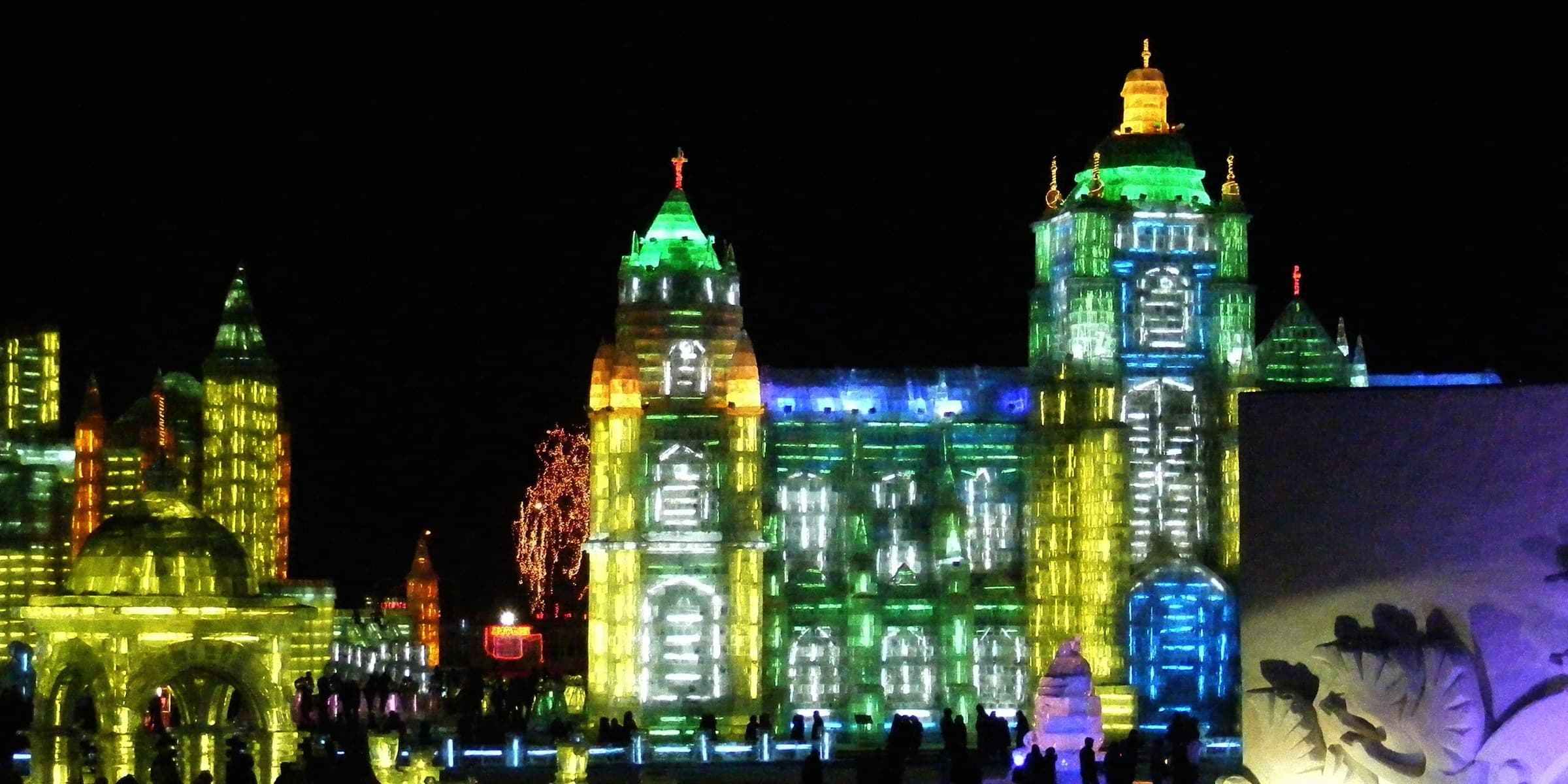
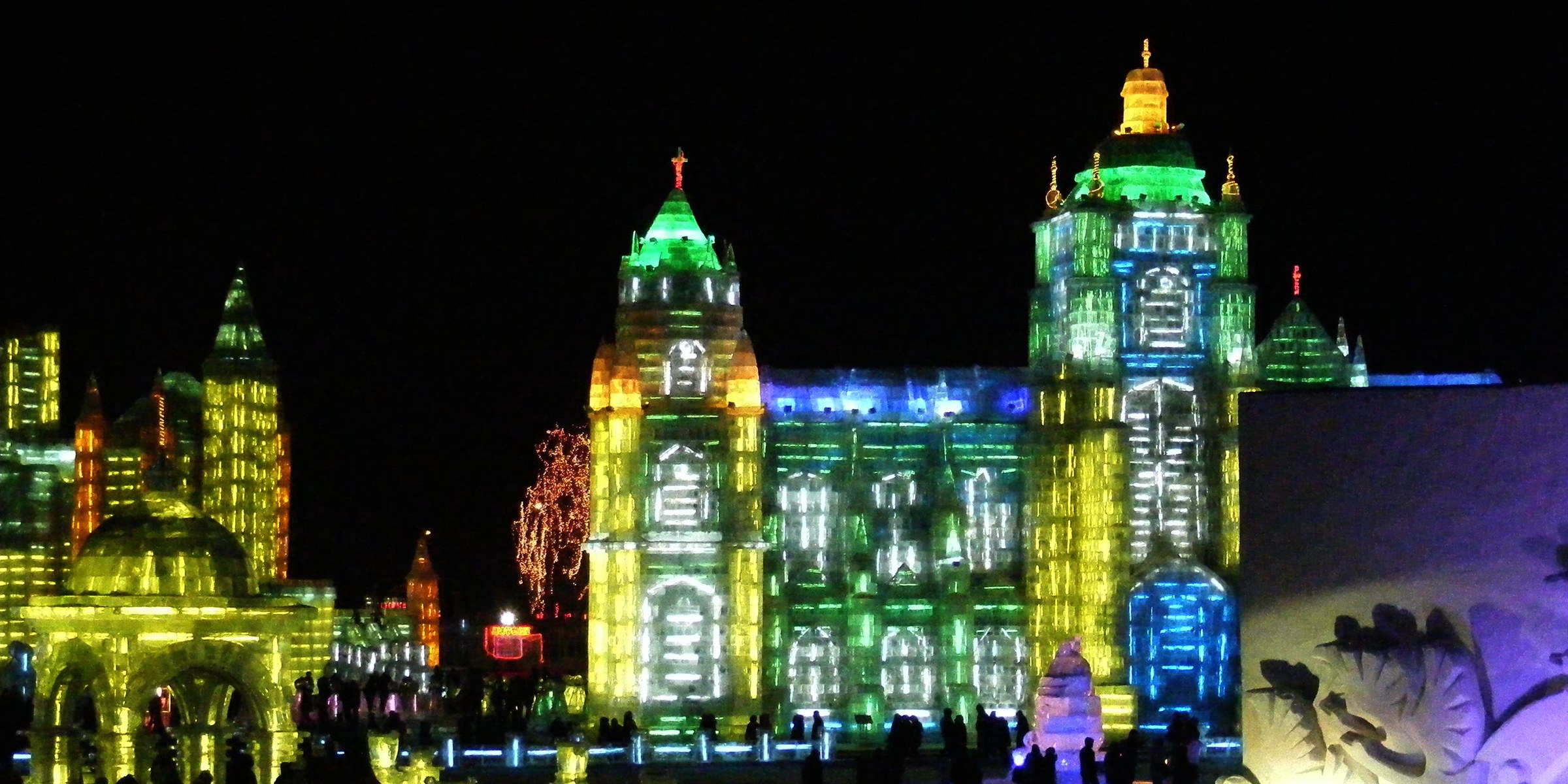
The 27th edition of Harbin Ice and Snow World opened on 17 December 2025, alongside a winter programme that included the Sun Island Snow Expo and Songhua Ice and Snow Carnival, according to Xinhua English. Travellers planning the 2026–27 season should check official notices closer to winter rather than relying on an assumed opening date.
Late December works well for travellers who want Christmas atmosphere and the first major ice displays. January usually offers the clearest version of Harbin’s deep-winter identity, but it also demands careful preparation for long outdoor evenings. February can still be suitable, though operating dates and conditions vary by venue.
Christmas is not a mainland public holiday. The State Council holiday measures do not designate 24 or 25 December as public holidays, so shops and attractions generally follow normal schedules. That does not guarantee that every venue will be open, and individual winter parks may use seasonal operating arrangements.
Harbin is a specific hotel-demand exception during the ice-and-snow season. Christmas week is often a lower-demand or shoulder period in many Chinese cities, but Harbin can see strong winter demand, as can Sanya and Hainan, ski resorts, and major city centres around 31 December. Book accommodation early if your dates are fixed.
For trips including New Year, 1 January is a statutory public holiday. Do not assume the surrounding dates will form a long public holiday; check later gov.cn notices when the relevant holiday calendar is published. For broader seasonal planning, see the Christmas in China seasonal hub, Christmas in China 2026 guide, and New Year's Eve in China guide.
If you are weighing Harbin against warmer or quieter winter regions, see winter in China for where to go from December to February.
What does a 4–7 day Harbin winter itinerary look like?
A five-day plan is the usual core for first-time visitors; compress to four days by combining the flexible day with departure, or stretch to seven with slower pacing and an optional Northeast rail add-on.
Five-day core example
| Day | Focus |
|---|---|
| 1 | Arrive at Harbin Taiping International Airport or Harbin West; settle into the hotel; walk Central Street in the evening with warm indoor breaks |
| 2 | Visit St. Sophia Cathedral square and nearby architecture; explore the central city during the day; visit Ice and Snow World in the evening for the lights |
| 3 | Visit Sun Island or a snow-sculpture area, or choose a Songhua winter riverside carnival if that season’s official venues are operating; keep warm indoor time available |
| 4 | Keep the day flexible for a museum, local food including guobaorou, a second ice-park night, or a weather buffer |
| 5 | Depart, or add a buffer day before a long international flight |
Use the first evening for orientation rather than a tightly timed attraction. Central Street and the St. Sophia area are practical early stops because they combine outdoor walking with cafés, shops and indoor breaks.
Ice and Snow World is best treated as a dedicated evening. Give yourself time for transport, entry procedures, walking between large installations and warming breaks. The exact layout, attractions and operating arrangements can change by season.
For Day 3, choose between a snow-sculpture venue and a Songhua riverside programme only after checking the current season’s official notices. Winter conditions, opening dates and event layouts can change. Keep the afternoon lighter if the previous night involved several hours outdoors.
Harbin is also a food destination in winter. Plan one focused meal rather than trying to cover every regional dish, and reserve time for a warm restaurant break after an outdoor attraction. For one useful starting point, see the Harbin guobaorou guide.
A seven-day version should slow the pace, add a second flexible day, and leave room for museums, neighbourhood walks, food and weather recovery. An optional Northeast high-speed rail side note could include Changchun or Shenyang, but this should remain an add-on rather than a second full itinerary. Snow-town day trips require separate planning and should not be added casually to a Harbin core route.
Harbin is served by Harbin Taiping International Airport, while Harbin West is a major high-speed rail hub with routes toward Beijing, Shenyang, Changchun and Dalian. In winter, allow a transport buffer for weather delays. High-speed rail is often more schedule-stable than flights during snow, although conditions can affect any journey.
Travellers combining Harbin with a wider holiday can compare this route with the 10–14 day China Christmas and New Year itinerary.
How cold is Harbin in December and January, and what should you pack?
Harbin’s December and January climate normals indicate sustained, severe cold, with January colder overall; pack for extended time outdoors rather than relying on a single heavy coat.
The World Meteorological Organization’s 1991–2020 climate normals for Harbin station 50953, published by NOAA NCEI, give Harbin a December mean high of roughly −9.8°C and mean low of roughly −19.1°C. January is roughly −11.8°C for the mean high and −22.4°C for the mean low. These are climate normals, not forecasts for particular travel dates.
The cold feels more demanding because sightseeing often involves standing, walking on packed snow or ice, and waiting outdoors. A short transfer between attractions can become uncomfortable if gloves, footwear or face protection are inadequate.
Pack in layers:
- A wind-resistant outer coat with insulation.
- A warm mid-layer, plus a base layer that manages moisture.
- Insulated waterproof boots with good traction.
- Thick socks, with a spare pair for wet conditions.
- Warm gloves or mittens, ideally with a thin touchscreen-compatible layer.
- A hat that covers the ears and a scarf or face covering.
- Lip balm, moisturiser and any personal medication needed for dry cold.
- Sunglasses for snow glare and a small bag for chargers and hand warmers.
Do not plan every day around long outdoor blocks. Alternate major winter attractions with restaurants, museums, cafés and hotel recovery time. Keep one flexible day because wind, snow, transport delays or fatigue can change the practical shape of an itinerary.
The China four-seasons packing guide gives a broader checklist. Before departure, also review the China emergency contacts guide and arrange connectivity through the eSIM and SIM guide.
For payments, set up a suitable mobile payment method before travelling and carry a backup card. The WeChat Pay guide for foreigners and Alipay guide for foreigners explain the main preparation steps.
How do Independent and Private Guided change a Harbin winter trip?
Independent suits travellers who want a structured route with a local guide available as an optional add-on, while Private Guided adds private guides plus a driver and car for a more supported winter journey.
With Independent, you follow a planned route and manage more of the daily movement yourself, while keeping the option of adding local guiding for selected visits. This works well for confident travellers who want freedom around meals, museums and evening plans.
Independent travel still benefits from advance planning in Harbin. Ice parks can take longer to reach than central attractions, winter daylight is limited, and cold conditions make an improvised transfer more tiring. A clear meeting point, transport plan and backup indoor stop are useful even on a flexible day.
With Private Guided, private guides plus a driver and car support the route from arrival through departure. This can be valuable when travelling with children, older family members, bulky winter luggage, or a schedule that combines several cities.
Private support also makes it easier to adjust the day around weather, shorten an outdoor visit, change the order of attractions or add a warm-up stop without losing the whole plan. It does not remove the need to check seasonal venue notices, but it can reduce the practical friction of winter travel.
Visa and entry planning should be checked separately from the itinerary. Depending on nationality and route, review the 240-hour visa-free China guide or 30-day visa-free China guide and confirm that your actual itinerary meets the applicable rules.
LocalKey can match the route to your preferred pace, arrival point and winter tolerance through a private China tour consultation. Speak with a 1:1 specialist through 7×24 WeChat or WhatsApp, with your Harbin trip planned, booked and backed.