Updated 1 October 2026 · LocalKey consultant team
For most foreign visitors, a Christmas-week China trip is easier for open hours and shoulder-season hotel availability in most cities, while Chinese Spring Festival / Lunar New Year 2027 (6 February 2027; Eve 5 February) is the peak domestic travel season with crowded trains, harder bookings, and many family-run shops closed. Choose Christmas for quieter winter sightseeing, or Spring Festival for a festival-period trip with reunion logistics.
Is China open at Christmas, and how does that differ from Chinese New Year?
China remains broadly open during Christmas because Christmas is not a mainland public holiday, while Spring Festival creates a statutory holiday period and much heavier domestic travel. Most shops and attractions generally keep normal hours on 24–25 December, although individual venues can vary.
Christmas is a regular working period in mainland China. The official holiday measures list statutory holidays but do not designate Christmas as a public holiday; the State Council holiday measures are the reference for the national calendar.
In practical terms, major museums, sightseeing areas, shopping centres, restaurants, and transport networks usually operate normally during Christmas week. Do not treat that as a promise that every venue will open: museums may have weekly closure days, attractions may change hours, and special exhibitions or private restaurants can require advance arrangements.
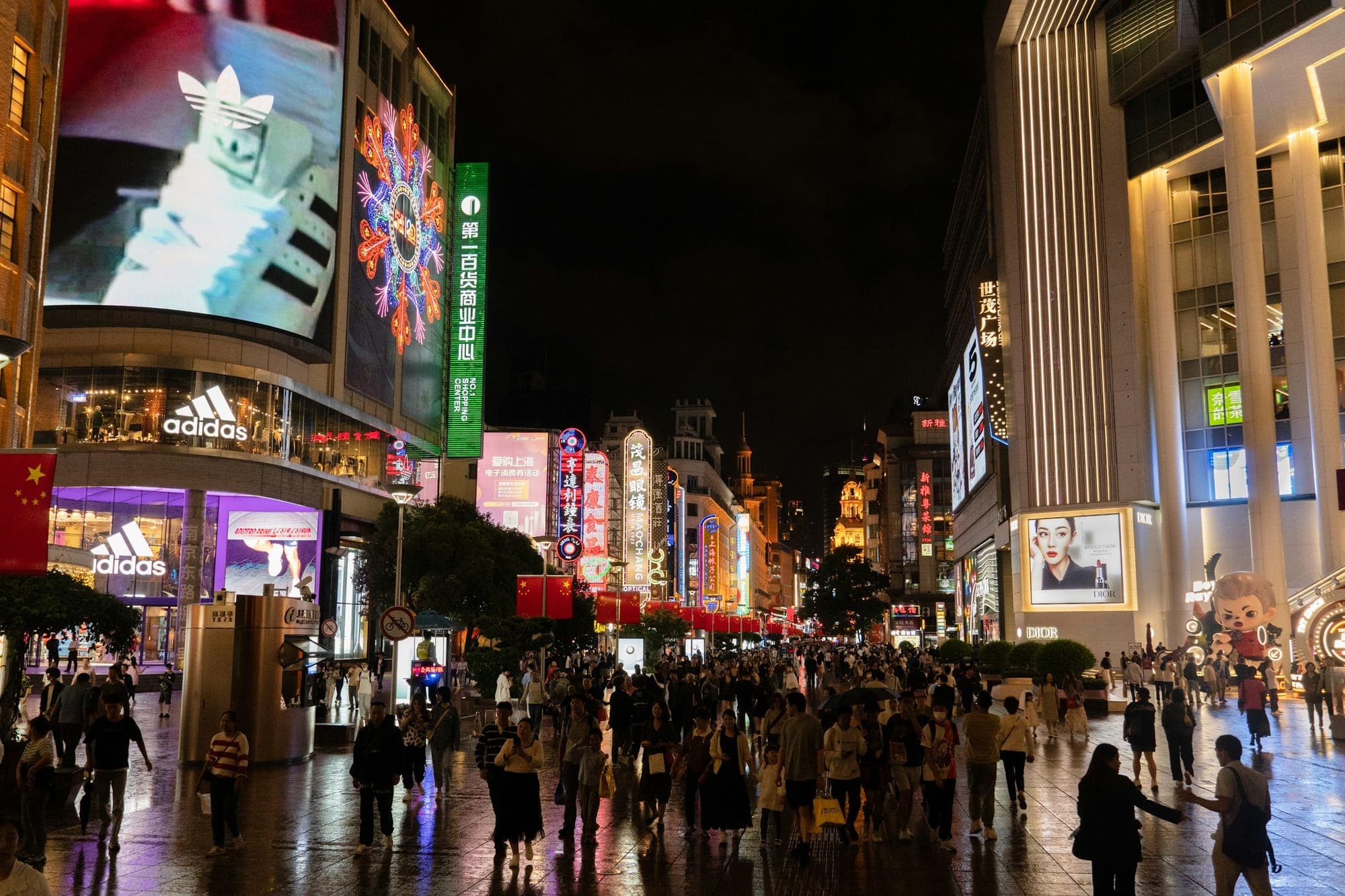
Shanghai and other large cities may have seasonal decorations, dinners, concerts, or commercial events, but these are city-by-city and venue-by-venue. For confirmed seasonal ideas and current opening information, see Christmas in China 2026, New Year's Eve in China 2026, and the wider Christmas in China travel hub.
By contrast, Spring Festival is a family holiday with a different operating rhythm. Some independent shops, neighbourhood restaurants, and small businesses close for several days so owners and staff can return home. Large hotels, airports, major attractions, and chain businesses may continue operating, but services can be reduced and reservations matter more.
| Factor | Christmas week | Spring Festival |
|---|---|---|
| Public-holiday status | Not a mainland public holiday | Statutory Spring Festival core period |
| Typical venue hours | Usually normal on 24–25 December, with individual exceptions | Major venues may open, while some small businesses shorten hours or close |
| Domestic travel pressure | Usually normal to moderate in most cities | Very high during the Chunyun travel period |
| Hotel demand | Usually normal or shoulder-season in most cities | Peak pressure in many cities |
| Family-shop and restaurant pattern | Most family-run businesses usually operate | Many family-run shops and restaurants close for days |
| Best for | Quieter sightseeing and easier logistics | Festival atmosphere, family-holiday context, and seasonal programmes |
The best choice therefore depends on what you want the trip to feel like. Christmas is easier for a first winter visit focused on city sightseeing, while Spring Festival offers a stronger holiday context but requires more tolerance for closures, transport pressure, and advance planning.
When is Chinese New Year 2027, and why is travel harder then?
Chinese New Year’s Day in 2027 falls on Saturday 6 February 2027, with New Year’s Eve on Friday 5 February 2027; the statutory mainland core is 5–8 February, while additional make-up holiday dates remain pending the State Council’s 2027 notice. This period is harder because it overlaps with Chunyun, China’s peak annual travel season.
For closures, Chunyun dates and when train tickets go on sale, see our Chinese New Year 2027 travel guide.
The 2027 lunar calendar date is confirmed by the Hong Kong SAR gazetted 2027 general holidays, which places Lunar New Year’s Day on 6 February. Under the mainland holiday measures, the statutory Spring Festival block is four days: Eve and days one through three. The extended arrangement, including any make-up working days or additional leave, is TBC until the State Council publishes the official notice.
The national scale of movement is the key planning issue. The Ministry of Transport reported approximately 9.41 billion cross-regional person-trips during 2026 Chunyun, compared with about 9.02 billion in 2025 Chunyun. These figures cover the entire travel period, not one route or one city, but they show why popular train departures and domestic flights require early attention.
Train tickets can become difficult to secure around the main travel peaks, especially for routes linking major cities with family hometowns. A Private Guided driver and car can help with local movement, but it does not remove pressure on intercity rail, airports, attractions, or hotel inventory.
Spring Festival programmes also vary each year. Temple fairs, lantern displays, cultural performances, and family activities may follow prior-year patterns, but 2027 dates and operating details are TBC until official notices and local venue channels confirm them. Do not plan around an unpublished 2027 event calendar.
One common misunderstanding is the relationship between Spring Festival and spring weather. Early February is still winter travel in northern China and remains cool winter travel in Jiangnan, including Shanghai. It is not blossom season by default: spring in China refers to meteorological and seasonal travel timing, not the date of the lunar New Year.
For 1 January, the holiday measures designate one statutory public-holiday day. The complete 2027 New Year arrangement, including any surrounding adjustment days, should be checked when published; the official holiday feature is the place to monitor State Council notices.
Which winter window is better for hotels, trains, and sightseeing?
Christmas week is usually the simpler winter window for hotels, trains, and sightseeing in most Chinese cities, while Spring Festival brings peak hotel pressure and much stronger domestic travel demand. Neither period guarantees empty venues or unchanged availability.
During Christmas week, hotel demand is commonly normal or shoulder-season in cities such as Shanghai, Suzhou, Hangzhou, and Beijing. Important exceptions include Harbin during its ice season, Sanya and other Hainan destinations, ski resorts, and major-city centres around the night of 31 December. These locations can have their own high-demand patterns even when Christmas itself is not a national holiday.
Spring Festival creates broader pressure across hotels and transport. Families travel to reunite, leisure travellers add holiday trips, and popular destinations can become busy at the same time. Some hotels remain fully operational, but the combination of high demand, reduced staffing, and changing local schedules makes advance booking more important.
Sightseeing is also more predictable at Christmas. Museums, gardens, historic streets, and city viewpoints generally follow their ordinary schedules, subject to normal weekly closures and venue notices. At Spring Festival, major attractions may still operate, but opening hours, ticket releases, restaurant availability, and local traffic conditions can change.
For Shanghai and the Jiangnan region, both windows can bring cool, damp winter conditions. Northern China can be much colder, while destinations at different elevations or farther south follow their own winter patterns. Use climate normals and current local guidance rather than relying on a fixed daily forecast; the WMO 1991–2020 station normals published by NOAA NCEI, for example Shanghai Baoshan and Harbin, provide the long-term reference. For where to go by region from December to February, see winter in China. Our four-season China packing guide covers layering, footwear, rain protection, and regional differences.
A simple decision rule is:
- Choose Christmas week if your priorities are open venues, flexible restaurant choices, easier city touring, and a quieter winter rhythm.
- Choose Spring Festival if your priorities are holiday decorations, family-season atmosphere, and cultural programmes, and you can accept more closures and transport planning.
- Avoid assuming that every famous attraction will be easier at Christmas or closed at Spring Festival. Check the exact venue and date before committing to a route.
For a route covering several cities over the festive period, see China Over Christmas and New Year: A 10–14 Day Winter Route. If Harbin is part of the plan, use the dedicated Harbin ice and snow winter guide, because its seasonal demand follows a separate pattern.
How do Independent and Private Guided change a Christmas or Spring Festival trip?
Independent is a structured route with a local guide as an optional add-on, while Private Guided includes private guides plus a driver and car. Both can work at Christmas or Spring Festival, but Private Guided is especially useful when holiday schedules, transfers, and closures need active coordination.
Independent suits travellers who want a planned framework while keeping more time for personal exploration. The route can include practical notes on opening hours, station transfers, booking windows, and backup options, with a local guide available for selected visits or complex days.
Private Guided adds private guides plus a driver and car. This can simplify airport and station transfers, reduce uncertainty when a restaurant or small attraction changes its holiday schedule, and make regional day trips easier to coordinate. It does not remove national travel pressure, so major intercity bookings still need to be handled early.
For either style, winter preparation should include:
- Confirming passport, visa, and entry requirements through the relevant official channels. See the 240-hour visa-free China guide and 30-day visa-free China guide where applicable.
- Setting up payment and communication before departure with the WeChat Pay guide or Alipay guide, plus the eSIM and SIM guide.
- Checking restaurant and attraction opening arrangements again before Spring Festival, especially for family-run businesses.
- Keeping hotel and transport confirmations accessible offline.
- Saving the China emergency contacts guide for practical reference.
For most visitors, the clearest recommendation is Christmas week for a smoother sightseeing-led winter trip and Spring Festival for a more seasonal, people-focused experience with tighter logistics. LocalKey can match the travel style to the dates through a 1:1 specialist, with 7×24 WeChat or WhatsApp support, so the journey is planned, booked and backed. See Private China Tours or compare timing with the month-by-month China guide.