Updated 7 October 2026 · LocalKey consultant team
Christmas is not a mainland public holiday, so most shops, shopping malls, cultural attractions, and restaurants keep normal operating hours on 24 and 25 December. Because the travel corridor from late November through Christmas week falls into an off-peak shoulder season across primary gateway cities, standard hotel rates generally apply, outside four main exceptions: Harbin during its ice-and-snow season, the Sanya and Hainan winter peak, dedicated ski resorts, and the night of 31 December in big-city centres.
For international travelers accustomed to nationwide closures across Europe and North America, traveling through mainland China in late December offers an entirely different rhythm. Public transport, national museums, historical monuments, and commercial centers operate as usual on Thursday, 24 December, and Friday, 25 December 2026. Understanding the legal status of the holiday, seasonal pricing variations, and the sharp operational contrast with the upcoming domestic New Year and Spring Festival breaks allows you to plan your winter trip with realistic expectations.
Is Christmas a public holiday in China, and what stays open?
Christmas is a standard working day across mainland China: public transit, commercial services, Chinese government offices, domestic banks, and public schools run a normal weekday schedule, and tourist sights keep normal hours. Still check each venue’s weekly routine — many state museums keep Monday maintenance closures regardless of the season.
Under national labor and holiday frameworks set by the State Council, statutory public holidays are strictly defined by law. Under the revised National Measures on Public Holidays and Memorial Days (State Council Decree No. 795), Christmas Day is not a recognized statutory holiday, so that normal weekday schedule applies on both 24 and 25 December. Note that foreign consulates and foreign employers generally close on 25 December because State Council calendars do not govern their internal holiday schedules.
Because normal civic life continues uninterrupted, visitor-facing infrastructure remains active:
- Attractions and monuments: Major historical landmarks in gateways such as Beijing and Shanghai—including the Forbidden City, the Temple of Heaven, Yu Garden, and city observation decks—open according to their winter hours. Check each venue’s weekly routine before you go.
- Urban transit and rail networks: High-speed rail corridors, municipal subway lines, city buses, and domestic flights operate on standard schedules. Booking intercity train tickets between major hubs does not face the overwhelming seat shortages typical of domestic holiday rushes.
- Dining and shopping: Department stores, independent boutiques, convenience stores, and restaurants keep standard opening times. Commercial centers maintain normal operating hours rather than closing early on Christmas Eve.
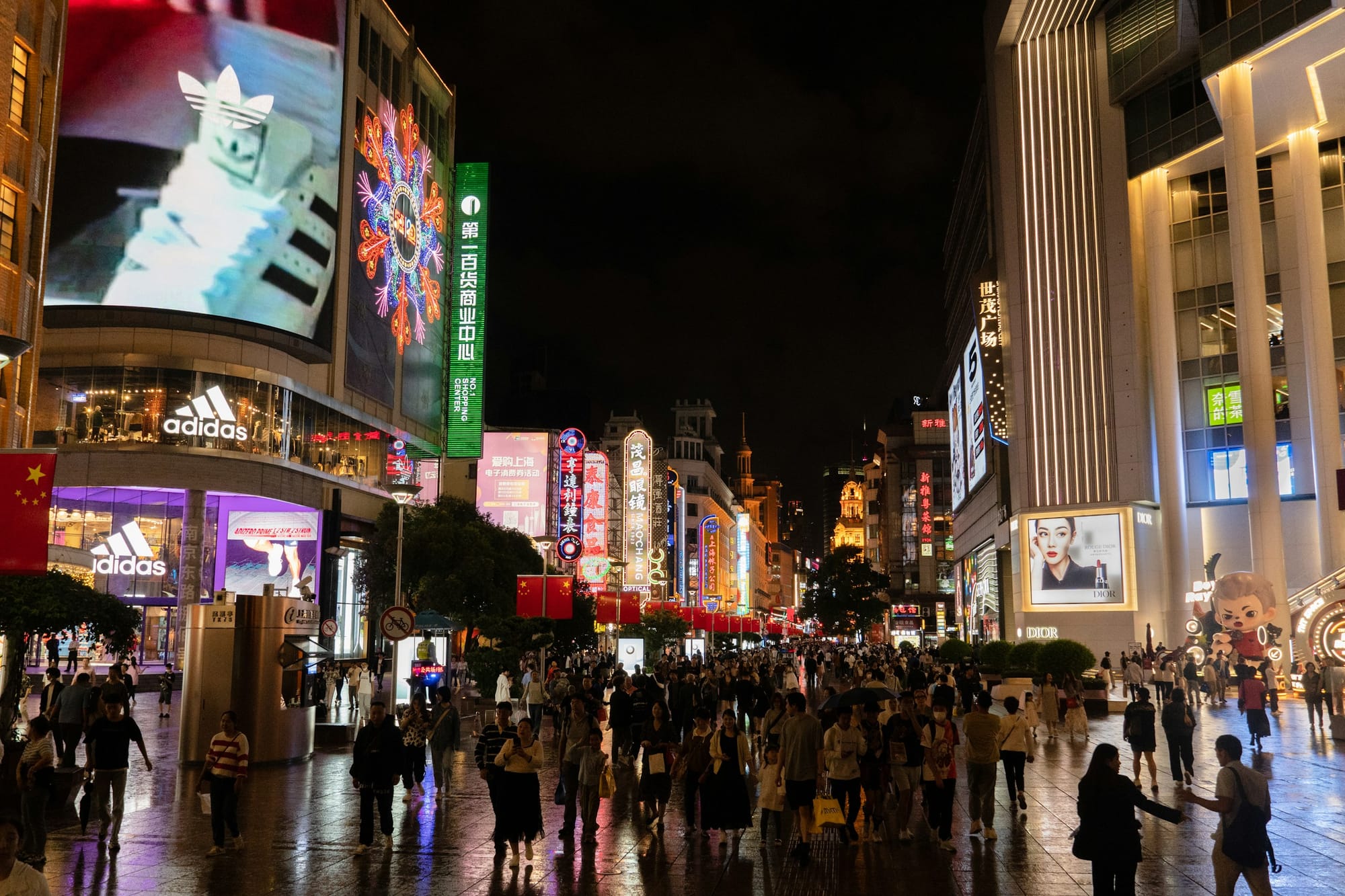
The commercial atmosphere in first-tier metropolises is noticeable, even without civic holiday status. Large retail malls and shopping streets, such as Nanjing Road Pedestrian Mall in Shanghai or Wangfujing in Beijing, install seasonal decorative trees, warm winter lighting displays, and commercial promotions aimed at evening diners and younger shoppers. Where individual historic churches announce Christmas Eve or Christmas Day services open to members of the public, seating can fill early — confirm times and entry rules with the church itself rather than assuming a public schedule.
Travelers should set up their mobile payment wallets before departure. Connecting an international credit card to Alipay or WeChat Pay allows smooth payment for meals, coffee, and subway rides. Pairing this with a working data connection via an international eSIM or domestic SIM ensures uninterrupted navigation, while saving official contacts from our China emergency contacts guide provides practical backup for unexpected situations.
Are hotel prices higher over Christmas week?
Hotel pricing across most Chinese gateway cities usually remains at standard shoulder-season levels during Christmas week because domestic travel demand remains low. In primary business and cultural centres, rates are generally near normal, with four notable exceptions: the Harbin ice-and-snow season, the Sanya and Hainan winter peak, mountain ski resorts, and the night of 31 December in big-city centres.
The travel corridor from late November through Christmas week represents one of the quietest periods of the year for leisure travel across central and northern China. As outlined in our month-by-month guide to visiting China, the absence of statutory vacation days and cooler regional temperatures keep domestic tourism moderate. Consequently, international hotels and local boutique properties in major urban centers such as Shanghai, Beijing, Hangzhou, and Chengdu price their rooms at regular corporate rates rather than holiday peak tariffs.
However, rates are not uniformly flat across all domestic regions. Specific holiday and climate exceptions apply during late December:
- Ice and snow festival corridors: Destinations in Northeast China, particularly Harbin during the buildup to its international ice and snow gathering, enter their high winter tourism season, driving up accommodation demand and rates. For a Harbin-focused plan, see the Harbin ice and snow winter trip guide.
- Tropical winter retreats: Sanya and southern coastal Hainan experience heavy winter leisure traffic from domestic travelers seeking warm weather, resulting in peak seasonal resort pricing.
- Dedicated ski resorts: Mountain ski properties in Chongli (Hebei Province), Jilin, and Xinjiang operate at premium winter rates and require reservations weeks in advance.
- City-center hotels on 31 December: While rooms over 24 and 25 December stay at base rates, properties overlooking major urban waterfronts or central plazas often raise rates specifically for the night of 31 December to capture local countdown revelers.
For visitors planning a winter itinerary centered on classic cultural cities, late December delivers reliable availability and steady value. Travelers taking advantage of transit policies—such as the 240-hour visa-free transit policy or the unilateral 30-day visa-free policy—can secure centrally located boutique and star-rated hotels without the premium markups typical of Western metropolitan centers during late December.
How does Christmas in China feel compared with New Year and Spring Festival?
Christmas in China feels like an ordinary workday accompanied by commercial evening retail activity, carrying none of the massive transit congestion or family-reunion shutdowns associated with traditional holidays. In contrast, New Year's Day brings a statutory one-day civic holiday, while Spring Festival generates the nation's largest annual passenger travel migration.
To understand the winter calendar, international travelers should distinguish between three consecutive events:
Christmas (24–25 December)
Christmas carries no statutory holiday status and no traditional family reunion obligations. The general population reports to offices, factories, and schools as usual. In commercial shopping districts, the atmosphere mirrors a commercial festival: department stores decorate with winter motifs, bakeries sell seasonal cakes, and restaurants fill with couples and friends meeting for dinner. Yet two blocks away from major retail complexes, street life proceeds at its ordinary weekday pace.
New Year's Day (1 January)
New Year's Day, known domestically as Yuandan, is an official statutory public holiday established under State Council regulations, granting one statutory day off on 1 January. Annual holiday arrangements adjust surrounding workdays or weekends on a year-by-year basis, as seen in the published 2026 official holiday arrangement notice from the State Council General Office. For travel bridging late 2026 into 2027, the arranged holiday length remains unpublished; readers should check the State Council General Office notice on gov.cn when published (arrangements are typically issued in November).
Public gatherings on New Year's Eve (31 December) involve municipal safety and crowd-control planning. For the 2025–26 New Year holiday window, the Shanghai Greening and City Appearance Administrative Bureau placed Bund, North Bund, and Little Lujiazui lighting into major-activity mode, with no cross-area light or multimedia show and no midnight countdown organised through landscape lighting at those core spots (The Paper report, 30 December 2025). The Shanghai Weekly Bulletin, Issue 125 also noted city New Year activities that can include riverside drone shows at a high level. The same no-countdown lighting pattern appeared in the 2024–25 English municipal notice. For city-by-city countdowns, lighting and drone shows, see New Year's Eve in China 2026. Depending on local plans, authorities may close or ticket selected waterfronts, transit exits, or central plazas; travelers out on 31 December should follow that day's police notice and local public security advisories.
Spring Festival (Lunar New Year)
The operational difference between Christmas and Spring Festival could not be greater. While Christmas sees normal transit operations and uncrowded museums, Spring Festival involves hundreds of millions of domestic passenger journeys across the country. Official calendar explanations from meteorological authorities explain that the 2026 Spring Festival fell on 17 February, while the China Meteorological Administration channel explainer clarifies that the lunar cycle places the 2027 Spring Festival approximately 11 days earlier, arriving in early February (6 February 2027). During that peak period, factories close, small family businesses shutter for up to two weeks, and long-distance trains sell out within minutes. Visiting during late December avoids this intense travel rush entirely. For 2027 closures, Chunyun and train-ticket timing, see our Chinese New Year 2027 travel guide. For a full comparison of Christmas week versus Spring Festival logistics, see Winter Trip to China: Christmas vs Chinese New Year.
How should visitors plan a Christmas-week private China trip?
Visitors planning a late-December trip should prepare for cold winter conditions in northern and central hubs while taking advantage of uncrowded historical monuments and accessible transport networks. Scheduling outdoor walking during daylight hours and confirming evening transfer logistics avoids cold weather fatigue and year-end transit detours.
Weather and Packing Considerations
Winter weather across central and northern China is cold, requiring practical layered clothing:
- Shanghai and the Jiangnan region: Late December brings cool, damp winter air. Because indoor heating in southern regions is often less pervasive than in the north, windproof jackets, warm sweaters, and water-resistant footwear are recommended.
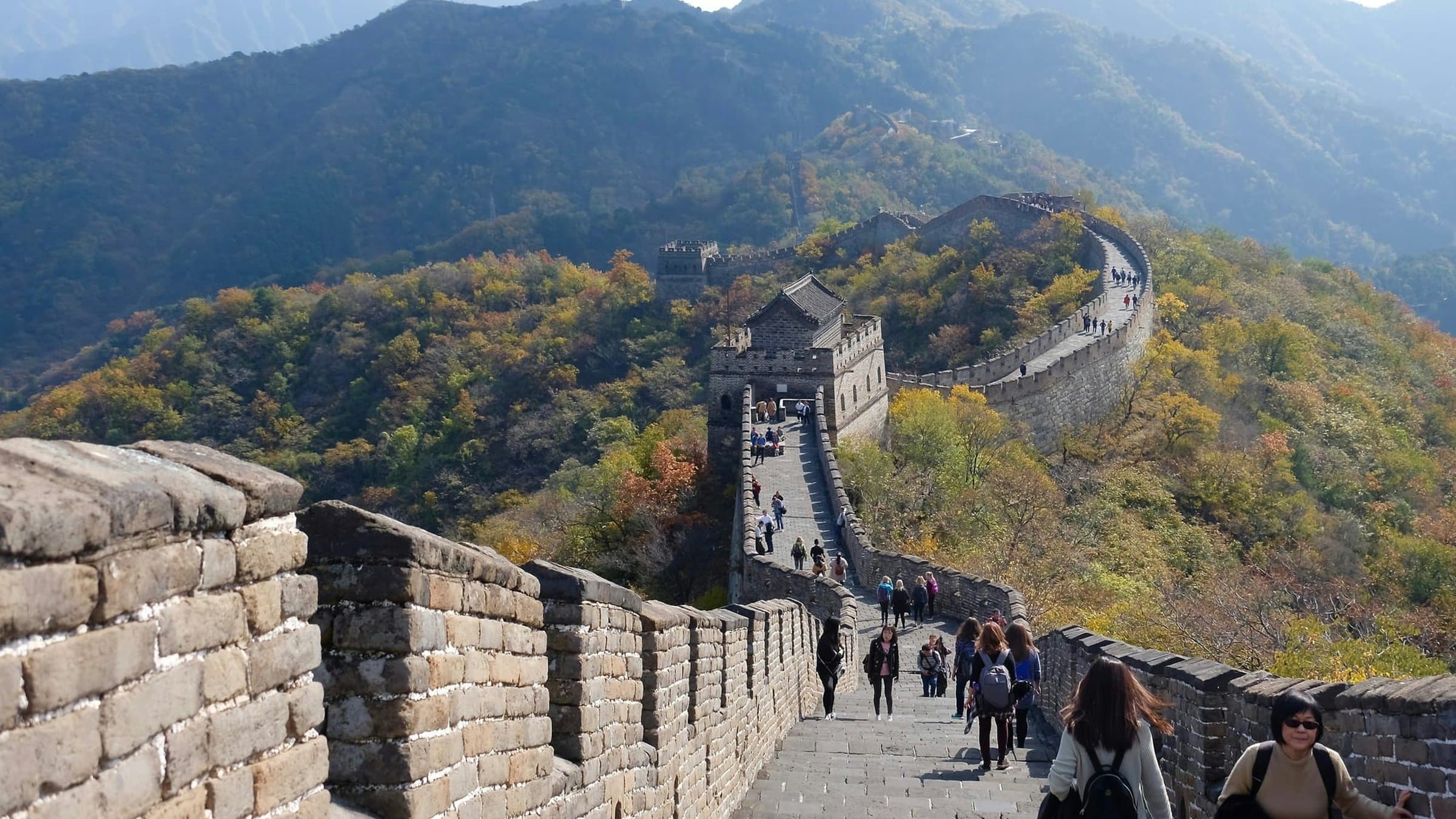
- Beijing and Northern China: The capital is substantially colder, drier, and windier than Shanghai — pack heavy thermal base layers, a down coat, gloves, a warm hat, and windproof face protection for open outdoor sites such as the Mutianyu Great Wall or the Summer Palace.
Itinerary Structure and Year-End Logistics
Because 22 to 29 December is an off-peak travel window, travelers can tour major cultural sites without long queues:
- Schedule major heritage sites on weekdays: Touring the Forbidden City or the Shanghai Museum on 24 or 25 December allows you to walk through galleries at an unhurried pace, free of domestic holiday tour groups.
- Account for daylight hours: Northern destinations get dark early in late December. Complete outdoor walking tours in historical courtyards or lake parks before mid-afternoon, reserving evenings for heated indoor dining, tea houses, and illuminated retail streets.
- Plan New Year's Eve transfers in advance: If your itinerary extends past 30 December, select a hotel within comfortable walking distance of your planned evening dinner or performance. Road closures and taxi shortages around major downtown districts on 31 December can make crosstown travel difficult late at night.
Booking With LocalKey Travel
Arranging a smooth late-December route requires balancing ticket reservations, winter opening times, and airport transfers. At LocalKey Travel, we deliver your own China trip — planned, booked and backed by experienced operational specialists across two defined service models:
- Independent Tier (explore Independent): Tailored for independent travelers who value self-directed exploration. We secure verified boutique and luxury accommodations, issue all domestic high-speed train tickets, and provide detailed daily route instructions. There is no full-time guide: a guide for set times or sights, an airport pickup, or a car and driver are optional add-ons on demand, giving you complete itinerary flexibility without unwanted group schedules.
- Private Guided Tier (explore Private Guided): Designed for travelers seeking complete end-to-end comfort. This model includes a dedicated private guide throughout each city, an executive private vehicle with a professional driver for all transfers and daily touring, and handled admission reservations across your entire route.
Whether you select an Independent or Private Guided journey, our team pairs you with a dedicated 1:1 destination specialist who monitors your reservations and provides continuous 7×24 WeChat and WhatsApp support from arrival to departure. Connect directly with our team to design your winter route through LocalKey Private China Tours.
For a bookable seasonal route, see China over Christmas and New Year: a 10–14 day winter route.