A private China tour for seniors is a trip built around one question: how do you see the places you came for without turning every day into a test of stamina? The answer is pace, fewer stairs, well-placed hotels and planned rest days. You travel as your own party, never on a fixed coach departure, and you choose how much support you want.
LocalKey plans these trips as part of our Private China Tours. This page covers what makes China tiring for older travellers, what to tell us, how to choose between our two levels of support, and how a soft day works.
Why China can tire older travellers
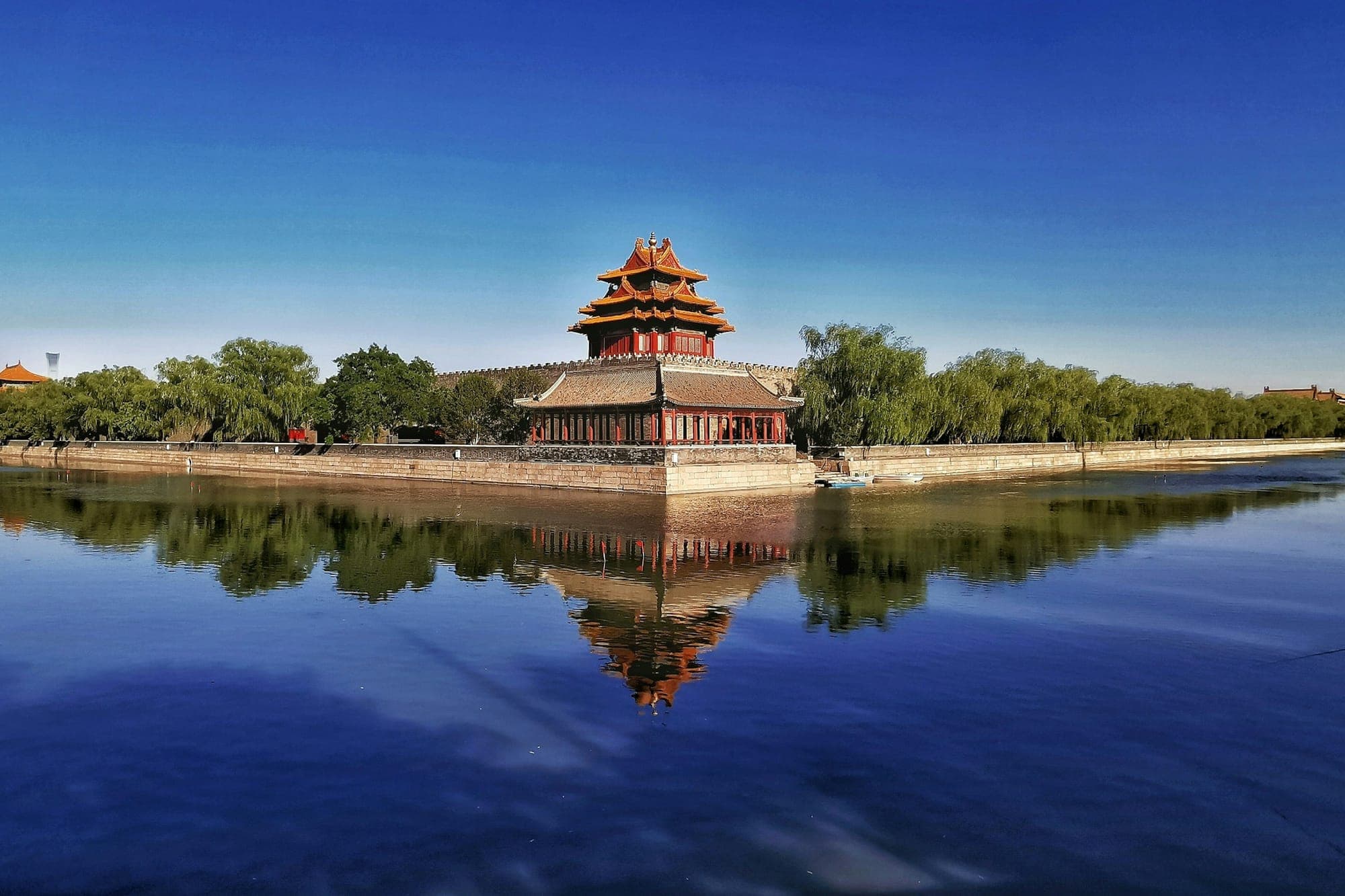
China's big sights are big. Large palace complexes such as the Forbidden City mean long, mostly flat walks. Great Wall sections are steep, with uneven steps. Many temples sit on hillsides at the top of a stair approach. Between sights there are long station corridors, security checks, ticket gates and large hotel grounds.
So a traveller who walks two hours at home without trouble can still find a China day harder than expected. It is rarely one long walk. It is many short walks, standing in lines and steps, repeated all day.
A senior-friendly plan protects energy in a few simple ways:
- One major site per morning or afternoon, not two back to back.
- No stair-heavy site on the day after a long-haul flight.
- Short transfers and simple stations where possible.
- A midday hotel break when the group needs one.
- Time to sit, drink water and use facilities without rushing.
The important places stay in the trip. They are placed in an order that lets the slowest traveller enjoy them fully.
What to tell us before we plan
"We walk fairly well" means different things to different people. The most useful thing you can give us is specific detail. Please give walking limits in minutes, not distance: 1.5 kilometres on a flat promenade is easy, but the same distance with steps, crowds and waiting is not.
| Tell us about | Example | How the plan changes |
|---|---|---|
| Walking before a seated break | 20, 30 or 45 minutes | Visits are split into shorter sections with rests |
| Stairs and slopes | Manageable, need a handrail, or avoid | Stair-heavy approaches are replaced, shortened or moved to a stronger day |
| Knees, hips or balance | Recent surgery, pain pattern, balance concern | Guides avoid extra loops and allow more time at each change of transport |
| Mobility aids | Cane, walker, wheelchair or folding stool | We check vehicle access, lift size, luggage help and whether each site suits it |
| Standing | How long at security, ticket gates or in museums | Fewer packed interiors and more seated stops |
| Heat and cold | Sensitivity to summer heat or winter cold | Outdoor visits are timed for the cooler or warmer part of the day |
| Bathroom access | How often facilities are needed | Stops and sites are chosen around reliable facilities |
| Jet lag and medication | Arrival time, sleep, meals or medicine that cannot wait | The first day stays light; departures and meals fit the routine |
| Who is slowest | Grandparents, and whether children are coming | The plan follows the slowest traveller without making every day inactive |
Hotel location matters as much as the room
A comfortable room does not fix a hard hotel location. For older travellers, the distance between the car, the lobby, the lift and the room shapes the whole day. We check:
- Whether a car can stop close to the entrance.
- Whether the lifts are reliable and the lobby is easy to cross.
- Whether the walk back from dinner is short.
- Whether a midday return is realistic in local traffic.
- Whether you can request a room away from stairs or busy public areas.
A hotel next to a major sight makes an early start easy. A quieter hotel can be better after a long day out. With grandchildren on the trip, the right base is usually the one with the simplest return route for both age groups, which is why we settle hotels before we finalise the route.
Independent or Private Guided?
Both are private, and neither is automatically "the senior option". The choice depends on how much walking and train travel your group is comfortable with.
| Independent | Private Guided | |
|---|---|---|
| How you move | Train-led, with private transfers around each train | More door-to-door travel by private car |
| Guides | Guide days for your most important visits | Guide cover across more of the trip |
| Hotels | Comfortable, carefully chosen hotels | Higher hotel options, subject to availability |
| Suits seniors who | Are fine with short train journeys, simple stations and some walking between transfers | Want to save energy, avoid long station walks and repeated transfers, or have knee, hip or balance limits |
Independent works well when train journeys are short, luggage help is arranged and each train day is followed by a lighter day. It still allows slow mornings and fewer stops.
Private Guided is often the better fit for grandparents travelling with young children, for travellers arriving after an overnight long-haul flight, and for routes with several large sites or busy transport hubs. A private car shortens the walk from hotel to site entrance to lunch. A guide can pick a shorter route through a large site and change the order when energy drops.
See the Independent and Private Guided descriptions for detail.
How a soft day works
A soft day is not a wasted day. It lets the body recover so the group can enjoy the days that need more walking.
| Time | Soft day | Hard day to avoid |
|---|---|---|
| Morning | Late breakfast, one focused visit with seats and short walks | Early start, long transfer, straight into sightseeing |
| Midday | Easy lunch near the next stop, or back to the hotel | Long museum visit, distant lunch, another large site |
| Afternoon | Hotel rest, a gentle neighbourhood walk or an optional short activity | A stair-heavy temple approach plus a second major site |
| Evening | Dinner nearby with a short walk back | Late dinner after crowds, long transfers and a full day on foot |
Plan a soft first day after a long-haul arrival: late breakfast, one manageable visit, back to the hotel before dinner. Treat a long train day the same way. Make it useful but modest, so you do not lose the next morning to tiredness.
When grandparents and children travel together
Children need movement, variety and an earlier finish. Grandparents may need seats, fewer stairs and a quiet midday. The answer is not a passive trip, and not splitting the family every day.
We plan around the slowest traveller and give everyone else options. Grandparents might return to the hotel after a morning visit while parents and children go on to a nearby activity. Another day, the whole family shares a shorter visit and a long lunch. Our China Family Tours page covers multigenerational trips in more detail. Tell us the youngest child's age and rest pattern, the oldest traveller's walking limits, and which activities everyone wants to share.
What to send in your enquiry
A short message is enough. Send your 1:1 LocalKey specialist:
- Rough dates and number of nights.
- Cities or regions you are considering.
- Everyone's ages, including children.
- Comfortable walking time before a break.
- Any stair, slope, knee, hip, balance or mobility-aid needs.
- Preferred hotel level, and whether a quiet hotel matters more than a central one.
- Whether short train journeys are comfortable.
- Independent, Private Guided, or a comparison of both.
- Any fixed arrival, departure or family event.
- Which days you want kept soft.
We then send a written proposal with the hotels, trains, private services and pace. We do not quote senior package prices or deposits in advance, because they depend on these choices. LocalKey support is available 7×24 on WeChat or WhatsApp.
Practical FAQ
Is this a group tour for older travellers?
No. It is arranged for your own party only, not a fixed coach departure or a standard senior group itinerary. Route, walking pace, hotels and support level are agreed with your specialist.
Should seniors always choose Private Guided?
Not always. Private Guided helps when a private car, wider guide cover and a slower pace will save energy. Independent works well for travellers who are comfortable with short train journeys and some walking between transfers.
How much walking should we plan each day?
There is no single right number. Tell us your comfortable walking time and any stair or slope limits, and we split visits into shorter sections with seats and fewer loops.
Can we include a midday hotel break?
Often, yes. It depends on the city, traffic and where the hotel is. A well-placed hotel makes a midday return easy; otherwise a quiet seated lunch does the same job.
How is the price calculated?
From the hotels, trains, private services, guide days and pace you choose. You get it in a written proposal rather than a fixed senior package price.