Updated 30 September 2026 · LocalKey consultant team
The story
Social clips show travellers in flowing sleeves crossing old city walls, passing lantern-lit streets and walking beside quiet lakes. The useful question comes after the clip: where do you rent the clothes, where can you walk comfortably, and how do you behave once you are dressed?
Yes. Foreign travellers commonly wear rented hanfu in China, especially in established tourist districts. The key is to treat the clothing respectfully, follow the rules of the place, and remember that a photo session should fit into the setting rather than take it over.
This is the practical path through Xi'an, Luoyang and Hangzhou.
The real places
Xi'an: the strongest first choice
Xi'an is the natural lead for a hanfu day because several settings sit close to the city's historical centre.
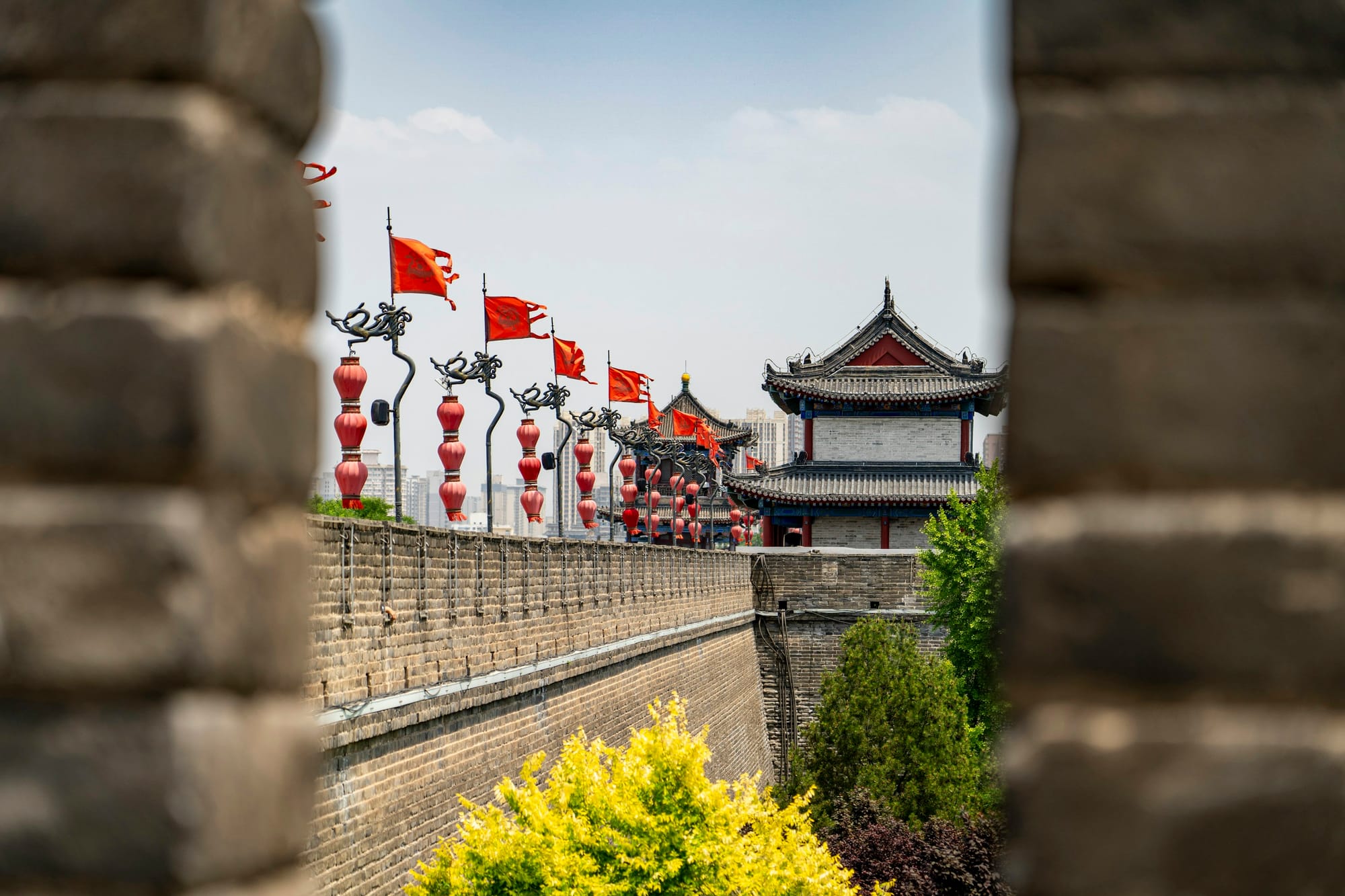
Around the Xi'an City Wall, rental shops and photo studios serve visitors who want a formal architectural backdrop. A typical visit begins with a fitting, followed by a walk on the wall or a short shoot near a gate tower and battlement section. The wide top of the wall gives layered robes room to move, but it is still a working visitor route. Keep sleeves and hems clear of bicycles, families and other walkers.
The wall is particularly effective early or late in the day, when the light is softer and the main walking routes are less compressed. Check the current admission rules and opening arrangements before visiting. Wearing hanfu does not guarantee free entry, priority access or any special ticket treatment.
For a more theatrical evening, the Giant Wild Goose Pagoda area and Datang Never Sleeps City provide pedestrian streets, lit buildings and open plazas. These spaces are designed for evening movement and photography, but they can become crowded. A short portrait session works better than carrying a large set of props or stopping in the centre of a busy route.
For background on the city itself, see Xi'an 2026: A Culture City, Not a Terracotta Checklist. For municipal English news and heritage context on the wall, see the Xi'an municipal government English site and confirm current admission on the scenic WeChat or mini-program the week you go.
Luoyang: old streets with a Tang-era connection
Luoyang gives the experience a different rhythm. In the old-town area, smaller streets, traditional-style façades and evening lighting create a useful setting for a relaxed walk or a short portrait session. Rental activity is concentrated around visitor districts rather than spread evenly across the city, so arranging the fitting near your intended route is sensible.
Luoyang also works well as a cultural day paired with Longmen. Treat the two as separate parts of the day: old-town streets for clothing and photography, Longmen for Buddhist sculpture, riverside views and careful site visiting. The Longmen Grottoes guide covers the caves and cliffs; it does not need to be folded into a hanfu rental plan.
At Longmen, dress comfortably under the robe and follow every museum and heritage-site rule. Do not assume that wearing hanfu changes admission arrangements, photography permissions or access restrictions. A quieter old-town route is usually better for portraits than trying to turn a protected monument into a studio.
Hangzhou: causeways, water and open space
Hangzhou suits travellers who prefer a softer landscape rather than masonry and lantern streets. Rental shops and photo studios can be found around major visitor areas near West Lake, with walking routes extending toward causeways, gardens and lakeside parks.
The causeways are practical because they offer changing views across the water, trees and distant hills. They are also public paths, so a flowing sleeve or long skirt must stay clear of cyclists and pedestrians. If a photographer is working with you, choose a point beside the route rather than occupying its centre.
The Hangzhou West Lake culture guide explains why the lake's causeways, gardens, bridges and views matter beyond their use as a backdrop. UNESCO describes West Lake as a cultural landscape shaped by centuries of writing, garden design and carefully framed views. The setting works for hanfu because the landscape already has a strong visual language; the clothing does not need to carry the whole scene.
Do not rely on a seasonal offer or assume that hanfu rental includes scenic admission. Short-term promotions sometimes appear through official WeChat accounts or mini-programs, and they change. Check the week you go.
The culture behind it
Hanfu is revived historical clothing, with modern makers drawing on silhouettes, construction details and textile ideas associated with different periods. It is not one single uniform. A Tang-inspired style, a Song-inspired style and a Ming-inspired style can create very different shapes, sleeves and layers.
For a visitor, the helpful distinction is between wearing a historical style and presenting yourself as a character in a costume show. Choose clothing because you enjoy its design and because it helps you look closely at a place. Avoid exaggerated claims about being transported into a particular dynasty, and do not treat local people or religious sites as scenery.
Xi'an adds a specific historical context. The city was Chang'an during the Tang period, a major capital connected to diplomatic, commercial and cultural routes across Asia. That context is one reason Tang-influenced styles are often associated with Xi'an. The wall, pagoda area and evening pedestrian streets can support the visual idea, but the city is still a living place with residents, commuters and ordinary daily routines.
Luoyang and Hangzhou work for different reasons. Luoyang connects historic streets with the wider story of imperial capitals and Buddhist art. Hangzhou offers the long tradition of designed landscapes, causeways, gardens and poetic views. You do not need to force one dynasty or one visual theme onto all three cities.
The clothing is part of the experience. The place remains the subject.
How to go
Nearest cities and rail
Xi'an is the easiest lead city for a first hanfu day because the City Wall, central hotels and major cultural districts can be combined without making the clothing carry a long transfer.
Luoyang is a practical high-speed rail hop from Xi'an and can be added as a separate cultural stop. Hangzhou fits naturally into the Shanghai corridor, either before or after time in Shanghai.
For booking and station logistics, see 12306 train tickets for foreigners and China train stations for foreigners. The official China Railway 12306 English site explains current passenger and ticket procedures.
Days needed
A half-day is enough for one rental, fitting, walk and short photography session in a single city.
Allow two to four days if you want to combine the Xi'an City Wall with another city or cultural setting. A slower plan gives you time to change clothes, protect the garments from weather, and visit a museum or heritage site without rushing between appointments.
Season
Spring and autumn are usually the most comfortable seasons for layered robes and longer walks. Summer heat can make several layers difficult, especially on open sections of the Xi'an City Wall or in full sun beside West Lake. Winter brings cold wind and shorter comfortable walking periods.
Choose footwear for stability, not only for the photograph. Many robes cover the ankles, and stone paving, steps and bridge surfaces can become slippery after rain.
Rental and photo studios
The usual process is straightforward:
- Choose a rental shop near the wall, lake or old-town district.
- Select a style and try it on before confirming the fit.
- Expect a deposit or identity check using a passport or a mobile payment account, depending on the shop.
- Add makeup or hair styling only if it suits the day you have planned.
- Book a photographer separately or choose a studio package if one is offered.
- Confirm the return time, changing arrangements and responsibility for damaged clothing.
The available selection may be organised by silhouette, colour, period reference or studio preference rather than by a simple English category. Save reference images on your phone and ask the staff to show you what is practical for walking.
No fixed rental price belongs in a general guide. Availability, fabric, styling, photographer time and seasonal demand vary. Confirm the current terms directly before you travel.
Etiquette
- Ask before photographing strangers, especially children, older people and people working.
- Do not block paths, bridges, gates or viewpoints for a portrait.
- Do not climb restricted sections, sit on protected features or step into planted areas.
- Follow temple, museum and heritage-site clothing rules.
- Follow no-flash and no-tripod rules where posted.
- Keep sleeves, hems and accessories away from sculptures, walls and displays.
- Treat the clothes as clothing, not as a reason to mock a historical style.
- Return rented items on time and report damage honestly.
- Keep the styling practical enough to walk, use stairs and enter public transport.
City guides are pending. For a broader route, see the Xi'an Beijing private tour. For other cultural formats, visit culture experiences.
If QR payment comes up during the fitting, taxi ride or photography session, prepare with Alipay for foreigners.
A simple route
A balanced first route could look like this:
- Day 1: Arrive in Xi'an and settle near the central city.
- Day 2 morning or late afternoon: Rent hanfu near the Xi'an City Wall and walk a short section.
- Day 2 evening: Visit the Giant Wild Goose Pagoda area or Datang Never Sleeps City without carrying a full photography setup.
- Day 3: Use the high-speed railway for Luoyang, or continue the journey toward another city.
- Later in the trip: Pair Hangzhou with West Lake, choosing one causeway or lakeside park rather than trying to cover the whole lake in costume.
The best plan leaves room for a normal day around the photo session. Eat, visit a museum, sit by the water or walk a neighbourhood. Hanfu can be the thread through the day rather than the entire purpose of it.
Build this trip with LocalKey
If you want the clothing experience to sit naturally inside a wider China journey, begin with private China tours. The right arrangement depends on whether you want practical independence or a fully supported route.
- Independent: your own China trip — planned, booked, and backed. You travel with the LocalKey app and 24/7 backup, with optional add-ons such as airport pickup, a private car and driver on demand, or a local guide on demand.
- Private Guided: private guides and a driver with car across the trip. This suits travellers who want local interpretation while still keeping the hanfu half-day flexible.
- Enquire through /contact for 1:1 specialist planning and 7×24 WeChat or WhatsApp support.
A hanfu day is easy to add when the route already has the right space: an open city wall, a pedestrian old-town quarter or a lakeside walk. It needs more care when attached to a tightly timed museum day, a long transfer or a protected site with strict visitor rules.
Sources
- Xi'an City Wall and heritage protection overview from the Xi'an municipal government (English) — Verified 30 September 2026
- Xi'an municipal 12345 FAQ on City Wall ticket categories (no dress-based free entry listed) — Verified 30 September 2026
- West Lake Cultural Landscape of Hangzhou from UNESCO — Verified 30 September 2026
- Longmen Grottoes from UNESCO — Verified 30 September 2026
- China Railway 12306 English website — Verified 30 September 2026
- China Railway English ticketing FAQ — Verified 30 September 2026