Updated 9 October 2026 · LocalKey consultant team
Foreign visitors need a Tibet travel permit and must travel on an organised tour, according to UK and Canadian government travel advice checked on 9 October 2026; you cannot travel around Tibet on your own.
Do foreigners need a permit to visit Tibet in 2026?
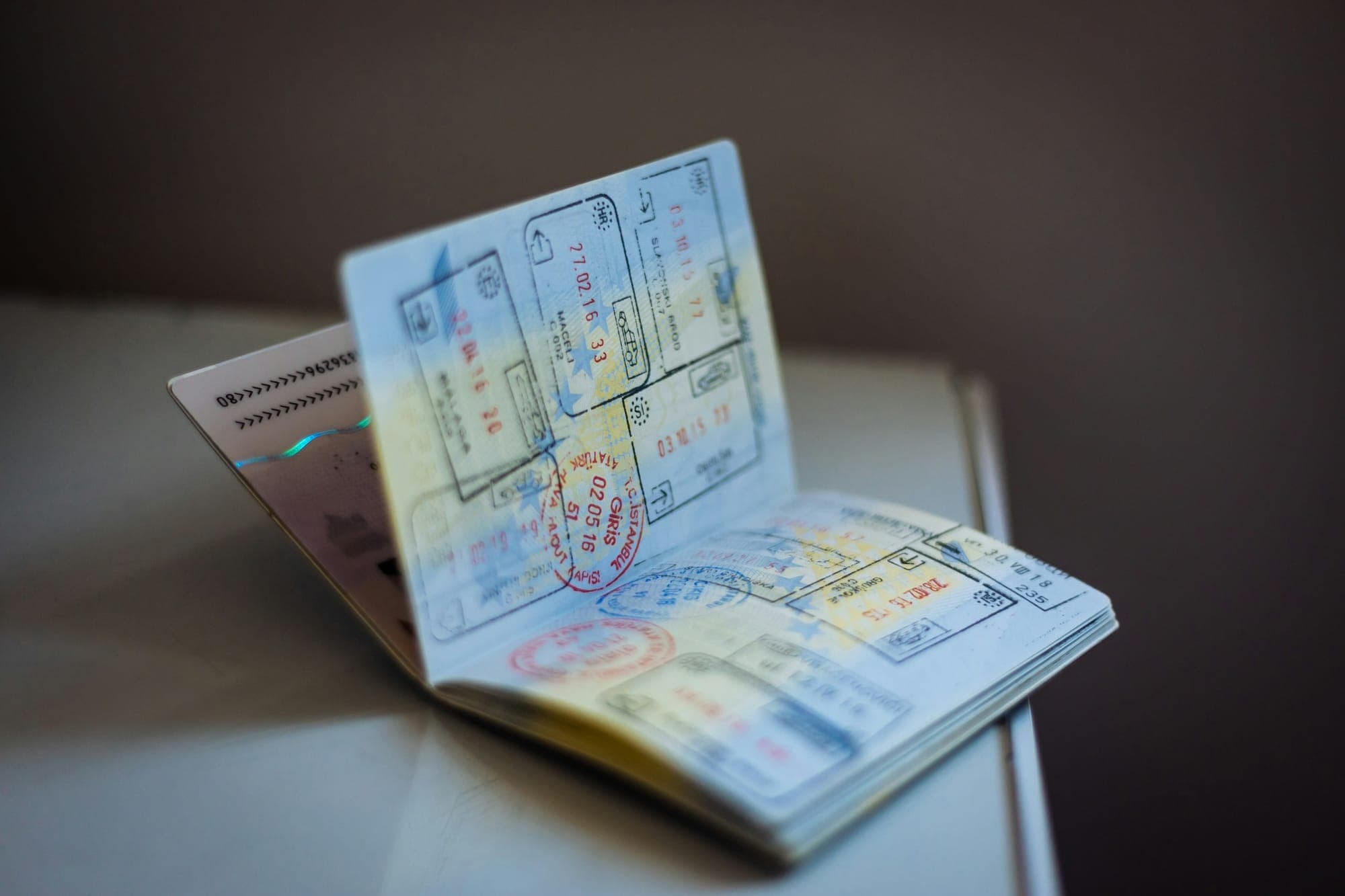
Yes. The UK Foreign, Commonwealth & Development Office (FCDO) says you must get a permit to travel to Tibet and the Tibet Autonomous Region (TAR), and Canada's travel advice says unaccompanied private visits to Tibet are prohibited and that foreigners may visit through an accredited travel agency, which can obtain the Tibet Travel Permit on their behalf.
Tibet entry rules at a glance
| Rule | What official sources say | Source |
|---|---|---|
| Permit | You must get a permit to travel to Tibet and the TAR (FCDO). Canada says you must obtain a permit. | FCDO Regional risks (27 Aug 2026); Canada (31 Aug 2026) |
| How to get it | Through an accredited travel agency, which can obtain the Tibet Travel Permit on your behalf (Canada). Canada also advises contacting a reputable travel agency and the Chinese Embassy or a consulate before you leave. | Canada (31 Aug 2026) |
| Organised tour | You must also travel on an organised tour (FCDO). Canada says you must be taking part in an organised tour. | FCDO Regional risks (27 Aug 2026); Canada (31 Aug 2026) |
| Permit suspensions | Chinese authorities sometimes stop issuing permits without notice (FCDO). Canada says authorities occasionally suspend issuing permits to foreigners. | FCDO Regional risks (27 Aug 2026); Canada (31 Aug 2026) |
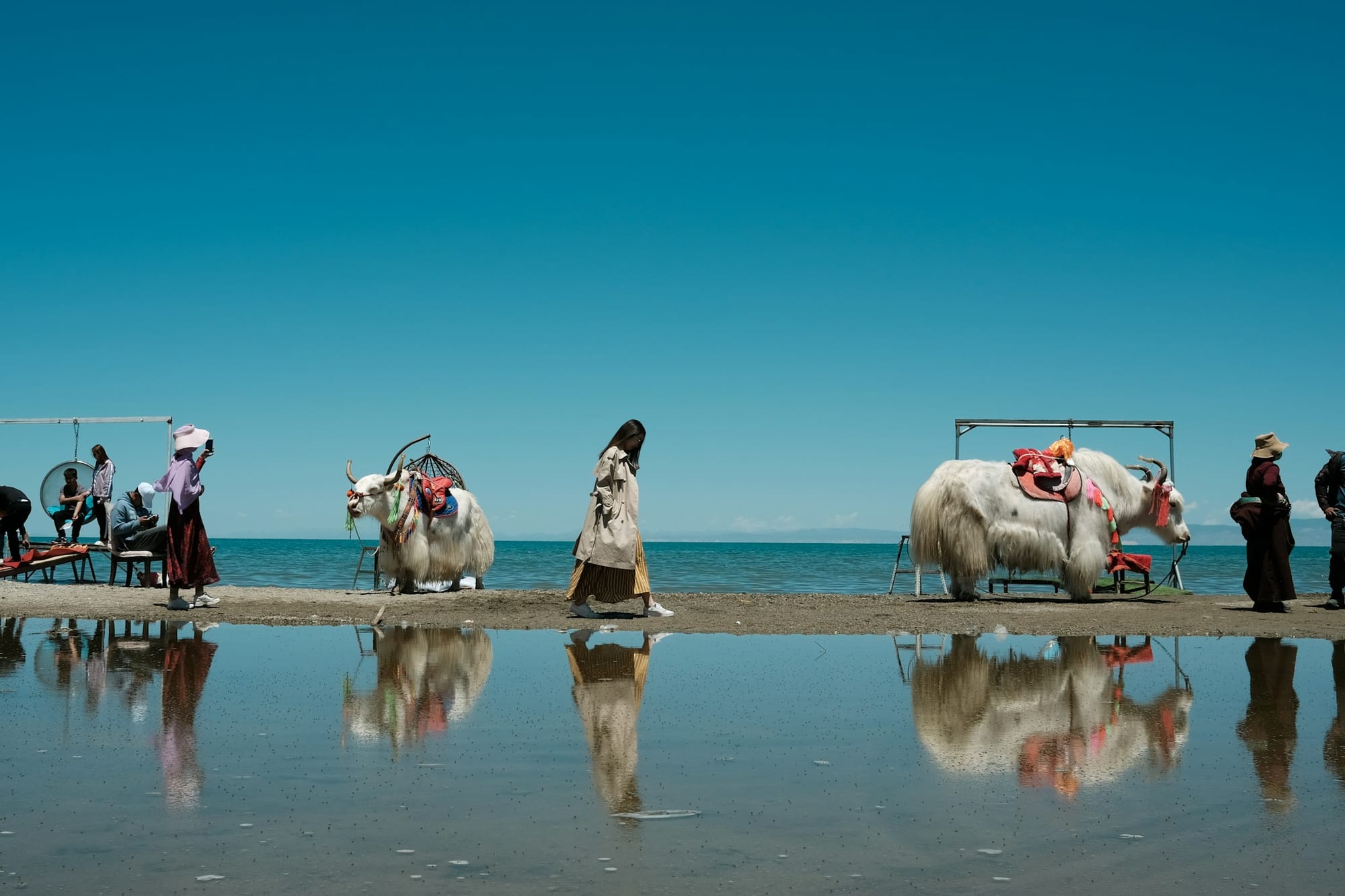
| Tibetan areas in Sichuan and Qinghai | Authorities can deny tourist entry to certain districts of the Tibetan autonomous prefectures in Sichuan and Qinghai without published notice (Canada). FCDO says travel to Tibetan Autonomous Prefectures in neighbouring provinces may be restricted, even if you have a permit. | Canada (31 Aug 2026); FCDO Regional risks (27 Aug 2026) |
| Restricted areas and penalties | Without approval, foreigners shall not access foreigner-restricted areas (Article 44). Those who enter without approval are ordered to leave and, where circumstances are serious, can be detained for five to ten days (Article 77). Canada says you could be fined, taken into custody and deported. | China's Exit and Entry Administration Law, Articles 44 and 77 (NIA); Canada (31 Aug 2026) |
| Carrying your passport | Foreigners aged 16 and over must carry their passport (or stay or residence permit) and accept police inspection (Article 38). | China's Exit and Entry Administration Law, Article 38 (NIA) |
The FCDO and Canada agree on the core requirements: a permit, an organised tour, and the risk that authorities stop issuing permits without notice.
Can you travel in Tibet on your own?
No: the UK FCDO says you must travel on an organised tour, and Canada says you must be taking part in an organised tour to travel to Tibet.
We suggest treating the organised tour as a fixed part of the plan, not an optional extra.
Entering a restricted area without approval carries its own penalties. China's Exit and Entry Administration Law (Article 77) says such foreigners are ordered to leave and, where circumstances are serious, can be detained for five to ten days. Canada's advice is that if you enter a restricted area without the required permit, you could be fined, taken into custody and deported.
Canada also advises that, where possible, you make full payment for travel conditional on the permit being secured. We suggest asking any provider how payments are handled if a permit is not issued.
The Tibet leg is therefore not planned on the Independent format; how LocalKey arranges it is set out at the end of this page.
What else should you know before you go to Tibet?
Beyond the permit, official advice covers flood damage at Gyirong County, high altitude, photography and gatherings, short-notice curfews or travel restrictions, and limited consular help. Canada advises avoiding non-essential travel to Gyirong County, on the China–Nepal border, after severe flash flooding and a major mudslide on 26 August 2026.
- Gyirong County flooding: on 26 August 2026 severe flash flooding and a major mudslide hit Gyirong County in Shigatse, near the Nepal border; the FCDO (27 August 2026) reports damage to buildings, roads and communications. Canada (31 August 2026) says the flooding washed away parts of the China–Nepal border crossing.
- Altitude: Canada (31 August 2026) says Tibet, Qinghai, western Sichuan and parts of Xinjiang are at altitudes above 3,000 metres, and that high-altitude illness can be fatal, so know the symptoms. We suggest allowing time to acclimatise and building rest days into your plan.
- Photography and gatherings: the FCDO advises avoiding gatherings, not photographing or filming security forces, and asking before photographing inside monasteries. Canada advises not to film or photograph unauthorised gatherings.
- Security and curfews: Canada says to expect increased security and police presence, that some places of worship or cultural sites may be off-limits to foreigners, and that local authorities may impose curfews and travel restrictions at short notice, even if you have a permit.
- Limited consular help: the FCDO says the British Embassy's ability to help in Tibet is limited.
How does a Tibet trip fit into the rest of your China visit?
China's 240-hour visa-free transit policy allows nationals of 57 countries who are transiting to a third country or region to stay up to 10 days in permitted areas of 24 provincial-level regions, according to the National Immigration Administration (NIA) policy page dated 20 August 2026 and its permitted-areas notice of 19 December 2024. The Tibet Autonomous Region is not one of the 24, so 240-hour transit does not cover a Tibet visit.
Our 240-hour visa-free transit in China page covers the transit rules in more detail. For the visa-free entry list, see our 30-day visa-free China page.
We suggest treating the Tibet permit as a separate step on top of whatever visa or visa-free entry you use to enter China. For general safety advisories, see Is China Safe to Travel to in 2026?, and for the wider region overview, see Where to Visit in China in 2026.
The FCDO notes that the authorities sometimes stop issuing permits without notice, so we suggest checking the official advice again right before you travel. LocalKey can plan the rest of your China trip as Independent or Private Guided, with the Tibet leg in the organised-tour format the rules require.
Plan your trip with LocalKey
LocalKey arranges your Tibet leg together with a licensed Tibet travel agency, which applies for the permit; Tibet always requires an organised tour. The rest of your China trip can be planned as Independent or Private Guided. Outside Tibet, both formats are your own China trip — planned, booked and backed — and not a group tour.
- Independent: you travel on your own with the LocalKey app and 24/7 backup. Independent does not include a full-time guide on any day. A local guide, airport pickup or a private car and driver can be added on demand.
- Private Guided: an English-speaking private guide and a private car throughout the trip.
You can compare both formats on our private China tours page. To start planning, speak with a 1:1 specialist, available 7×24 on WeChat or WhatsApp.
Sources
- UK FCDO — China travel advice: Regional risks (updated 27 August 2026) — verified_on 2026-10-09
- UK FCDO — China travel advice: Warnings and insurance (updated 27 August 2026) — verified_on 2026-10-09
- Government of Canada — China travel advice (last updated 31 August 2026) — verified_on 2026-10-09
- National Immigration Administration — Exit and Entry Administration Law of the People's Republic of China — verified_on 2026-10-09
- National Immigration Administration — Visa-Free Transit Policies, 20 August 2026 — verified_on 2026-10-09
- National Immigration Administration — 240-hour transit permitted areas, 19 December 2024 — verified_on 2026-10-09