
Updated 6 October 2026 · LocalKey consultant team
More people are traveling to China because short travel videos have made its cities familiar and visa-free entry has widened, and the official numbers back it: Xinhua reported nearly 61.29 million foreign border crossings from January through August 2026, up 19.5 percent year on year. The sections below separate the trend from what a first trip actually needs.
The story
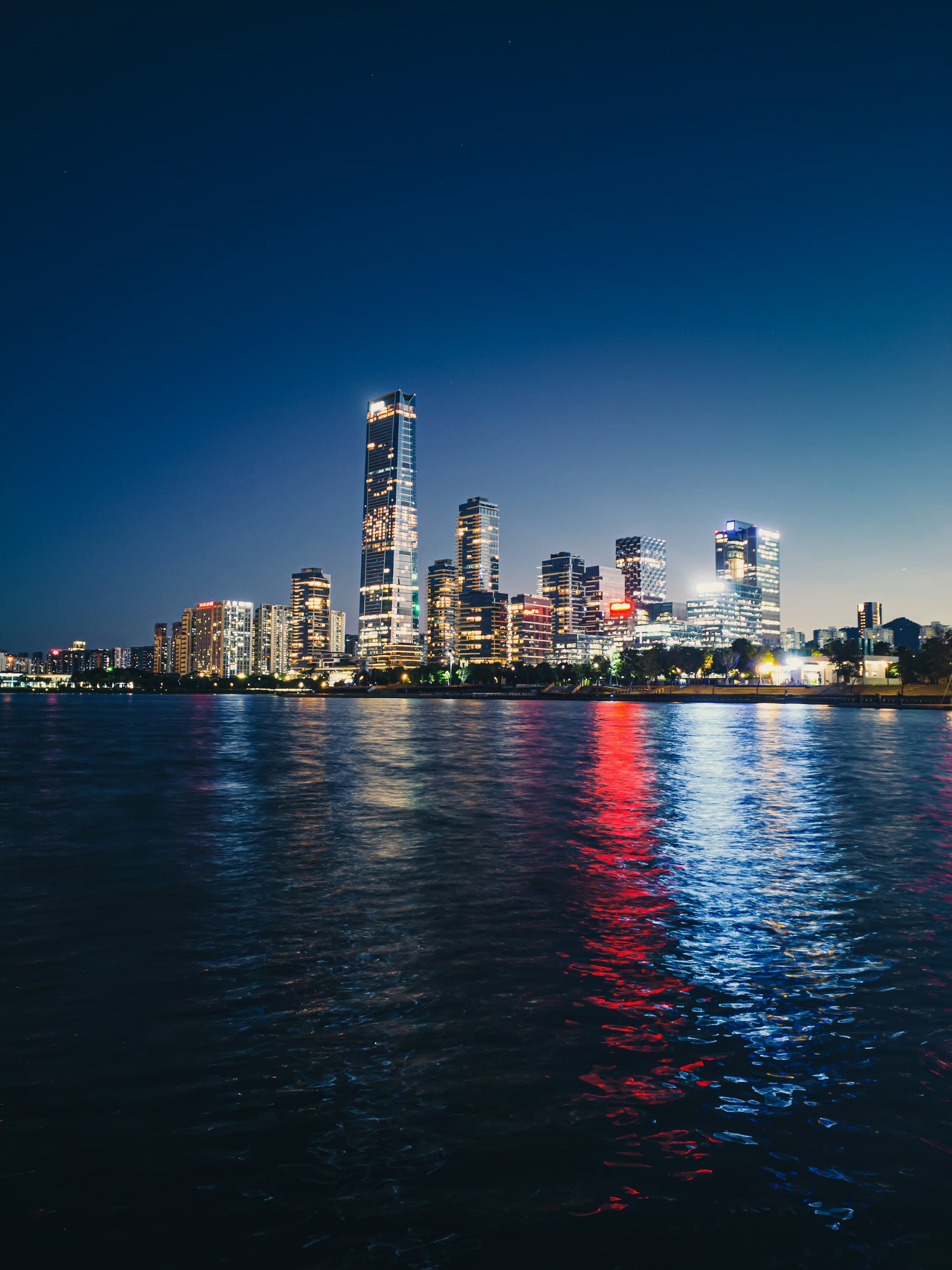
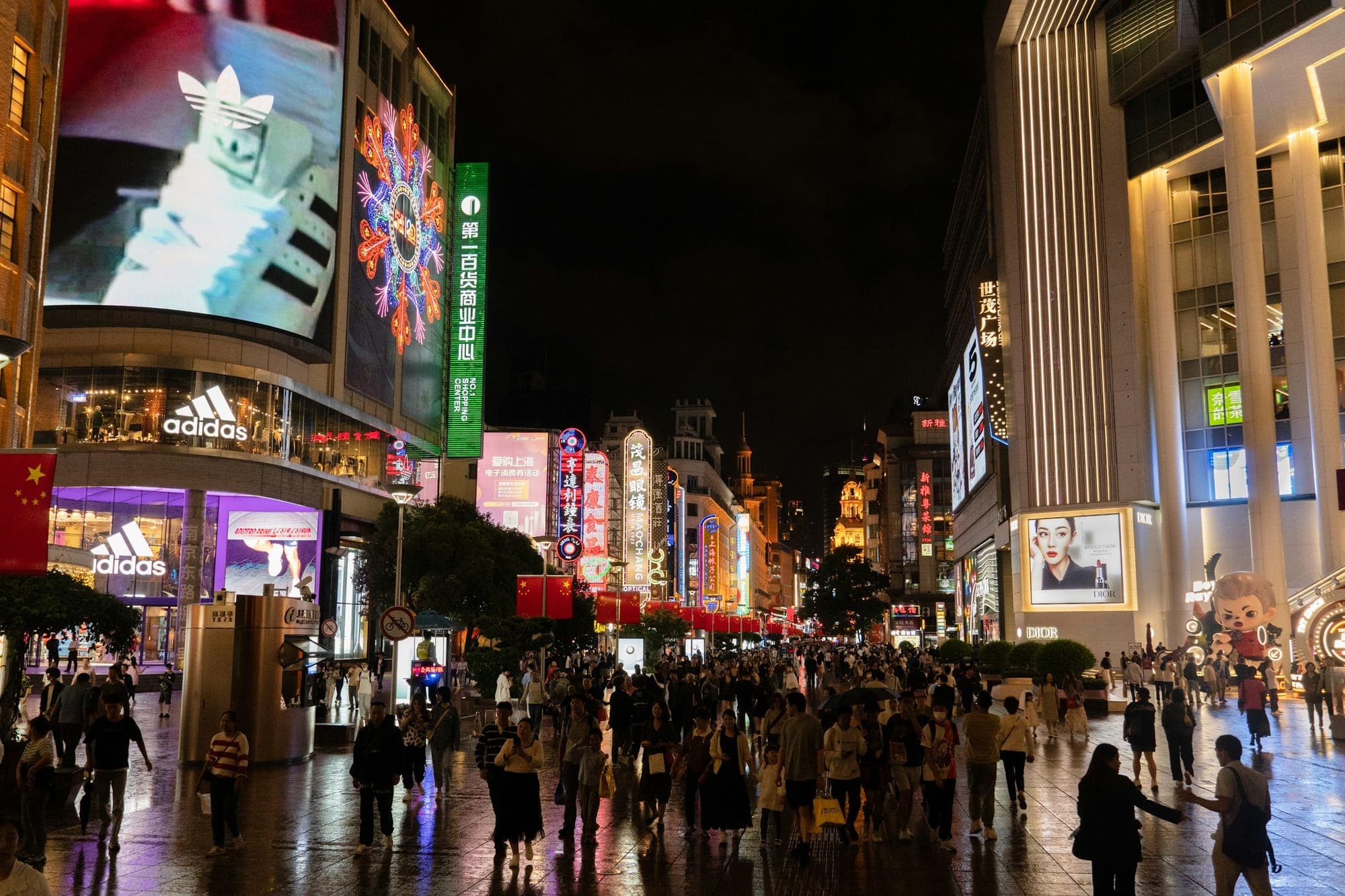
China has become a familiar presence in short travel videos: a city walk beside historic walls, a late-night food street, a high-speed train window, or a skyline that changes block by block. The labels #ChinaTravel and Chinamaxxing often bring these clips together, while TikTok city-walk content turns a distant destination into a set of places viewers can picture visiting.
That attention is best treated as a starting point, not a complete travel plan. LocalKey has no partnership with TikTok or any other social platform. A feed can show what catches attention; it cannot confirm entry rules, opening arrangements, transfer time, payment setup, or whether a route suits your available days.
The real places — what the numbers show
The social conversation is supported by a measurable increase in inbound travel. Xinhua reported on 10 September 2026 that foreign nationals made nearly 61.29 million border crossings from January through August 2026, up 19.5 percent year on year. Visa-free entries numbered 23.72 million, up 26.8 percent year on year.
The same report stated that China offered unilateral visa-free entry to nationals of 50 countries for stays of up to 30 days. It also reported that the 240-hour visa-free transit program covered 57 countries after Kyrgyzstan and Vietnam were added. These are headline-level figures and policy categories; eligibility still depends on nationality, passport, itinerary, and the current official rules.
| Measure | Reported figure | Source and date |
|---|---|---|
| Foreign border crossings, January to August 2026 | Nearly 61.29 million | Xinhua, 10 September 2026 |
| Year-on-year change in foreign border crossings | Up 19.5 percent | Xinhua, 10 September 2026 |
| Visa-free entries in the same period | 23.72 million | Xinhua, 10 September 2026 |
| Year-on-year change in visa-free entries | Up 26.8 percent | Xinhua, 10 September 2026 |
| Countries covered by unilateral visa-free entry | Nationals of 50 countries, up to 30 days | Xinhua, 10 September 2026 |
| Countries covered by 240-hour visa-free transit | 57 countries | National Immigration Administration, 20 August 2026 |
Stats verified_on: 2026-09-29. Official figures and entry policies can be updated, so treat this table as a dated snapshot and check the relevant 30-day visa-free China guide or 240-hour visa-free China guide before booking.
For many first-time visitors, the practical destinations are already clear. Beijing brings together imperial-era landmarks, neighborhood walks, museums, and access to the Great Wall. Shanghai offers a dense mix of historic districts, riverfront views, design, shopping, and food. Chengdu works well for travelers who want Sichuan food, relaxed urban pacing, teahouse culture, and a gateway to wider Sichuan experiences. Chongqing is also a popular neon-and-mountain-city stop, especially for visitors drawn to steep streets, layered transport routes, and evening views.
Two practical improvements help turn interest into a workable trip. High-speed rail makes a multi-city route easier to organize, while wider acceptance of international cards and mobile payment options has reduced some everyday friction. Set up payment tools before departure using the first-time Alipay and WeChat Pay guide, and keep a backup payment method available.
The culture behind it
The appeal is not limited to what looks good in a fifteen-second clip. China’s major cities are layered places where imperial institutions, former treaty-port districts, modern towers, local markets, university areas, religious sites, and ordinary residential streets may sit within the same day’s route.
Beijing suits travelers who want context and scale: palace architecture, ceremonial avenues, old lanes, museums, and a Great Wall visit can be balanced with slower neighborhood time. Shanghai is useful for seeing how older streets, art spaces, finance, riverfront development, and local food culture overlap. Chengdu gives a different rhythm, with parks, teahouses, noodle shops, Sichuan flavors, and a social life that often unfolds outdoors. Chongqing adds a more vertical urban landscape, with hills, bridges, tunnels, and rail lines shaping the experience.
Food is another reason to plan beyond a checklist. A first trip can include breakfast stalls, regional noodles, family-style dishes, market snacks, and restaurant meals chosen around spice tolerance and dietary needs. It is worth leaving room for a meal that is not visible in a travel clip, while still using clear communication about allergies, ingredients, and preferences.
Everyday technology also forms part of the travel experience. QR-based ordering, mobile payments, navigation, digital reservations, and transport apps can make city travel efficient once the basics are prepared. They should support the trip rather than dictate it. Carry key addresses, booking details, and emergency information in an accessible offline format in case connectivity or account access becomes inconvenient.
How to go — days needed for a first loop
For a first visit, seven to ten days is a useful range. It allows enough time to experience two major cities without turning every day into a transfer day.
A Beijing–Shanghai loop works well for travelers who want a broad first introduction. Allow four days in Beijing, including one full day for the Great Wall, then three to four days in Shanghai. Add a buffer around the intercity transfer and avoid filling the arrival day with fixed-ticket activities.
For a rail-led sample with Independent and Private Guided options on the same cities, see the Beijing Shanghai itinerary 2026.
A Beijing–Chengdu route is better for travelers who prefer a contrast between northern heritage and southwestern food and city life. Four days in Beijing and three or four in Chengdu gives each city room to breathe. Travelers with ten or more days can add Shanghai or extend the route, but should consider whether the extra stop adds variety or simply more packing.
Spring and autumn are generally the most comfortable seasons for a northern route, especially for walking in Beijing and visiting the Great Wall. Summer can bring substantial heat and humidity, with rain affecting outdoor plans. Winter offers fewer crowds in some places but requires colder-weather planning in the north. Chengdu and Chongqing can also feel humid, so build in breaks, indoor alternatives, and realistic walking distances.
Before departure, use this sequence:
- Confirm passport validity, nationality-specific entry requirements, and the correct visa or visa-free category. For unilateral 30-day visa-free rules see the 30-day visa-free China guide; for transit rules see the 240-hour visa-free China guide. LocalKey does not restate guarded policy rules here because they can change.
- Review the first-time visitor checklist for China, including connectivity, arrival information, reservations, and essential documents.
- If you are asking whether China is safe to visit, read our China safety overview for scams, health and the current US and UK advisories.
- Prepare Alipay and WeChat Pay with the payments setup guide.
- Choose a route with realistic travel time rather than counting every famous landmark.
- Keep one flexible half-day in each city for weather, rest, or a neighborhood discovered during the trip.
- Browse culture-focused experiences when you want an activity with local context rather than another point on a map.
- Save hotel names and addresses in a format you can show to drivers, station staff, or hotel teams.
Build this trip with LocalKey
Under Private China Tours, the best format depends on how much structure you want once the route is chosen.
- Independent suits travelers who want their own schedule, with LocalKey handling the planning and booking framework. A local guide is an optional add-on on demand only, arranged when you request support for a specific visit or activity.
- Private Guided suits travelers who want private touring support, local interpretation, and a smoother connection between transport, visits, meals, and hotel logistics.
Both approaches can be built around Beijing, Shanghai, Chengdu, Chongqing, or a different combination that matches your interests and dates. The aim is your own China trip — planned, booked and backed, with practical decisions made before the journey and support available while you travel.
Sources
- Xinhua: Foreign travel to China surges as visitors seek diverse experiences, 10 September 2026
- National Immigration Administration: Adding Kyrgyzstan and Vietnam to the 240-hour transit list, 20 August 2026
- National Immigration Administration: 240-hour visa-free transit policy interpretation
- LocalKey 30-day visa-free China guide
- LocalKey 240-hour visa-free China guide
- LocalKey payments pillar
- LocalKey first-time visitor checklist
- LocalKey Beijing Shanghai itinerary 2026
FAQ
Why is everyone suddenly traveling to China?
Several factors are converging: social travel content has increased curiosity, entry access has expanded for some travelers, and transport and payment systems make multi-city planning more manageable. The trend is visible online, while the inbound figures reported by Xinhua show a wider rise in foreign travel during January to August 2026.
Is visa-free entry the same as 240-hour visa-free transit?
No. They are separate policy categories with different eligibility conditions and permitted travel arrangements. Check the 30-day visa-free China guide and 240-hour visa-free China guide for current rules rather than relying on a social post or a general summary.
Is TikTok enough to plan a China trip?
TikTok can help you discover neighborhoods, food, viewpoints, and travel styles. It is not enough to confirm entry requirements, opening arrangements, payment access, transfer times, or whether a route is practical for your dates. Use videos for ideas, then verify each important detail through official sources and a structured itinerary.
Which cities are best for a first trip?
Beijing and Shanghai are a strong seven-to-ten-day combination for heritage, museums, city neighborhoods, food, and rail connections. Beijing and Chengdu suit travelers who want more contrast between northern history and southwestern city life. Chongqing can be added when a steep, highly urban mountain-city setting is a priority.
What is the difference between Independent and Private Guided travel?
Independent travel gives you a planned and booked route with your own day-to-day pace; a local guide is an optional add-on on demand only. Private Guided travel includes private touring support and local interpretation arranged around the itinerary.
How should first-time visitors prepare payments?
Set up Alipay and WeChat Pay before departure, connect an eligible card where possible, and keep a backup payment method. Review the LocalKey payments guide and save essential booking and address information offline.