Updated 9 October 2026 · LocalKey consultant team
The official sources we checked on 9 October 2026 name no special regional permit for ordinary tourism in Xinjiang. The UK FCDO says to expect airport-style passport and security checks, always carry your passport and not photograph protests, security officials or anything military, while Canada says to carry ID, expect frequent security checks and significant travel delays, and notes that authorities may impose curfews at short notice.
Do foreigners need a permit to visit Xinjiang in 2026?
The official sources we reviewed name no special regional permit for ordinary tourism in Xinjiang. Restricted areas are different: China's Exit and Entry Administration Law says foreigners must not enter a foreigner-restricted area without prior approval.
Xinjiang rules at a glance:
| Rule | What official sources say | Source |
|---|---|---|
| Entry and visa | Xinjiang is not one of the 24 provincial-level regions where 240-hour transit applies, so transit does not cover a Xinjiang visit. | NIA, visa-free transit policies (20 August 2026); NIA permitted-areas notice (19 December 2024) |
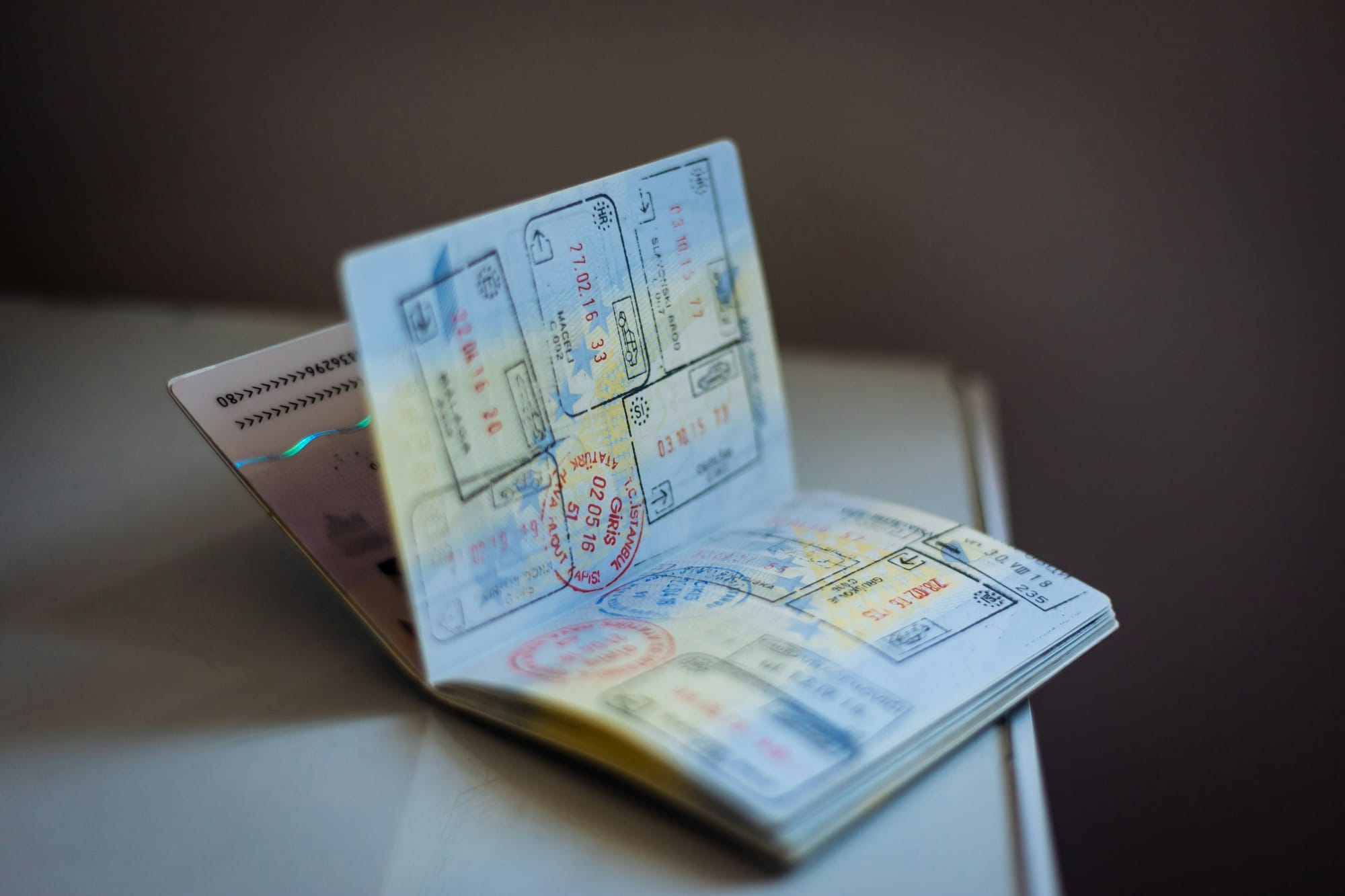
| Passport at all times | Always carry your passport. Police carry out random checks and do not accept printed copies. Under Article 38, foreigners aged 16 and over must carry their passport, or stay or residence permit and accept police inspection. | UK FCDO, Safety and security (checked 9 October 2026); China's Exit and Entry Administration Law, Art. 38 |
| Security checks | Expect airport-style security measures, including passport and security checks at shopping centres, markets and parks. Canada says to expect frequent security checks. | UK FCDO, Regional risks (updated 27 August 2026); Government of Canada (updated 31 August 2026) |
| Phone number, photo and reason for travel | You may need to give security forces your phone number, have your photograph taken and explain why you are travelling. | UK FCDO, Regional risks (updated 27 August 2026) |
| Photography limits | Do not photograph or film protests, large crowds, security officials or installations, or anything of a military nature. | UK FCDO, Regional risks (updated 27 August 2026) |
| Restricted areas and penalties | Foreigners found in restricted military areas without prior authorisation can be detained, fined or deported; signs typically mark these areas, but it may not always be clear. Entering a foreigner-restricted area without approval leads to an order to leave and, where serious, detention of five to ten days. | UK FCDO, Safety and security (checked 9 October 2026); Exit and Entry Administration Law, Arts. 44 and 77 |
| Curfews and delays | Authorities may impose curfews and restrictions at short notice; Canada says to expect significant travel delays. | Government of Canada (updated 31 August 2026) |
For the transit rules, see 240-Hour Visa-Free Transit in China. For the visa-free entry list, see 30-day visa-free entry to China in 2026.
What security checks should you expect in Xinjiang?
UK FCDO and Canada's advice both say to expect security checks and to carry identification at all times. The FCDO describes a significant security presence throughout Xinjiang, and Canada's travel advice says local authorities have put in place invasive security measures.
The FCDO says checks include airport-style passport and security checks at shopping centres, markets and parks, and that you may need to give security forces your phone number, have your photograph taken and explain why you are travelling. Its safety page adds that failure to produce ID can lead to a fine or detention, and Canada says to follow the instructions of local authorities.
The FCDO's own list of people it says may be at increased risk of arbitrary arrest or detention includes:
- people of Turkic descent
- people who have lived previously in Xinjiang
- people whose appearance or practices are perceived to be Muslim
- people who publicly take part in Islamic religious practices
- foreign nationals
Canada's advice separately says you may be at risk of arbitrary detention if you have family or ethnic ties to the region. The FCDO also says the British Embassy's ability to help in Xinjiang is limited.
We suggest reading both sources in full before you book if any of the points above apply to you. For general safety advisories beyond Xinjiang, see Is China Safe to Travel to in 2026? Crime, Health and Advisories.
What should you not photograph in Xinjiang?
The UK FCDO says not to photograph or film protests, large crowds, security officials or installations, or anything of a military nature. Canada advises avoiding gatherings and demonstrations.
The FCDO also advises avoiding all protests and large crowds altogether, not only keeping your camera away from them. Restricted military areas are not always clearly marked, so we suggest keeping cameras and phones away from anything that looks like a security or military site.
Separately, the FCDO says mosques and other religious sites are considered "sensitive" by the authorities. That is not a stated photo ban, but we suggest asking your LocalKey specialist before photographing any religious site, and not taking a photo if you are unsure.
How do you plan a Xinjiang trip around these rules?
Canada's advice says to expect significant travel delays, so we suggest building slack into every day of a Xinjiang itinerary. Canada's travel advice adds that authorities may impose curfews and restrictions at short notice.
- Keep your passport on you. The FCDO says to always carry your passport, and printed copies are not accepted.
- Build in time for checks. We suggest leaving room in each day for security checks, rather than planning tight connections.
- Plan for altitude. Canada's advice says parts of Xinjiang, along with Tibet, Qinghai and western Sichuan, are above 3,000 metres, and high-altitude illness can be fatal. We suggest allowing time to adjust and knowing the symptoms before you travel.
- Check the advice again before you travel. Because restrictions can change at short notice, we suggest reviewing the UK and Canadian advice again close to your departure date.
- Know the lost passport steps. If your passport is lost, see Lost Passport in China.
UNESCO lists Xinjiang Tianshan as a World Heritage site, inscribed in 2013.
Plan your trip with LocalKey
LocalKey can arrange a Xinjiang trip as Independent or Private Guided. Each is your own China trip — planned, booked and backed, not a group tour.
- Independent: you travel on your own with the LocalKey app and 24/7 backup. There is no full-time guide on any day. A local guide, airport pickup, or a private car and driver are optional add-ons you can request on demand. (details)
- Private Guided: an English-speaking private guide and a private car throughout the trip. (details)
Explore our private China tours to compare the two options. Talk to a 1:1 specialist on 7×24 WeChat or WhatsApp to plan your Xinjiang trip around these rules.
Sources
- UK FCDO — China travel advice: Regional risks (updated 27 August 2026) — verified_on 2026-10-09
- UK FCDO — China travel advice: Safety and security — verified_on 2026-10-09
- Government of Canada — China travel advice (last updated 31 August 2026) — verified_on 2026-10-09
- National Immigration Administration — Exit and Entry Administration Law of the People's Republic of China — verified_on 2026-10-09
- National Immigration Administration — Visa-Free Transit Policies, 20 August 2026 — verified_on 2026-10-09
- National Immigration Administration — 240-hour transit permitted areas, 19 December 2024 — verified_on 2026-10-09
- UNESCO World Heritage Centre — Xinjiang Tianshan — verified_on 2026-10-09