For most visitors, high-speed rail is the clearest choice between Hong Kong, Shenzhen and Guangzhou; use the ferry or Hong Kong-Zhuhai-Macao Bridge for Macau, and metro systems for movement within each city. Every crossing between Hong Kong SAR, Macau SAR and mainland China requires the right travel documents and a separate immigration clearance.
Updated: 2026-10-01 · LocalKey consultant team
This guide covers the main visitor hubs in the Greater Bay Area — Hong Kong SAR, Macau SAR, Guangzhou, Shenzhen and Zhuhai (Foshan sits in the same cluster but is not routed here). The area is connected by rail, road and ferry, but it does not have one visa or one travel pass for the whole region. Route planning therefore means choosing both a transport mode and the correct immigration point.
How do you choose between high-speed rail, the bridge, ferry and metro in the Greater Bay Area?
High-speed rail is generally the most direct option for Hong Kong to Shenzhen or Guangzhou, while the ferry and bridge serve Hong Kong to Macau routes. Metro is best for travel within Hong Kong, Shenzhen or Guangzhou rather than for crossing the whole region.
| Path or journey | Best when | Immigration note | Where to check |
|---|---|---|---|
| Hong Kong West Kowloon to Futian, Shenzhen or Guangzhou | You want a direct city-centre rail connection | Complete Hong Kong and mainland procedures at West Kowloon before boarding | MTR high-speed rail departure process |
| Hong Kong to Macau by ferry | You are staying near Sheung Wan or want a direct sea crossing | Clear departure and arrival immigration at the ferry terminals | TurboJET route information |
| Hong Kong to Macau or Zhuhai by HZMB shuttle | You want a frequent road crossing through the bridge | Clear immigration at the relevant Hong Kong, Macau or Zhuhai port | HZMB passenger immigration guide |
| Within one city (Hong Kong, Shenzhen or Guangzhou metro) | Your route stays inside one metropolitan area | No regional border clearance for an ordinary in-city journey | Confirm each city’s current ticket or tap options; for Guangzhou see the foreign card tap-to-ride notice |
| Macau to Zhuhai or Guangzhou | Your itinerary continues from Macau into mainland China | Plan mainland entry clearance at the selected land or bridge port | Macau to Zhuhai and Guangzhou guide |
There is no single visa or travel pass covering the Greater Bay Area. A visitor may need separate immigration clearance when moving between Hong Kong SAR, Macau SAR and mainland China, even when the journey is short.
For a trip combining several cities, make the mode decision around your hotel location, border point, luggage and departure time. A fast train can be the simplest option even when a road route looks shorter on a map, because the rail terminal and immigration process are structured around one booked departure.
How does West Kowloon high-speed rail connect Hong Kong with Shenzhen and Guangzhou?
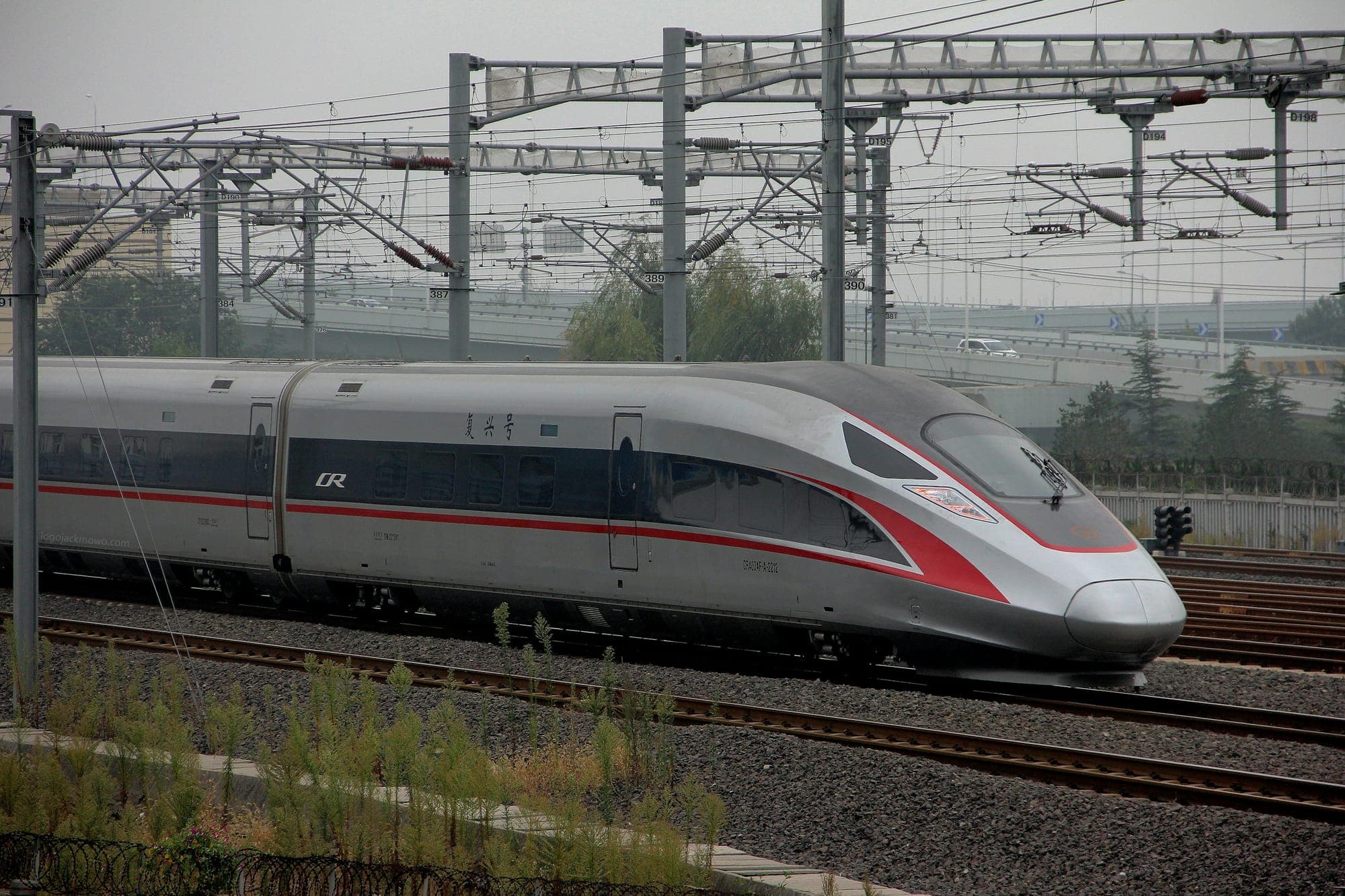
West Kowloon high-speed rail links Hong Kong with Futian and Shenzhenbei (Shenzhen North) in Shenzhen and with Guangzhounan (Guangzhou South) and Guangzhoudong (Guangzhou East) in Guangzhou. Published shortest journey times from West Kowloon are approximately 14 minutes to Futian, 18 minutes to Shenzhenbei, 47 minutes to Guangzhounan and 1.5 hours to Guangzhoudong. Greater Bay Area connectivity information
Choosing the Shenzhen station
Futian is useful for central Shenzhen and connects directly with the city metro network. Shenzhenbei (Shenzhen North) serves a different part of the city and may be more practical for northern districts or onward rail journeys. Check the station name against your hotel and next appointment before booking.
The train is also a useful choice when Guangzhou is part of a larger mainland itinerary. Guangzhounan (Guangzhou South) is the main high-speed rail option listed for the Hong Kong connection, while Guangzhoudong (Guangzhou East) may suit some central Guangzhou journeys. Compare the final metro or taxi leg, not only the train time.
West Kowloon departure process
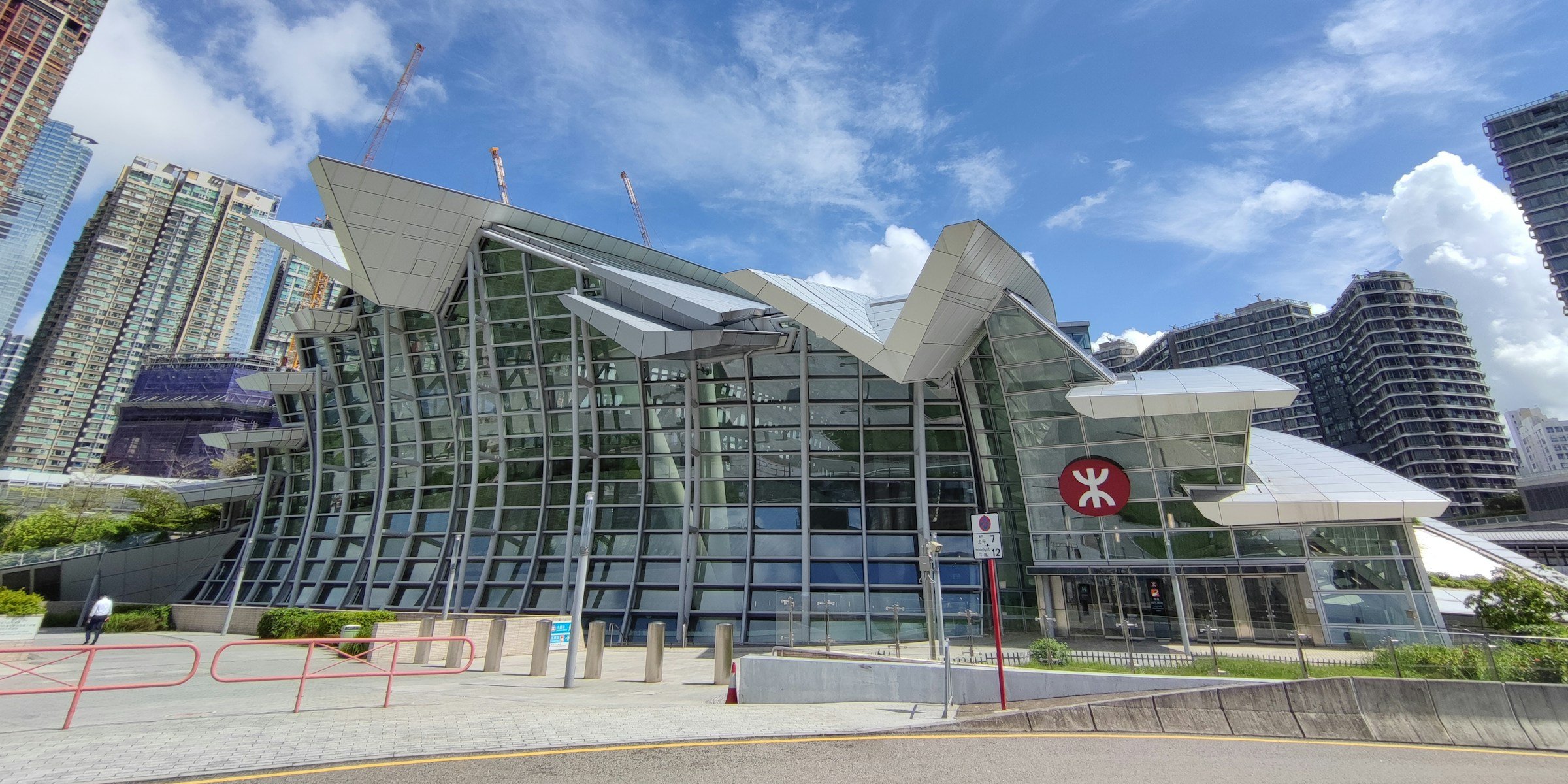
West Kowloon uses a co-location arrangement: Hong Kong departure and mainland entry clearance both happen in the station before you board.
- Complete real-name identity checking and ticket verification at Level B1 (self-service gate or staff counter).
- Complete baggage and security screening.
- At the Departure Concourse on Level B3, complete both Hong Kong and mainland immigration formalities.
- Enter the boarding gate on Level B3 for your booked train.
MTR states that passengers may begin these procedures as early as about 90 minutes before departure and that they normally take around 30 to 45 minutes. Passport holders and travellers at weekends, public holidays, festive seasons or summer peaks should allow extra time. Boarding gates open about 15 minutes before departure and close about 5 minutes before departure. Follow the current instructions from MTR on the day.
Use the same passport used to purchase the ticket. Foreign passport holders can check train availability and purchase through the English 12306 website. Station counters and ticket machines are also available, subject to the station’s current arrangements. For document names, station navigation and ticket collection, see China train stations for foreigners and 12306 train tickets for foreigners.
Do not treat the train as an ordinary metro ride. The booked departure, identity check, immigration sequence and gate closing time all matter. If you are connecting from an airport arrival, ferry, hotel transfer or another train, build in a practical buffer.
How do you get between Hong Kong and Macau by ferry or the HZMB shuttle?
The ferry provides a direct sea crossing between Hong Kong and Macau, while the HZMB shuttle connects Hong Kong Port with Macau Port and Zhuhai Port by road. Both options require immigration clearance at the relevant ports.
Ferry: the straightforward sea route
TurboJET operates services between Hong Kong Macau Ferry Terminal in Sheung Wan and Macau Outer Harbour or Taipa, with a sailing time of approximately 60 minutes. Other routes may also operate, so confirm the terminal and destination before departure. Check the current schedule on TurboJET.
Cotai Water Jet also operates the Sheung Wan to Taipa route. Its published passenger sequence is:
- Purchase or redeem the booking.
- Check in.
- Complete immigration.
- Receive seat allocation.
- Board the vessel.
See the current Cotai Water Jet schedule and boarding process. Taipa is convenient for many Macau hotel areas, while Outer Harbour may suit journeys toward the Macau peninsula. Select the arrival terminal according to your accommodation and onward transfer.
HZMB shuttle: the bridge route
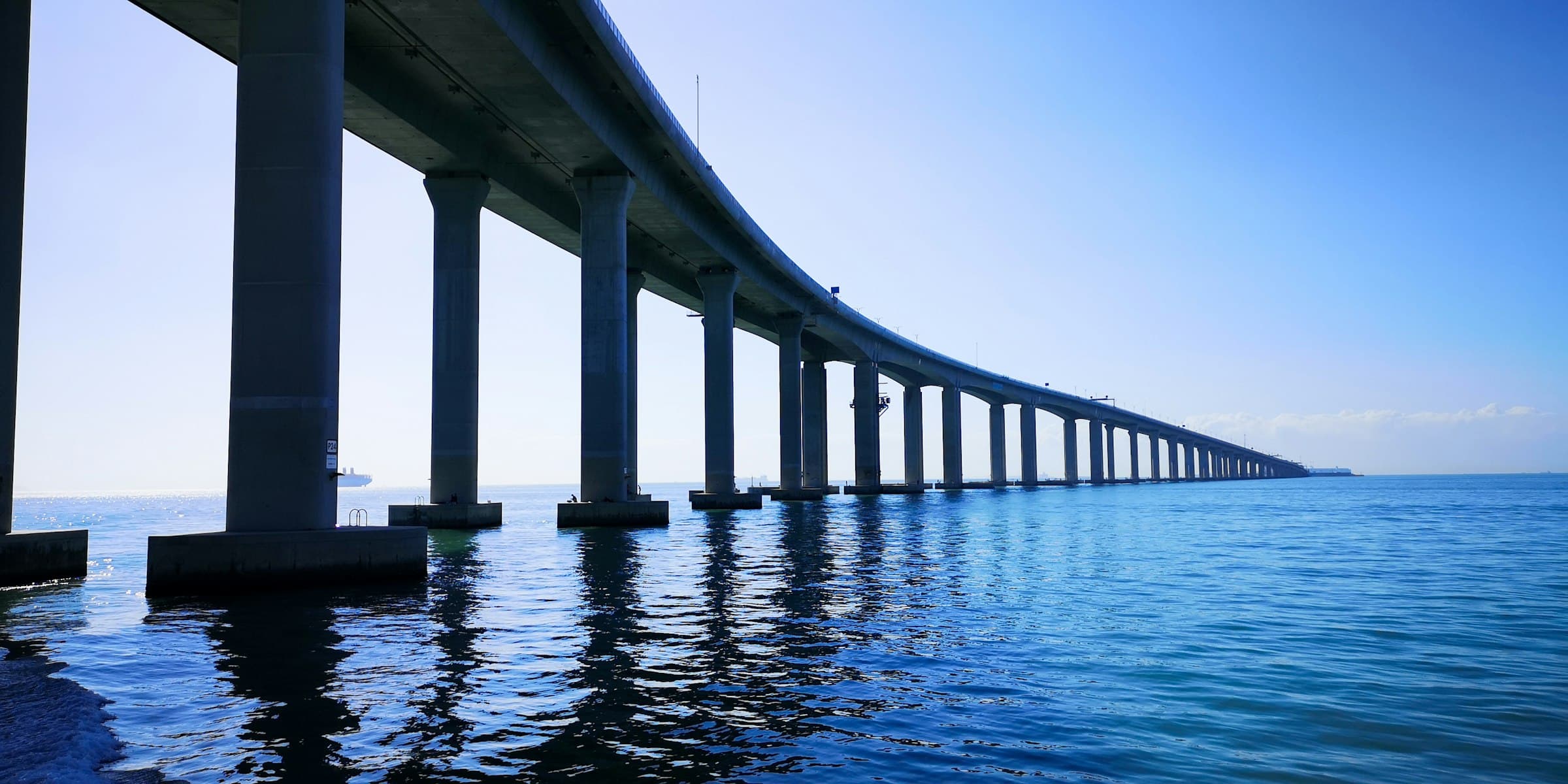
The Hong Kong-Zhuhai-Macao Bridge opened in October 2018. Hong Kong government connectivity pages describe the bridge-cum-tunnel sea crossing as about 41.6 kilometres, or about 55 kilometres when the Zhuhai Link Road is included. Passengers use shuttle services between the Hong Kong, Zhuhai and Macau ports rather than driving the span themselves on a LocalKey trip. Greater Bay Area connectivity information
The HZMB shuttle operator publishes frequent Hong Kong Port to Macau Port and Zhuhai Port services, with daytime peak intervals shown in operator tables of about 5 to 10 minutes. Check the current operating information before setting out.
At Hong Kong Port, visitors clear immigration with valid travel documents. Review the Hong Kong Port passenger immigration guidance and the requirements for your onward destination. The bridge route is especially useful when your itinerary continues directly to Zhuhai or when your accommodation is better positioned for a port transfer than for a ferry terminal.
For detailed crossing choices, document checks and border sequencing, use Hong Kong to mainland China crossings. For Macau, Zhuhai and Guangzhou routing, use Macau to Zhuhai and Guangzhou.
How do foreigners use metro systems in Guangzhou, Shenzhen and Hong Kong?
Metro systems are the practical way to move within each city, but payment and ticket procedures differ by jurisdiction. Foreign visitors should confirm the payment method for each city before relying on one card or mobile wallet across the region.
Guangzhou
From 12 October 2025, Guangzhou Metro has accepted contactless overseas Visa, Mastercard, American Express and JCB cards for tap-to-ride entry and exit at gates, according to the city’s published information. Single tickets also exist. Check current conditions through Guangzhou Metro information, especially if your card issuer applies additional security checks.
Guangzhou is large enough that the nearest station may still require a final walk or local transfer. Match your hotel address to the metro station name and plan the last segment before leaving the train. For neighbourhood context once you arrive, use the Guangzhou destination guide.
Shenzhen
Shenzhen’s metro is useful for central districts, major rail stations and connections across the city. For a Hong Kong to Shenzhen journey, first choose whether Futian or Shenzhenbei is the better arrival station, then use the Shenzhen metro or a local transfer for the final leg. Payment rules can vary by network and visitor setup, so confirm the current station options rather than assuming that a Hong Kong card or mobile wallet will work.
Hong Kong
Hong Kong’s MTR is the default for many city journeys. Octopus is widely used for local transport, while visitors may also use other accepted payment methods depending on the route and gate. See Hong Kong and Macau payment options for visitors.
Metro is not a substitute for border planning. A route from a Hong Kong MTR station to a mainland station still requires a designated crossing, valid travel documents and enough time for immigration. If your phone connection may be unreliable after crossing jurisdictions, review the Hong Kong, Macau and China connectivity guide before departure.
What mistakes should visitors avoid when planning Greater Bay Area transport?
The main planning mistakes are choosing a station by city name alone, underestimating immigration time and assuming that one payment method or ticket works across every jurisdiction.
- Booking the wrong Guangzhou or Shenzhen station: Check the exact station against your hotel, meeting point and onward route.
- Arriving at West Kowloon too late: Passport holders and peak-period travellers should allow extra time for the B1 identity check, B3 immigration and boarding gates.
- Treating Macau and Hong Kong as one transport zone: They are separate immigration jurisdictions within China. A short ferry or bridge journey still requires document checks.
- Choosing the bridge without checking the port: HZMB shuttle services arrive at Hong Kong Port, Macau Port or Zhuhai Port. Your hotel transfer begins from that specific port.
- Choosing a ferry without checking the Macau terminal: Outer Harbour and Taipa serve different areas.
- Assuming a foreign bank card works everywhere: Confirm the current payment method for each metro network, ferry booking and ticket channel.
- Leaving all cross-border bookings until the day: Popular departures, border transfers and carefully timed connections can require advance planning.
- Using a city transfer as a regional solution: Metro is excellent within a city, but it does not replace high-speed rail, ferry or a land crossing between jurisdictions.
- Planning only the fastest vehicle: The best route depends on the full door-to-door journey, including hotel access, immigration, luggage and the final transfer.
Build this trip with LocalKey
Choose an Independent trip when you want a carefully structured route with room to make your own daily choices. Choose Private Guided when you want a 1:1 specialist to coordinate the cross-border sequence, local transport, hotels, guides and transfers.
LocalKey can arrange Hong Kong and Macau hotels, guides and transfers in the same itinerary, and coordinate the wider route through Shenzhen, Zhuhai and Guangzhou. We can also book the transport elements that fit your schedule and connect them to a broader private China tour.
- Independent: a practical multi-city plan with transport logic, hotel coordination and specialist guidance.
- Private Guided: a fully coordinated route with a 1:1 specialist and local support.
- Contact LocalKey for a 1:1 specialist and 7×24 WeChat/WhatsApp support.
If your route includes food, neighbourhoods, museums or other culture experiences, transport should be designed around the places you actually want to visit rather than added afterward.
Sources
Verified on 2026-10-01.
- Greater Bay Area connectivity: rail times and Hong Kong-Zhuhai-Macao Bridge
- MTR West Kowloon departure process
- 12306 English ticketing site
- HZMB Hong Kong Port passenger immigration guide
- HZMB shuttle operator
- TurboJET ferry information
- Cotai Water Jet Hong Kong to Taipa information
- Guangzhou Metro foreign card tap-to-ride notice