Where to see Miao culture in Guizhou
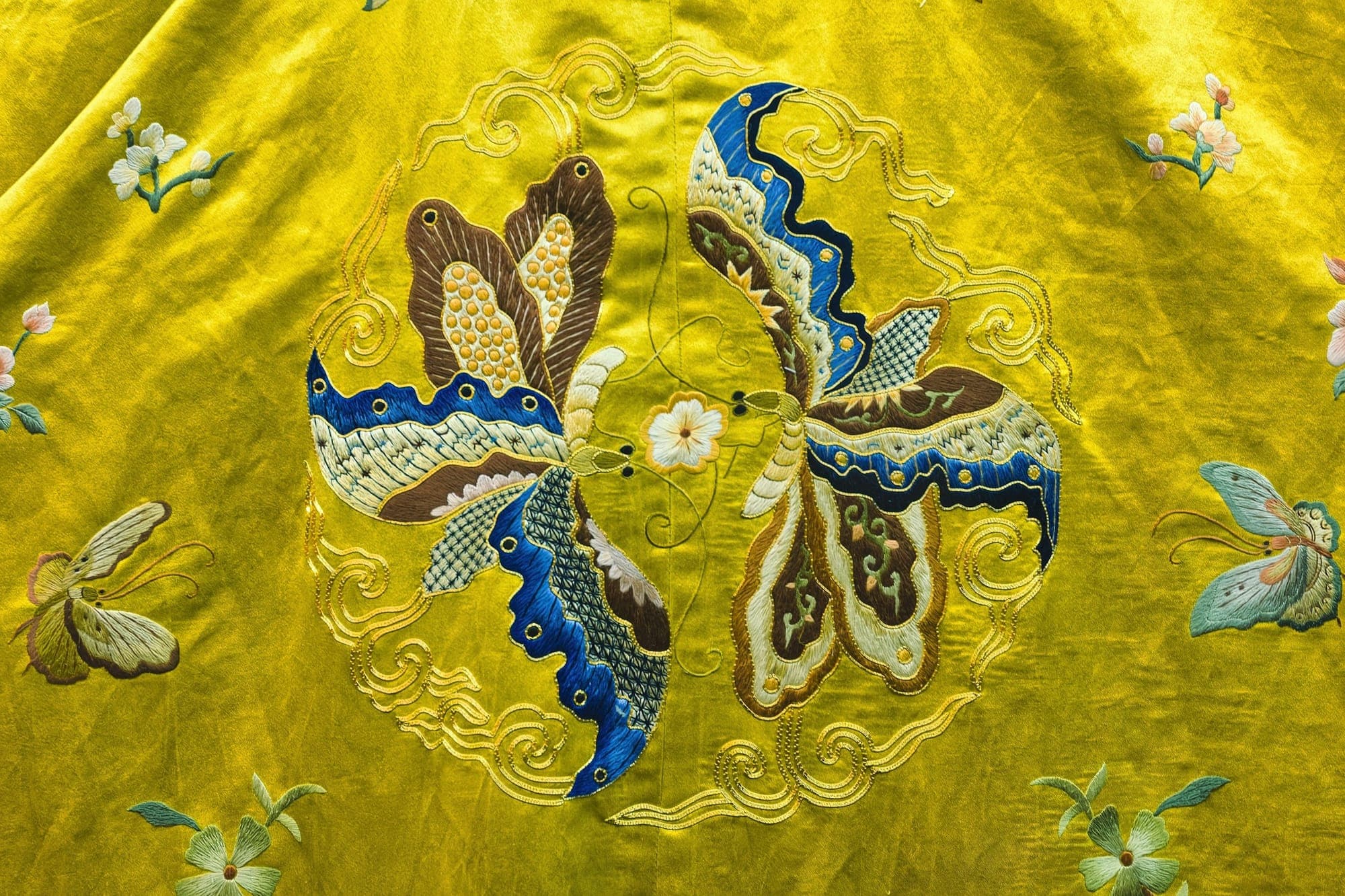
The Miao are an ethnic group of over 10 million people living in southern China, Lao PDR, Thailand and Viet Nam. Their history is carried in oral traditions and in their garments, hairstyles, designs and colours. In Guizhou, Miao costumes have more than 100 subtypes, each with its own embroidery style, using animal, plant, human and geometric motifs. The same pattern can look different from one village to the next, so ask the maker what a motif means.
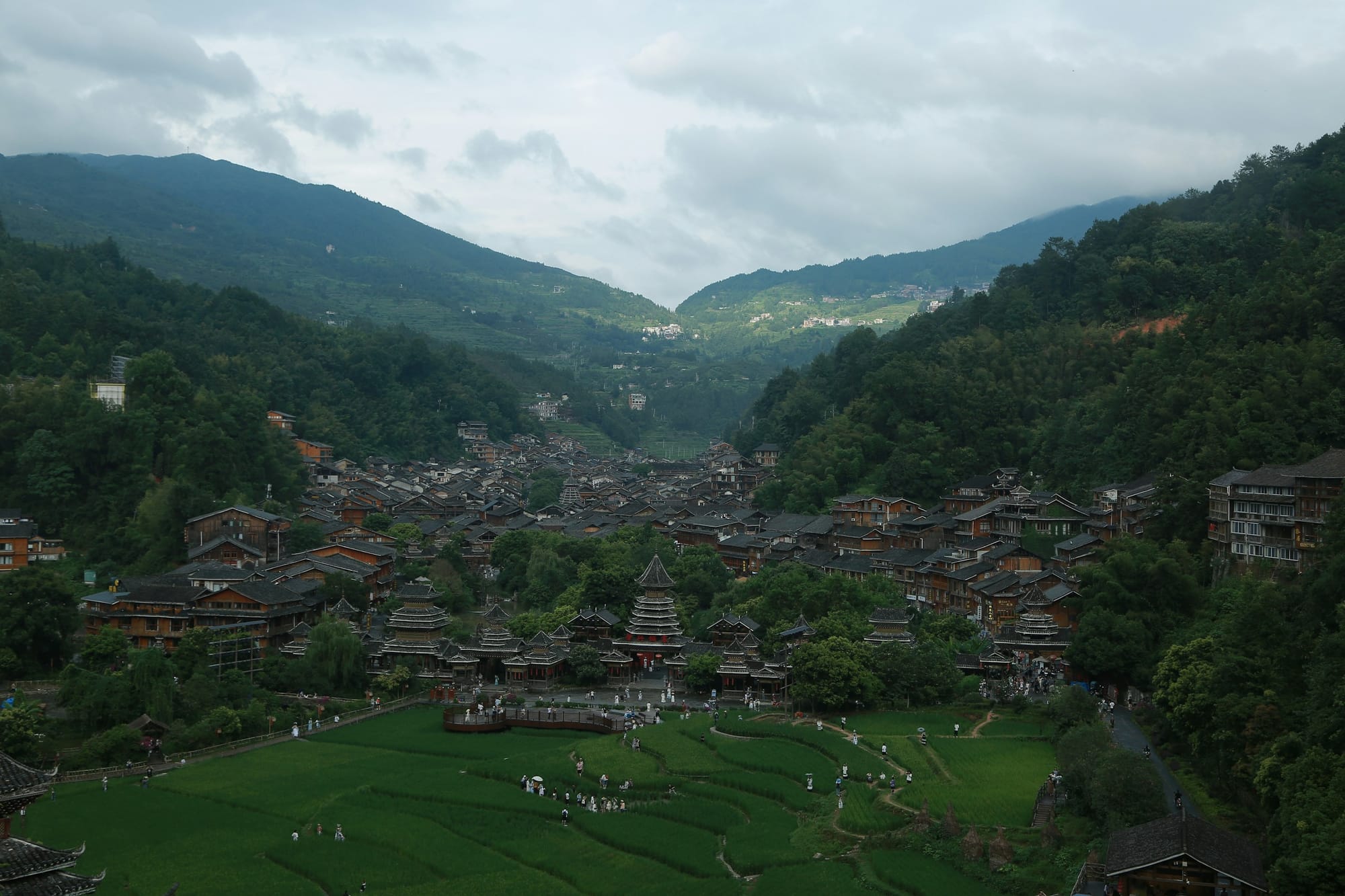
Qiandongnan, the Miao and Dong autonomous prefecture in south-east Guizhou, is the main base. Leishan, Taijiang, Jianhe and Kaili are all in it. Guiyang, the provincial capital, has its own embroidery area in Huaxi district, but spend the days you care about in or near Qiandongnan, so your time goes to craft visits and not repeated transfers.
Choose a base: Leishan or Taijiang
- Leishan, for crafts. Embroidery, silver ornament forging, Lusheng making (bamboo-and-brass pipes, taught master to apprentice), stilted-house building, and the Guzang festival are all listed here. It is the better base if you want to watch makers at work.
- Taijiang, for festivals and performance. The Sisters' Festival, Miao ancient songs and the wooden drum dance are listed here. It is the better base if your trip is built around a festival.
Embroidery is also listed in Jianhe and Huaxi, and Lusheng dance in Danzhai, Guiding and Nayong.
Crafts are easier to plan than performances. A workshop visit can often be arranged ahead; dances, songs and festivals depend on local events, so treat them as a bonus unless you have confirmed dates. Not every workshop or event runs every day, so check before you commit.
How long to stay and how to plan
Allow a few days around one craft or one festival. Going back to the same workshop or market twice usually gives you more than a longer list of stops.
- Festival dates move every year. We do not list 2026 festival dates here. In 2025 the Sisters' Festival in Taijiang was scheduled from 11 to 19 April, and many hotel rooms and dining slots in the county were fully booked well in advance. If a festival is your reason to go, get the current dates and book early.
- Keep plans loose. Hold flights and onward travel loosely until local dates are confirmed, and leave one open day at either end of the Qiandongnan stay.
- Keep other regions separate. Travel between villages takes time, so give Guilin or Yunnan their own days; see our Guilin destination page and Yunnan China 2026.
How to behave in Miao villages
Miao villages are lived-in communities, so treat them as people's homes. Ask before photographing people, especially at festivals, and accept a refusal gracefully. Clothing and silver ornaments are personal items, not props: gesture to your camera and wait for a clear yes.
At festivals, arrive early, stand at the edge and follow local hosts on where to stand and when to join in. Keep noise down near homes, and ask your host if you are unsure whether somewhere is open to visitors.
When you buy crafts, watch first, ask the maker how a piece was made, and agree the arrangements clearly before you commit. Set up Alipay for Foreigners before you travel and carry a little cash; sellers in smaller places may prefer other methods, so ask politely.
Plan your trip with LocalKey
LocalKey Travel is a licensed China travel agency since 2009. With Independent, you move on your own with the LocalKey app and chat support, free to linger at a workshop, adding a local guide, airport pickup or car and driver if you want them. With Private Guided, an English-speaking private guide and car stay with you throughout, to introduce you to makers and translate questions about technique. Tell us your dates, and we will plan the route to your village with you.
Background
These Miao crafts and festivals are in the State Council's first batch of national intangible cultural heritage items, published in 2006. Guizhou counts 17 national-level and 54 provincial-level embroidery projects. UNESCO notes that many traditional costume-making techniques are at risk as modern synthetic clothing replaces them.
Sources
- first national intangible cultural heritage list (2006)gov.cn · State CouncilChecked Oct 16, 2026
- Miao embroideryeguizhou.gov.cn · Guizhou government (eGuizhou)Checked Oct 16, 2026
- Traditional festival boosts county economy in Guizhou, updated 9 April 2025eguizhou.gov.cn · Guizhou government (eGuizhou)Checked Oct 31, 2026
- Miao/Hmong costume-making workshopich.unesco.org · UNESCO ICHChecked Oct 16, 2026
- Miao Lusheng makingihchina.cn · China ICH Digital MuseumChecked Oct 16, 2026