The few rules that still matter are below. Money setup and arrival logistics live on linked pages, including Independent China first day and Alipay for foreigners.
Do you tip in China in 2026?
No, you do not tip in ordinary mainland restaurants, taxis, DiDi or standard hotels. Pay the listed menu price or the app fare.
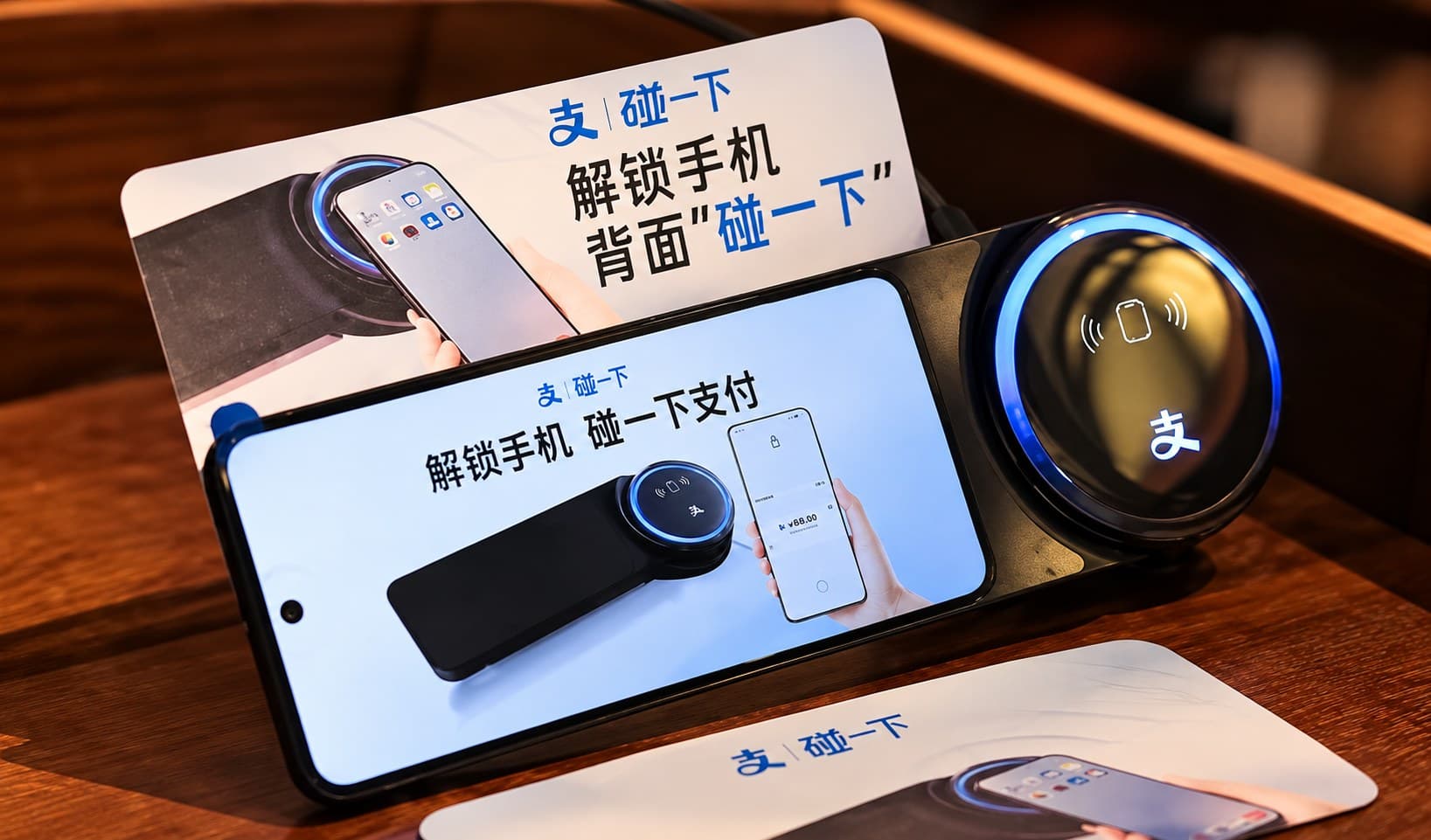
If you leave cash on a table, a server will often run after you to return it. Alipay and WeChat Pay have no tip field for ordinary payments, so you pay the bill total when you scan. For setup, see how first-time visitors set up Alipay and WeChat Pay.
Some upscale bills already show a service charge. That line is part of the bill, not a request to add cash.
For a private guide or driver, a thank-you at the end is optional and voluntary. Chinese tourism law says guides must not solicit tips. A guide may not demand extra money. Confirm what your booking includes before you travel.
In Hong Kong and Macau, tipping practice differs from the mainland. See our Hong Kong, Macau and mainland money guide.
What dining etiquette still matters for tourists?
Share dishes openly, use serving chopsticks when they are on the table, and never leave your chopsticks sticking upright out of a bowl.
Most meals share dishes. When serving chopsticks sit by a platter, use them to move food to your own bowl or plate.
Never plant chopsticks upright in a bowl of rice. That shape recalls funeral incense. Lay them flat on the bowl rim or on a rest. Do not tap the bowl rim with chopsticks. Do not pass food chopstick to chopstick — put it on the other person's plate instead.
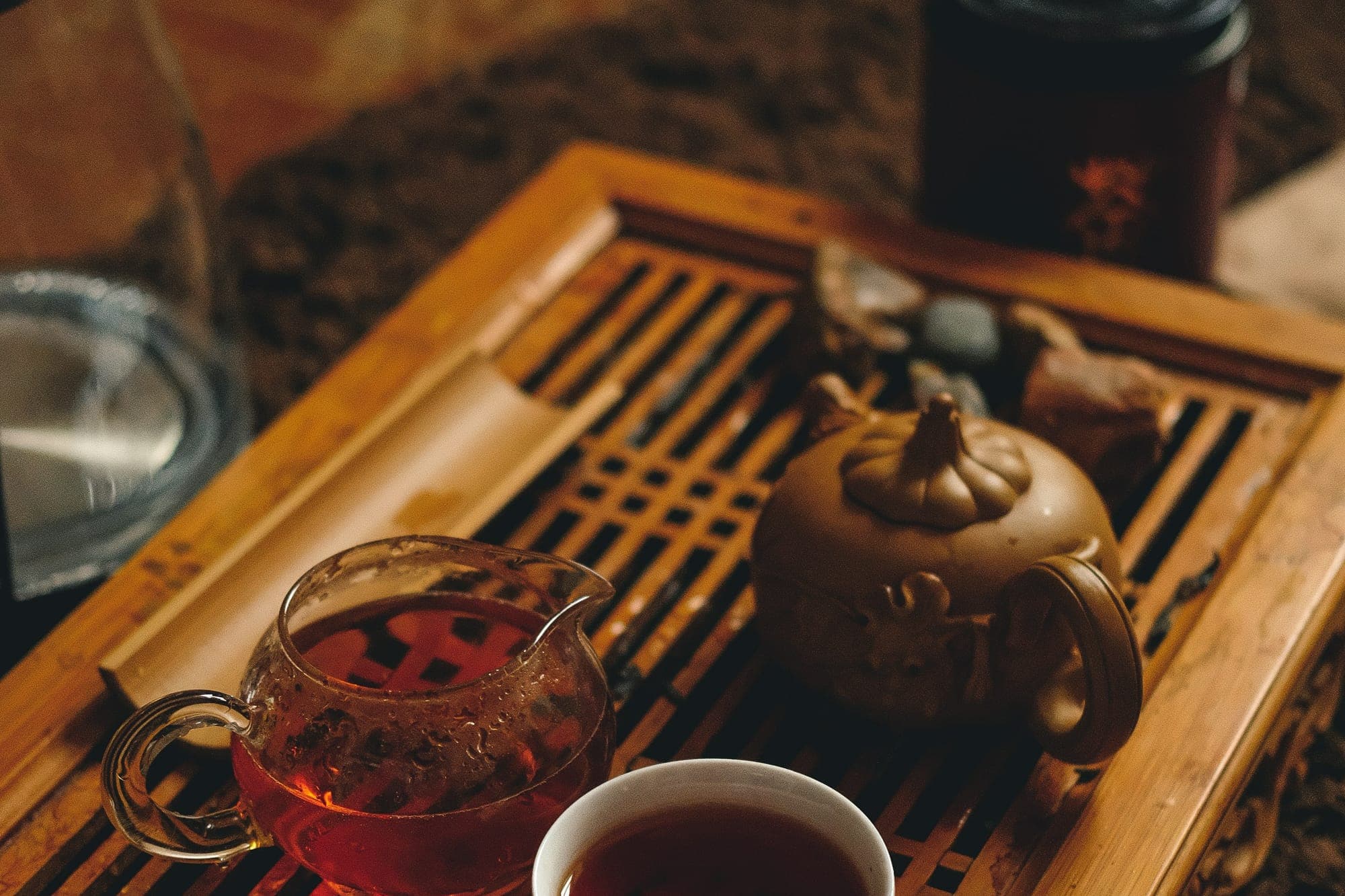
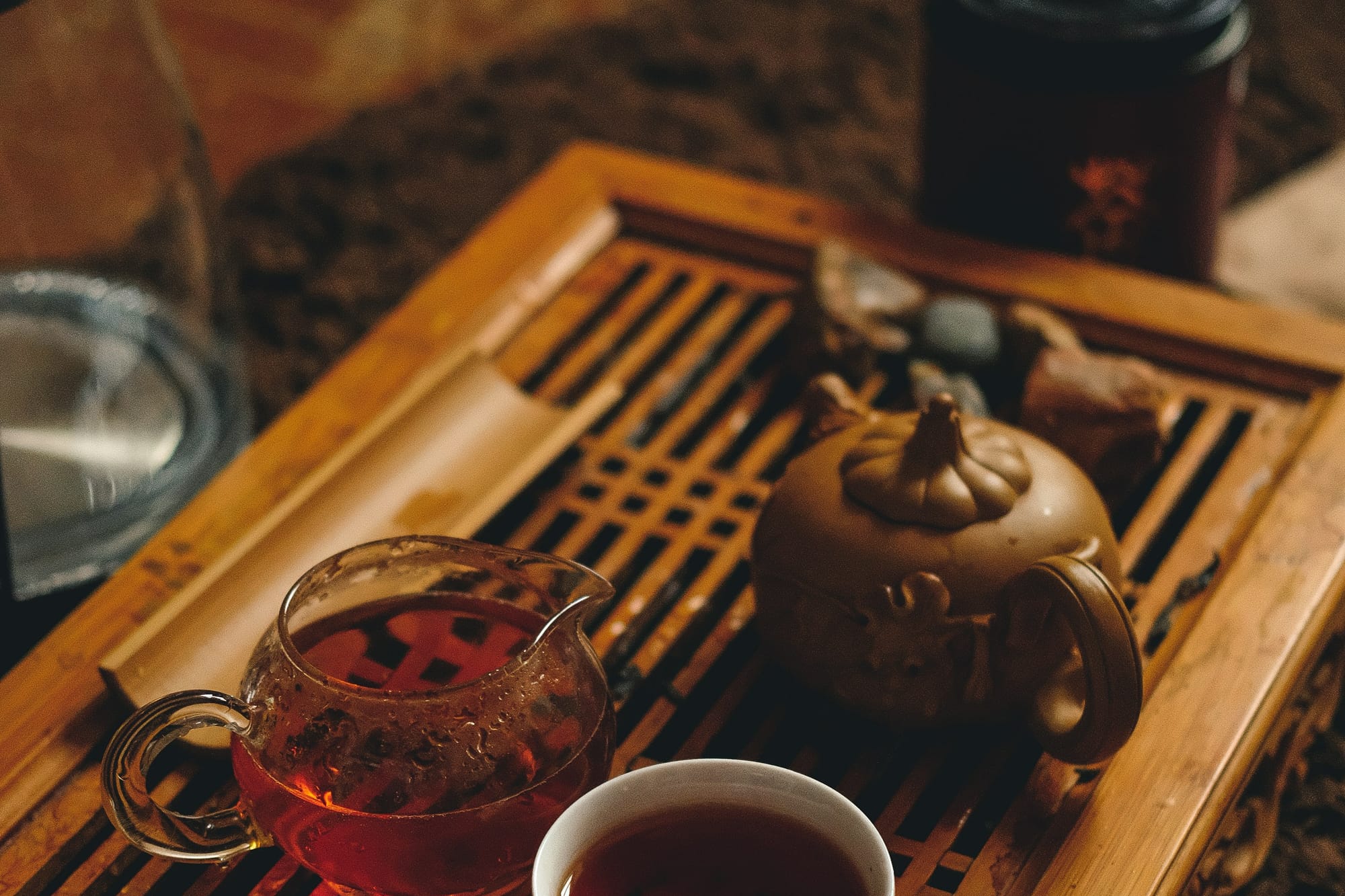
At a hosted meal, wait for the host to seat you. Let older guests sit first. If you skip alcohol, toast with tea or water. Hold your glass a little lower than an elder's when you clink. Read Chinese tea culture for tea-table habits.
The host usually pays. One polite offer to pay is enough. See the Shanghai Municipal Government guide to table etiquette in China. Hotpot table notes are on the Chongqing hot pot page.
How should you behave at temples and when taking photos?
Dress with covered shoulders and knees at active religious sites, remove your hat inside worship halls, and look for signs before photographing indoor shrines.
Buddhist and Daoist temples welcome respectful travelers across China. When entering temple complexes, sensible clothing prevents issues. While casual walking clothes are fine in courtyards, avoid revealing attire when entering main prayer halls. Keep shoulders and knees covered as a basic sign of respect. Remove sun hats, caps and sunglasses before stepping across the threshold.
Temple grounds are places of worship. Step over the raised threshold at hall doors. Keep your voice low and your phone silent. Do not point a finger at statues or monastics; use an open palm if you need to indicate something. Where the custom applies, walk clockwise around a stupa.
Outdoor courtyards are usually fine to photograph. Inside shrine halls, photos are often banned — follow signs and staff. Ask before close-up photos of people, especially elders, children and monastics. Do not interrupt anyone in prayer.
For costume shoots at historic sites, see hanfu for foreign travellers.
How do greetings and public manners work day to day?
Offer a light handshake or a nod when greeting someone, use professional titles with family names in formal settings, and avoid bowing.
Everyday greetings in modern China are uncomplicated. A gentle handshake or a nod with a friendly smile is the standard greeting. Bowing from the waist is common in Japan and Korea, but it is not a Chinese everyday greeting. Older people are traditionally greeted first in group situations. In business or formal introductions, address people by their family name preceded by a title, such as Director or Manager, or use standard courtesy titles.
Handing items to others has a quiet code:
- Offer and receive business cards with both hands.
- Take a moment to read a business card before placing it on the table.
- Offer gifts using both hands to signal full attention and goodwill.
- Use both hands when receiving a gift in return.
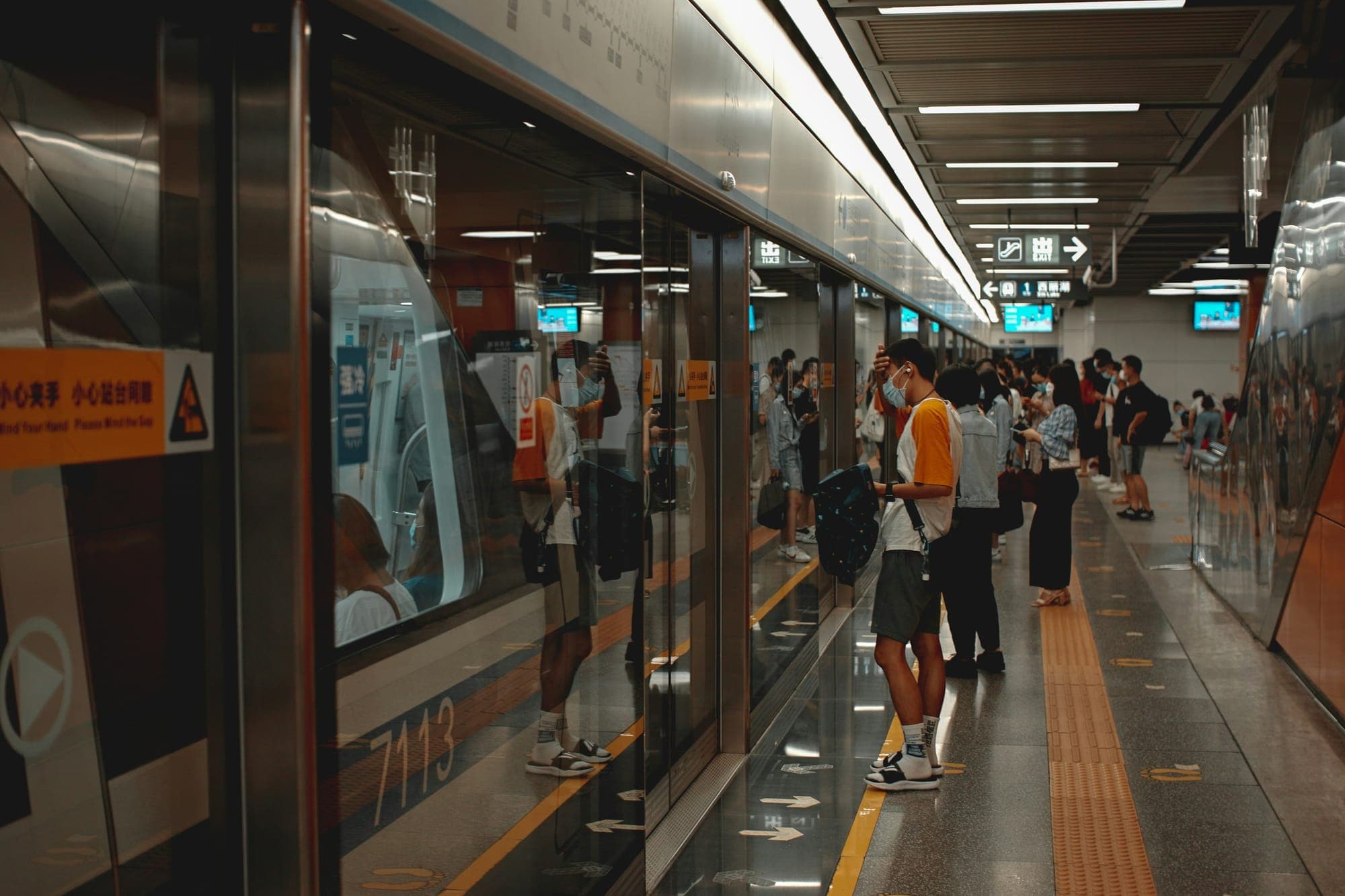
Public transport manners keep crowded cities moving smoothly. On metro lines and high-speed rail, passengers generally queue to let departing riders disembark first. On long-distance trains, keep voice volume reasonable and use headphones for phone calls or videos. For more tips on train etiquette, review our China bullet train experience guide.
Smoking regulations have expanded across major metropolitan areas. Many indoor public spaces, transit hubs and restaurants prohibit indoor smoking. Look for posted signs and smoke only in designated outdoor zones.
Handling small misunderstandings requires emotional restraint. In Chinese social interactions, public displays of loud anger cause everyone present to lose face. Raising your voice, shouting or banging on counters will slow down a resolution rather than speed it up. Stay calm, speak quietly, and ask your hotel desk or bilingual guide for assistance. For pressing safety issues, consult our directory of emergency contacts for China travel.
Gift-giving rarely arises on short vacations, but basic rules apply if you visit a home. Avoid giving wall clocks or desk clocks, as the phrase for giving a clock sounds like attending a funeral. Avoid sharp objects like knives or scissors, which suggest cutting a relationship. Avoid gifts centered around the number four, which shares a sound with the word for death. Fruit baskets, quality tea or specialty treats from your home country make safe choices.
What China etiquette myths can you ignore?
You do not need to bow, you do not need to refuse a gift three times in casual settings, and you do not need to worry that declining to tip will offend anyone.
The first myth is the three-refusal ritual. In casual 2026 city settings it is overstated. When a host offers water or a small gift, a thank-you with both hands is enough. Mirror your host rather than performing a script.
The second myth is bowing. A nod or handshake works in hotels and restaurants. A waist bow is not a Chinese everyday greeting.
The third myth is that tipping always insults people. Staff usually return leftover change because tips are not expected, not because they feel slighted.
Finally, do not confuse everyday manners with border rules. Luggage items, electronics and power banks operate under strict legal limits rather than social customs. For rules on what you can carry in and out of the country, consult our customs allowance guide for bringing goods home from China.
Trips that include this
These LocalKey routes put etiquette moments — shared meals, temples and city days — into a clear first trip:
- First-Time China, 9 days: Beijing, Xi'an and Shanghai.
- First-timer with Yangshuo, 10 days: the classic cities plus Guilin and Yangshuo.
- Grand China, 14 days: Beijing, Xi'an, Chengdu, Yangshuo and Shanghai.
You can see more routes on China tours. LocalKey plans private trips for your own party, planned, booked and backed, as Independent or Private Guided under private China tours. On Independent, a local guide, a car and driver, or an airport pickup is an optional add-on on the days you choose.
Etiquette questions usually settle once the few rules above are clear. Want different dates or help with banquet and temple days? Start a custom route.
Sources
- Chinese Etiquetteenglish.visitbeijing.com.cn · Visit BeijingChecked Nov 7, 2026
- Beijing Travel Tipsenglish.visitbeijing.com.cn · Visit BeijingChecked Nov 7, 2026
- Guide to table etiquette in Chinaenglish.shanghai.gov.cn · Shanghai Municipal GovernmentChecked Nov 7, 2026
- Eight things to know about Chinese chopsticksenglish.shanghai.gov.cn · Shanghai Municipal GovernmentChecked Nov 7, 2026
- PRC Tourism Law (gov.cn)gov.cnChecked Nov 7, 2026