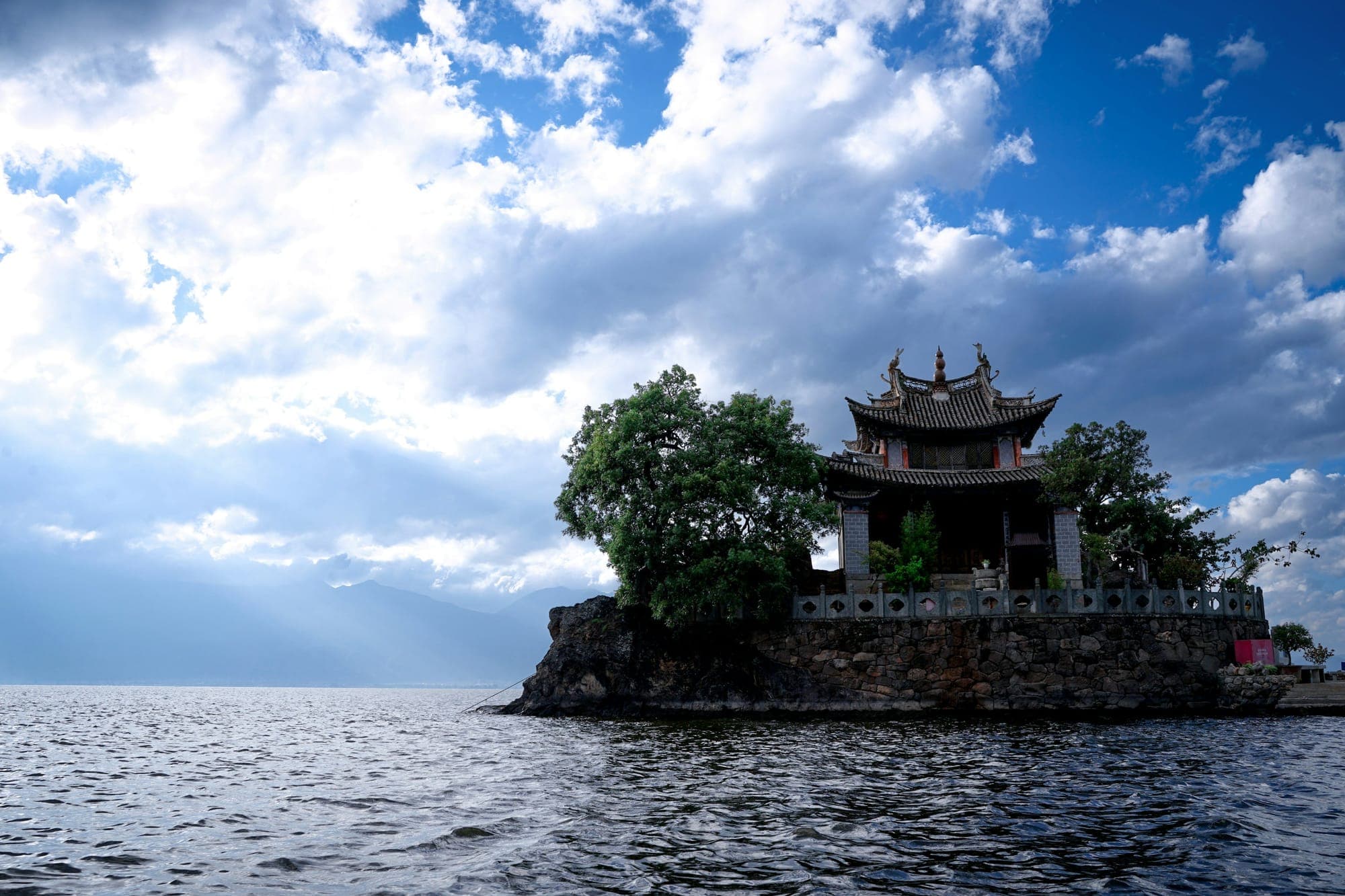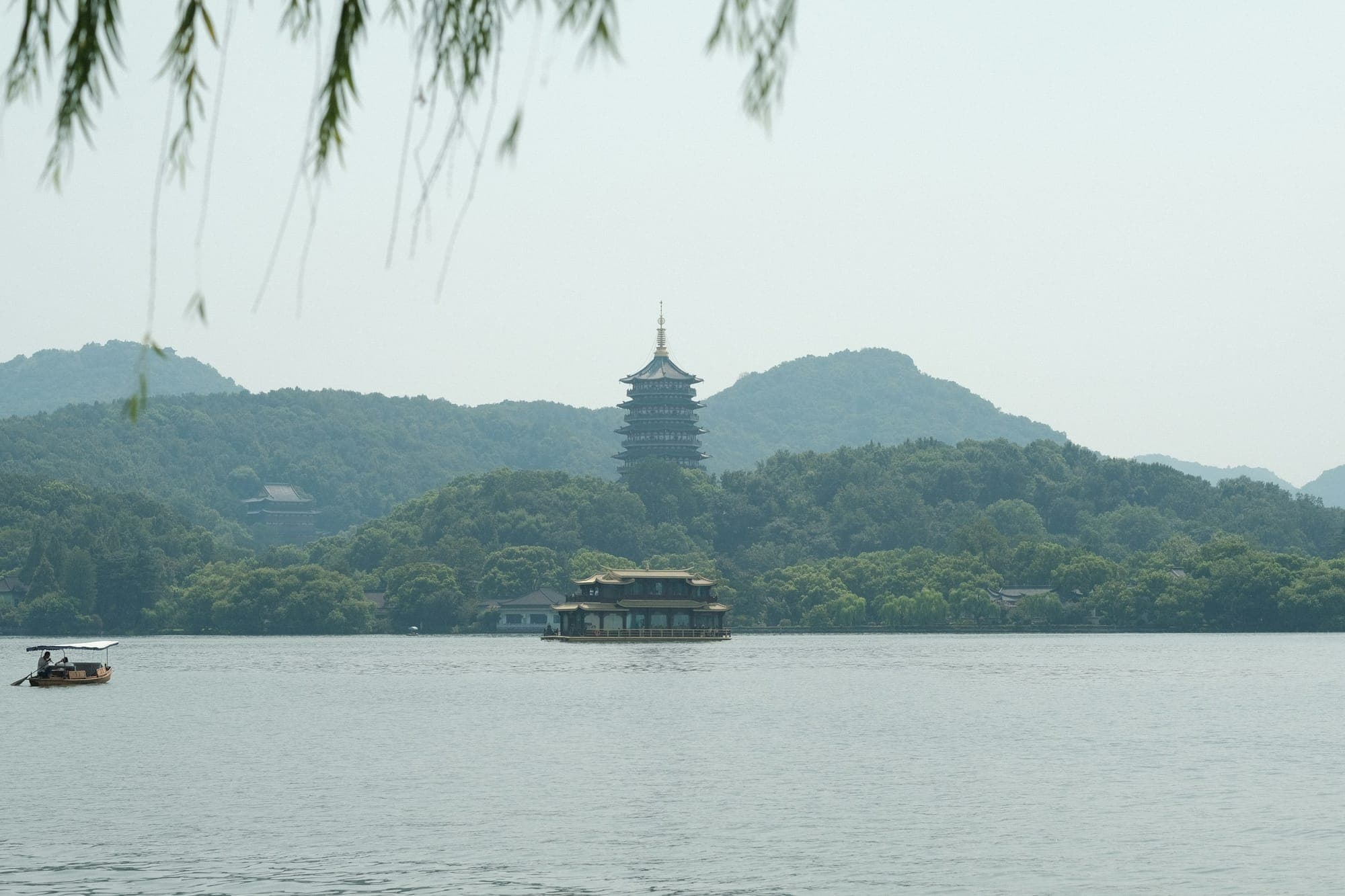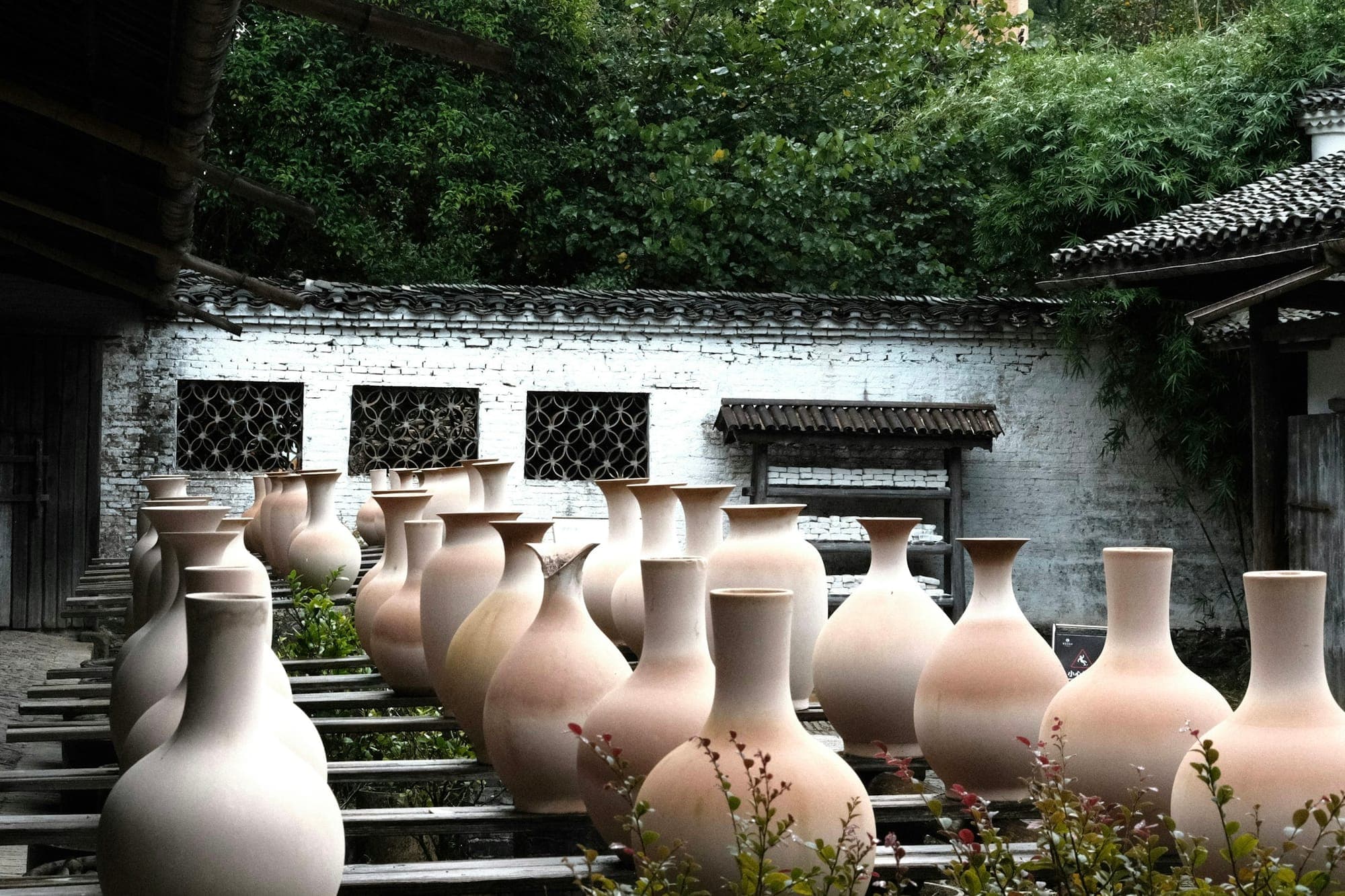
Xishuangbanna in 2026 centers on Dai courtyard life: a town street in Jinghong, a dry-column house, a tropical market stall, and tea hills in the background. It offers a cultural stay rather than a packaged rainforest coach tour.
Travelers can experience the region through independent or private guided travel without joining group rainforest circuits, exploring regional culinary traditions like compressed tea on Pu'er tea brick experience 2026 and noodle dishes on Crossing-bridge noodles 2026.
The prefecture is a Dai town, not a rainforest circuit
Xishuangbanna Dai Autonomous Prefecture is structured around Dai cultural traditions rather than organized tourist shows. The Xishuangbanna Dai Autonomous Prefecture festival brief records the Dai calendar that guides the year: Sangkhan Bimai (the Water-Splashing Festival, Dai New Year), Haowasa (the rain-retreat, often called the Closing-Door Festival), and Aowasa (the Opening-Door Festival).
The Water-Splashing Festival is inscribed on the national intangible cultural heritage list. The China ICH Digital Museum records the celebration as the Bathing-the-Buddha Festival, known in Dai as Bimai and held in the sixth month of the Dai calendar around Qingming. The official listing documents the week's traditional observances: water splashing, ganbai fairs, dragon-boat racing, bathing the Buddha, chanting, zhangha singing, the peacock dance, and the white-elephant dance.
Local household crafts are recognized on national heritage inventories. Dai brocade weaving is listed as second-batch national intangible cultural heritage (VIII-106, 2008) from Xishuangbanna, recording courtyard loom patterns featuring lotus, areca, peacock, elephant, and stupa designs. The National Ethnic Affairs Commission second-batch minority list also recognizes palm-leaf scripture making, the Dai narrative Zhaoshutun and Namu Nuona, and the Dai elephant-foot drum dance.
The surrounding forest is an official conservation area rather than an amusement attraction. The Yunnan Provincial Forestry and Grassland Administration records Xishuangbanna National Nature Reserve across Jinghong, Mengla, and Menghai in five sectors—Mengyang, Menglun, Shangyong, Mengla, and Manga—covering 242,510 hectares. Founded in 1958, designated national in 1986, and joined to the UNESCO Man and the Biosphere programme in 1993, the reserve protects tropical rainforest, monsoon forest, the Asian elephant, and wangtianshu (Parashorea chinensis).
Courtyard life: a house, a fair, a tea-hill road
Dai town life takes place in raised wooden courtyards, working market stalls, and tea-growing valleys. Prefecture culture-and-tourism reporting on Manhena Old Village in Jinghong's Mannongfeng street describes traditional ganlan dry-column timber-and-bamboo architecture, golden Dai wells, village lanes, seasonal ganbai gatherings, and workshops for brocade weaving, papermaking, and Dai script. Visitors can walk the village lanes without booking multi-village tourist circuits.
The festival ganbai fair sits on river flats or open fields under shade sheds, alongside drums and stalls, as recorded in intangible cultural heritage listings. An ordinary morning market is a working food market where visitors can order and pay at working stalls without booking a market package.
The tea hills form the backdrop to the roads west of Jinghong. Pu'er tea-making technique (tribute tea making and Dayi tea making), Menghai, is recognized on the National Ethnic Affairs Commission second-batch list. Travelers can observe the hillside terraces along the route or choose a dedicated tasting table in town rather than booking plantation coach excursions.
| Place | Official record | What you do | What it is not |
|---|---|---|---|
| Dai courtyard | XSBN gov: Manhena Old Village; dry-column houses, wells, lanes | Walk the lanes and look in where a courtyard is open | A stockade-tour package |
| Tropical stall | ICH Dai Water-Splashing Festival: ganbai on festival weeks; ordinary morning stalls | Order food and pay at a local morning stall | A fruit-tour combo |
| Dai brocade / palm-leaf scripture | ihchina VIII-106; NEAC: palm-leaf scripture making, Xishuangbanna | Watch a loom or palm-leaf writing if a room is open | A craft-factory hour |
| Tea hills as setting | NEAC: Pu'er tea-making technique, Menghai | Pass the hills and sample a tea cake at a dedicated table | A plantation coach |
| Rainforest reserve | Yunnan forestry: 242,510 ha; five sectors; MAB 1993 | Visit only areas the reserve opens to visitors | A rainforest-tour package |
Sources: XSBN festivals; XSBN Manhena; ihchina Dai Water-Splashing Festival; ihchina Dai brocade weaving; NEAC second batch; Yunnan forestry reserve.
How this sits in an Independent or Private Guided week
Jinghong is the practical base, because its courtyards and morning markets sit on the same streets. Spend the nights there rather than packing a distant rainforest park and a Menghai tea factory into one rushed day trip. Xishuangbanna is also a separate southern region of Yunnan, not an extra stop on the Lijiang, Hani terraces or Kunming and Shilin routes described in Yunnan China 2026.
Your own China trip, planned, booked and backed, in two private ways. Independent: we plan the route and book hotels, trains and tickets; you travel on your own with the LocalKey app and 24/7 WhatsApp or WeChat support. There is no full-time guide: a guide for set times or sights, an airport pickup, or a car and driver are optional add-ons. Private Guided: the same planning, with an English-speaking private guide and a private car throughout. A car and driver is most useful for outlying village lanes and the tea-hill roads west of Jinghong.
Set up Alipay before you travel. A single courtyard visit, a market stall meal, and an open craft workshop provide a complete introduction to Dai culture.
If you want the week booked, not a rainforest tour
LocalKey books customized independent travel. We do not sell group tours. We do not sell a Xishuangbanna rainforest coach.
LocalKey Travel is the visitor brand of Guangdong Xingcheng International Travel Agency (est. 2009).