Updated 9 October 2026 · LocalKey consultant team
For a first hiking trip in China, we suggest one restored Great Wall section near Beijing, the Huangshan trails, or Mount Taishan's 6,660 steps, and Tiger Leaping Gorge if you want a longer trail in Yunnan. Book Huangshan in advance, because it needs real-name, time-slot reservations; never climb unrestored "wild" Great Wall, which Beijing's regulations in force from 1 March 2026 target; and plan for altitude in Tibet, Qinghai, western Sichuan and parts of Xinjiang, which Canada notes exceed 3,000 metres.
Where can you hike in China as a first-time visitor?
This table compares six hikes for first-time visitors. Five of them are UNESCO World Heritage sites, and the inscription years are shown; Tiger Leaping Gorge is included as LocalKey advice for a longer trail in Yunnan.
| Hike | Where | What the official source says | More detail |
|---|---|---|---|
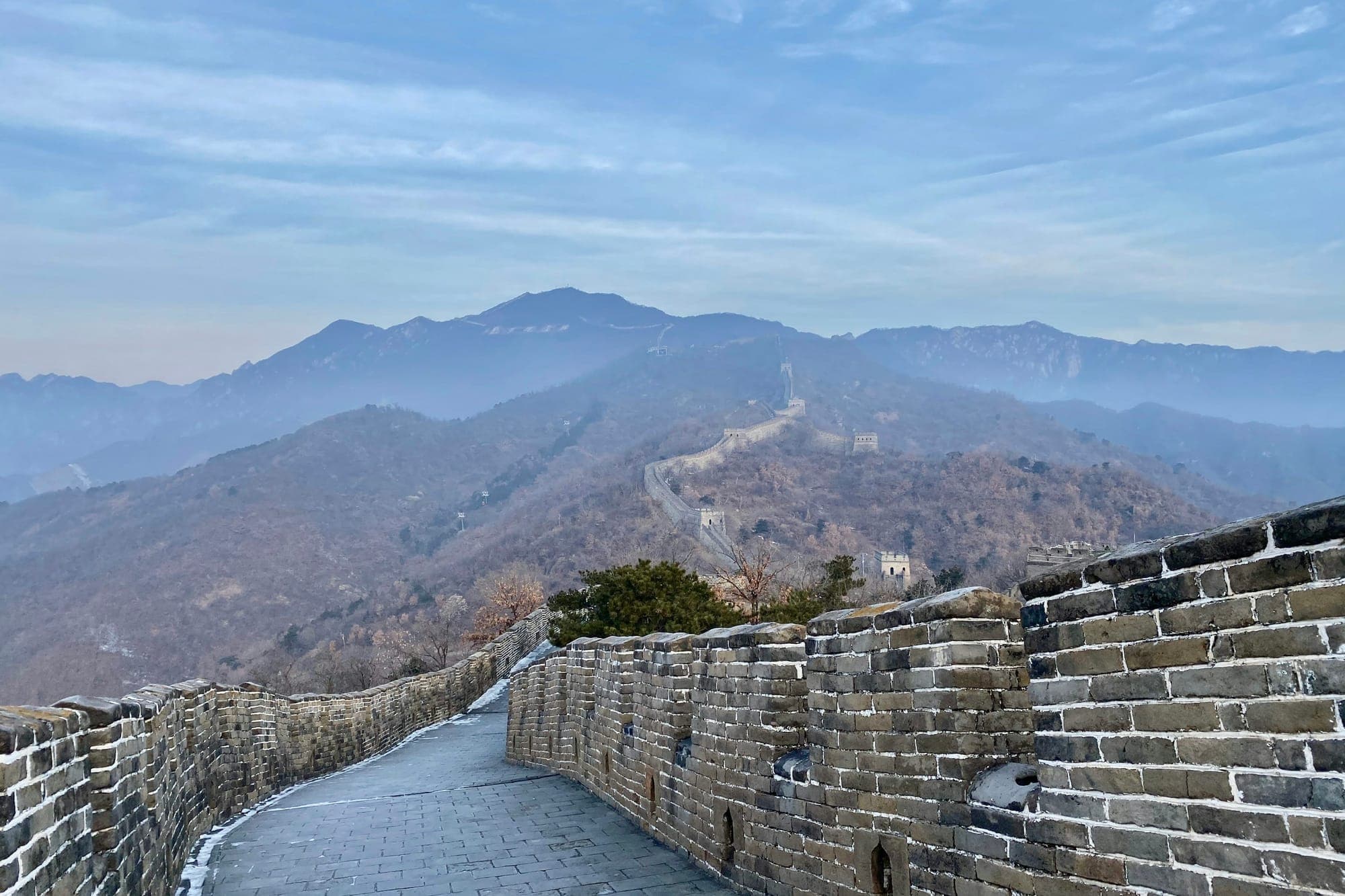
| Great Wall restored sections near Beijing | Beijing | Inscribed by UNESCO in 1987. Beijing's Great Wall regulations, in force from 1 March 2026, target climbing of unrestored or non-open "wild" sections. | Great Wall: how to visit |
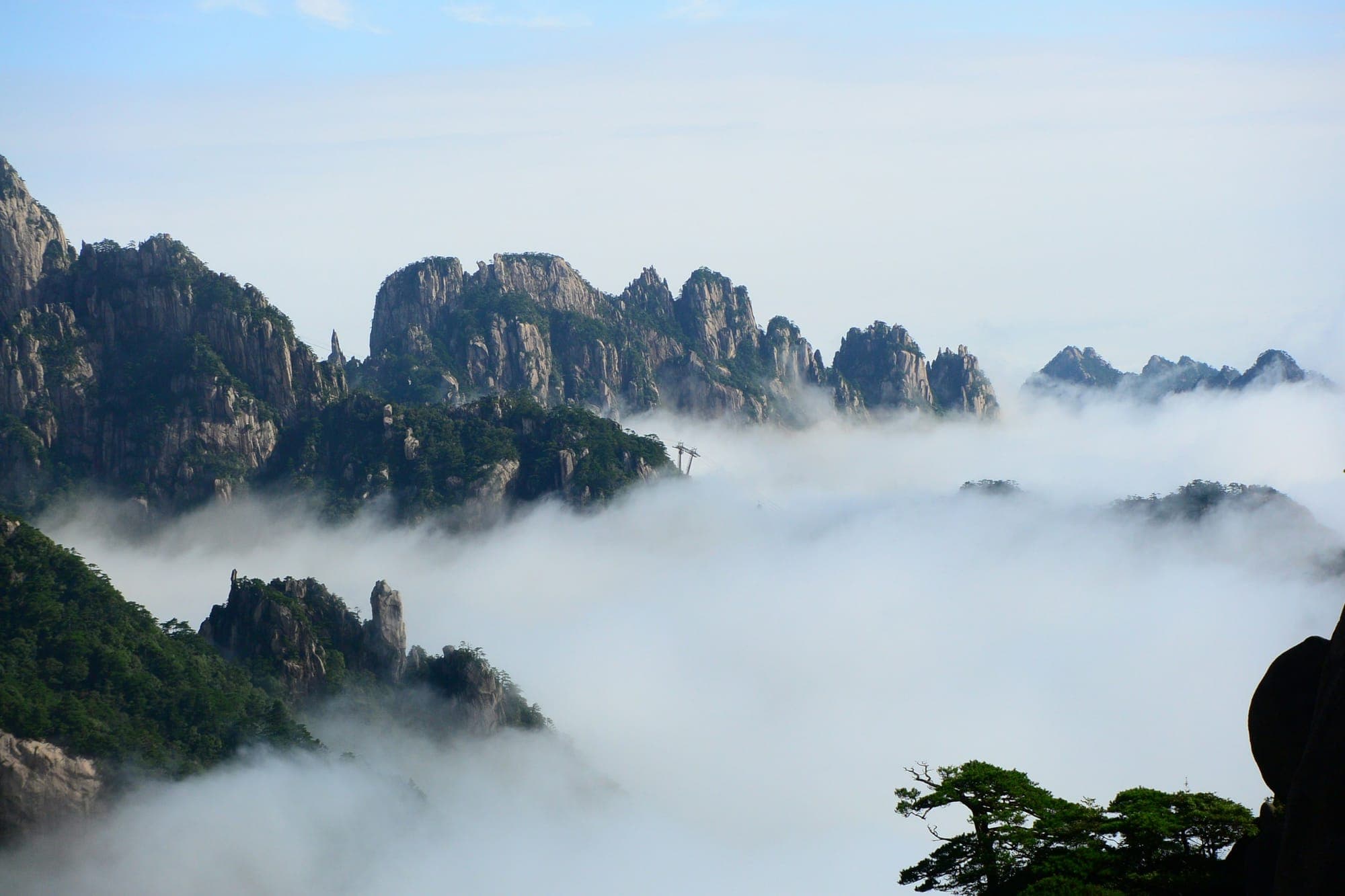
| Huangshan (Yellow Mountain) | Anhui Province | UNESCO mixed cultural and natural site, inscribed 1990. Lianhua Peak reaches 1,864 m. UNESCO Global Geoparks lists three main hiking trails: Yungu to Beihai, Wenquan to Ciguangge, and Houtouyan to Diaoqiaoan. | Huangshan: how to visit |
| Mount Taishan | Tai'an and Jinan, Shandong Province | UNESCO, inscribed 1987. The main peak rises 1,545 m above the surrounding plateau. A flight of 6,660 steps leads past gates, archways and pavilions. A cable car exists, but most visitors reach the summit area by climbing. | Mount Taishan |
| Mount Emei | Sichuan Province | UNESCO, inscribed 1996 with the Leshan Giant Buddha Scenic Area. More than 30 temples. Vegetation spans an elevation range of 2,600 m. A cable car leads to the Golden Summit. | Mount Emei |
| Wulingyuan / Zhangjiajie | Hunan Province | UNESCO, inscribed 1992. More than 3,000 narrow quartz sandstone pillars and peaks, many over 200 m high. Scenic areas include Zhangjiajie, Tianzishan, Suoxiyu and Yangjiajie. | Zhangjiajie |
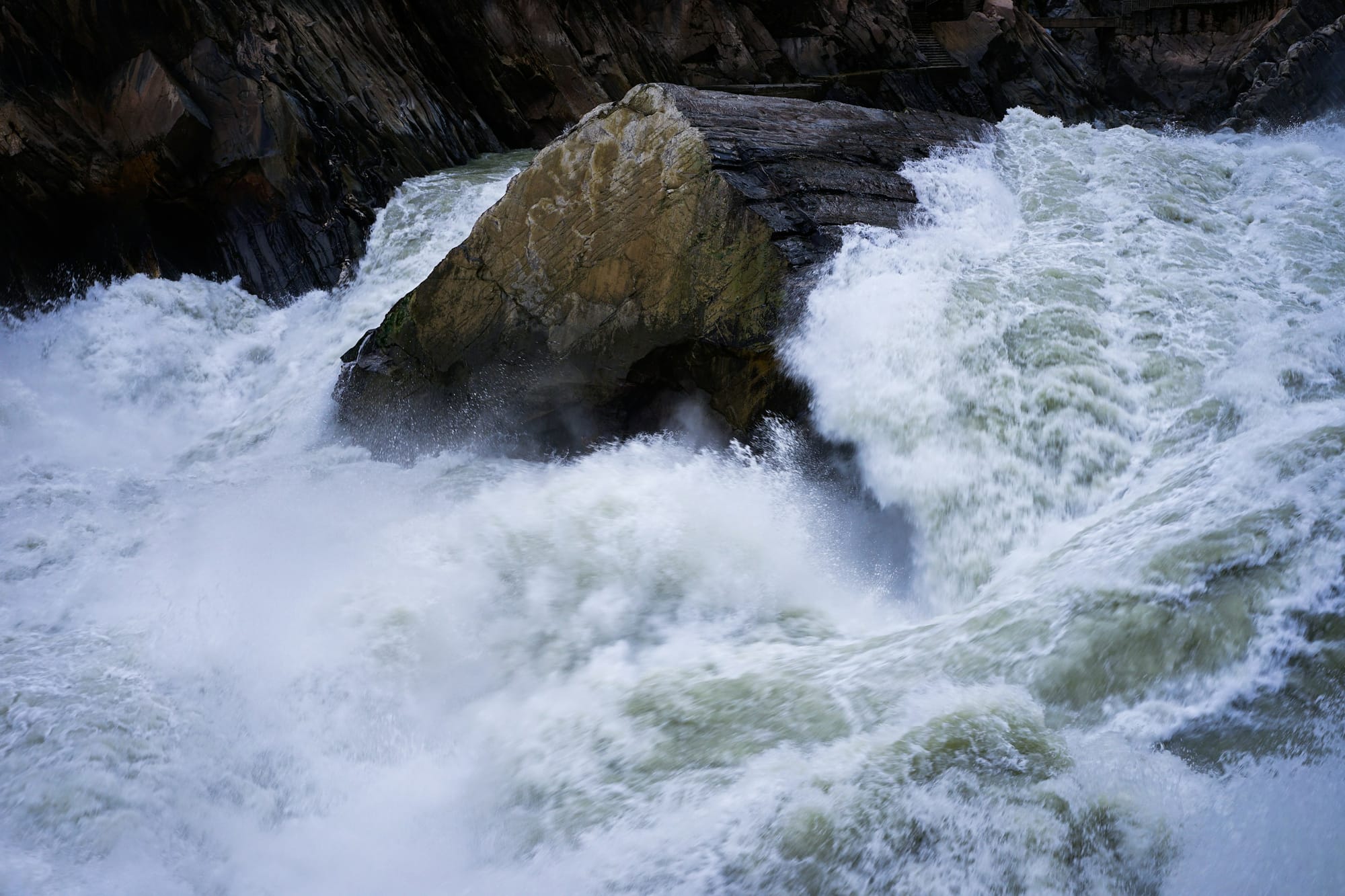
| Tiger Leaping Gorge | Yunnan Province, reached from Lijiang | LocalKey advice: a longer trail than the others here; trail details are on the gorge page. | Tiger Leaping Gorge |
For the Huangshan ridge itself, see our Huangshan ridge hike page.
What rules apply on China's hiking trails?
Three official rules come up on these trails: Huangshan's reservation system, Beijing's Great Wall regulations, and the passport requirement for foreigners.
Huangshan booking. The Huangshan Scenic Area Management Committee's notice dated 4 March 2026 says the scenic area limits visitor numbers and requires real-name, time-slot and direction-specific reservations ("book first, then travel"). Book the gate ticket on the official Huangshan Tourism platform at least one day ahead, or at least three days ahead around statutory public holidays. The ID details on the booking must match the visitor.
Beijing's wild Great Wall rule. Beijing's Regulations on the Conservation of the Great Wall took effect on 1 March 2026. They target illegal climbing of unrestored or non-open sections, known as the "wild Great Wall", and allow electronic fences and other technology to warn and deter unauthorised climbing. We suggest sticking to sections that are officially open, such as the restored sections described on the Great Wall page above.
Jiankou warning. China Daily, citing Huairou District authorities on 9 January 2025, describes Jiankou as one of the most dangerous sections of the Great Wall, and reports hiker casualties over the years. It has been under protective restoration since 2016 and not open to the public. Authorities announced a first tourist route between defence towers 141 and 145. This article does not confirm whether that route is open now, so check with official sources before you plan.
Passport. Article 38 of China's Exit and Entry Administration Law says foreigners aged 16 and over must carry their passport (or stay or residence permit) and accept police inspection. We suggest keeping your passport with you on every hike.
Which Chinese hike suits your fitness and time?
The official sources above describe features, not difficulty, so the matching below is LocalKey advice.
- Short on time: we suggest one restored Great Wall section from Beijing as a half-day plan.
- Long steps: we suggest Mount Taishan for travellers who are comfortable on long flights of steps. The cable car exists, but UNESCO notes that most visitors climb.
- Full day on trails: we usually plan a full day for Huangshan, and we suggest booking the ticket early.
- Temples and views: we suggest Mount Emei if you want temples plus a cable car to the Golden Summit.
- Sandstone scenery: we suggest Zhangjiajie for a few days in Hunan, combined with other stops.
- Longer trail: we suggest Tiger Leaping Gorge for trekkers who want a longer trail and are fit for sustained effort.
Is it safe to hike in China on your own?
The Government of Canada advises that if you intend to go trekking in China, you should never do so alone and should always hire an experienced guide from a reputable company. Its advice also says to buy travel insurance that includes helicopter rescue and medical evacuation.
Canada's trekking advice also says to:
- make sure your physical condition is good enough;
- be properly equipped and informed about weather and other hazards;
- tell a family member or friend your itinerary, including when you expect to be back;
- know the symptoms of high-altitude illnesses, which can be fatal;
- get detailed information on trekking routes before setting out, and do not venture off marked trails or slopes.
Canada also notes that Tibet, Qinghai, western Sichuan and parts of Xinjiang are at altitudes exceeding 3,000 metres.
LocalKey view: if Canada's advice for guided trekking fits your route, we suggest adding a local guide for the trek (an optional add-on on Independent) or choosing Private Guided; both formats are described below.
How do you plan a hiking trip in China?
Huangshan requires reservations at least one day ahead, so book scenic-area tickets before you travel. Canada also advises getting detailed route information before you set out.
- Season: choose dates with the season for your route in mind; our month-by-month guide helps, and your consultant can check current conditions.
- Tickets: for Huangshan, book on the official platform at least one day ahead, or at least three days ahead around statutory public holidays, with ID details that match the visitor; we suggest booking other scenic areas early too.
- Altitude: we suggest a rest day before any high-altitude section, and a slower pace on your first full day.
- Combine with cities: we usually pair one hike with a city stop, such as Beijing for the Great Wall or Lijiang for Tiger Leaping Gorge.
- Passport: Article 38 requires foreigners aged 16 and over to carry their passport (or stay or residence permit), so we suggest keeping it with you on every hike.
Plan your trip with LocalKey
LocalKey can arrange your own China trip, planned, booked and backed. It is not a group tour.
- Independent: you travel on your own with the LocalKey app and 24/7 backup. There is no full-time guide on any day. A local guide, airport pickup or a private car and driver are optional add-ons on demand.
- Private Guided: an English-speaking private guide and a private car throughout the trip.
Compare both options on our private China tours page, or talk to a 1:1 specialist, available 7×24 on WeChat or WhatsApp.
Sources
- Beijing Municipal Government — Great Wall protection regulations, 4 March 2026 — verified_on 2026-10-09
- China Daily — Jiankou Great Wall tourist route announced, 9 January 2025 — verified_on 2026-10-09
- UNESCO World Heritage Centre — The Great Wall — verified_on 2026-10-09
- UNESCO World Heritage Centre — Mount Huangshan — verified_on 2026-10-09
- UNESCO Global Geoparks — Huangshan — verified_on 2026-10-09
- Huangshan Scenic Area Management Committee — reservation notice, 4 March 2026 — verified_on 2026-10-09
- UNESCO World Heritage Centre — Mount Taishan — verified_on 2026-10-09
- UNESCO World Heritage Centre — Mount Emei Scenic Area, including Leshan Giant Buddha Scenic Area — verified_on 2026-10-09
- UNESCO World Heritage Centre — Wulingyuan Scenic and Historic Interest Area — verified_on 2026-10-09
- Government of Canada — China travel advice (trekking, high altitude), 31 August 2026 — verified_on 2026-10-09
- National Immigration Administration — Exit and Entry Administration Law — verified_on 2026-10-09