Updated 2 October 2026 · LocalKey consultant team
Macau works best as a 1–2 day Historic Centre stop, with Portuguese-influenced streets, temples and food before or after mainland China or Hong Kong SAR, reached by ferry or the Hong Kong-Zhuhai-Macao Bridge. It is a compact addition to a wider China itinerary rather than a destination that needs a long stay.
How many days do you need in Macau on a China trip?
One full day covers the core Historic Centre of Macao, while 1–2 nights allow a more measured visit with time for food, temples and neighbourhood walking. A day trip from Hong Kong SAR is possible by ferry or bridge if immigration procedures and transport timing fit your wider itinerary.
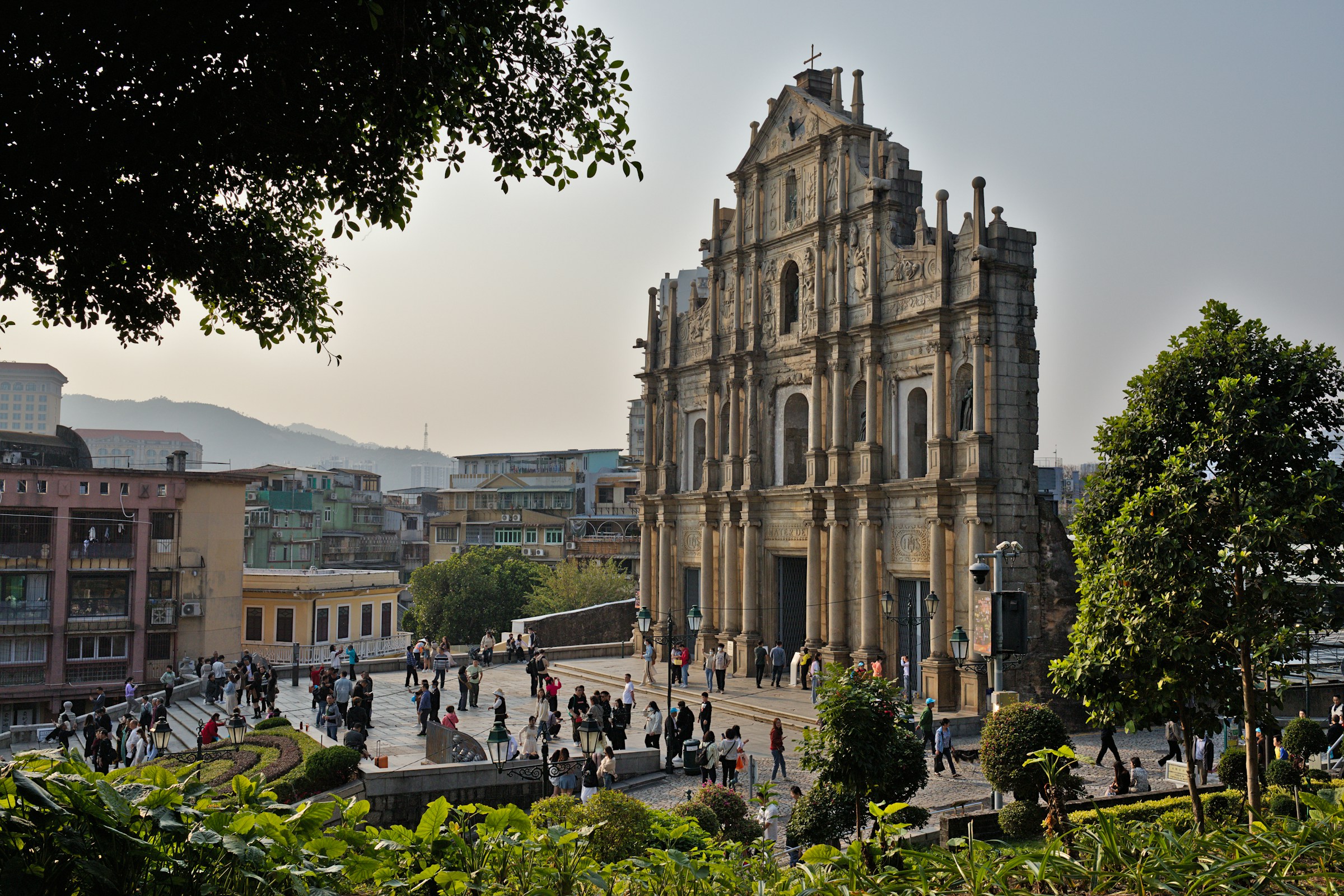
Macau is useful in a China-trip plan because its historic streets, religious sites and food traditions add a distinct layer between larger mainland cities. The Historic Centre of Macao was inscribed on the UNESCO World Heritage List in 2005. Its compact layout makes it practical to explore on foot, especially around Senado Square, the Ruins of St. Paul's and the older streets leading toward A-Ma Temple.
For most travellers, one full day is enough for the central sequence of heritage sites, a local lunch and a slower walk through the surrounding lanes. Plan two nights when you want to arrive without rushing, include a longer food-focused evening, or use Macau as a comfortable transition between Hong Kong SAR and mainland China.
If Hong Kong SAR is also on the route, pair this page with the Hong Kong travel guide for a China trip.
The best timing depends on your wider route. Summers are generally humid, and typhoon-season conditions can affect ferry, bridge and walking plans. Cooler months are often preferred for outdoor sightseeing, but conditions vary. Check the Macao Meteorological and Geophysical Bureau on the day of travel, particularly when a storm system is developing.
For entry planning, Macau SAR is a separate immigration jurisdiction within China. Check the official Macau SAR entry requirements for your passport and link the details with the wider Hong Kong, Macau and China visa and re-entry guide. That guide covers nationality-specific examples and should be checked before finalising a multi-jurisdiction itinerary.
What should you see in the Historic Centre of Macao in one day?
A practical one-day walk runs from Senado Square to St. Dominic's, the Ruins of St. Paul's, the Mount Fortress area and A-Ma Temple, with official site hours used to decide where to spend longer indoors. Senado Square and the Ruins of St. Paul's façade are accessible around the clock, while museums, churches and A-Ma Temple have set opening times.
The route works well in this order:
-
Senado Square: Begin at the historic civic centre and use the surrounding streets to get oriented. The square is open 24 hours, making it a flexible starting point for an early or late walk.
-
St. Dominic's Church: Continue through the pedestrian streets to St. Dominic's. The church is listed with visiting hours of 10:00–18:00. Allow time to look at the interior before continuing uphill.
-
The Ruins of St. Paul's: The stone facade is the best-known surviving element of the former church complex. The facade is accessible 24 hours, so it can be visited even when the nearby indoor spaces are closed. The steps and square are busiest around the middle of the day, so an earlier visit usually gives you more room to pause.
-
Mount Fortress area: Continue toward the Mount Fortress area for an orientation over the central streets and a sense of how the old city is arranged. Treat this as a route and viewpoint stop rather than adding an unverified opening-time promise to your plan.
-
A-Ma Temple: Finish toward the harbour side at A-Ma Temple, one of the city's major traditional places of worship. Official visiting hours are 08:00–18:00, so allow enough time to reach it before closing.
The official heritage timetable lists the current opening information. The Sacred Art Museum and Crypt are open 09:00–18:00, with last entry at 17:30, and close on Tuesdays after 14:00. Confirm the timetable shortly before visiting because heritage-site access can change.
The route is more enjoyable when treated as a sequence of small streets rather than a race between landmarks. Wear shoes suitable for steps and uneven paving, carry water in warm weather, and leave space for short stops at temples, bakeries and shopfronts. Macau's historic identity is best understood through the overlap of civic buildings, Catholic sites, Chinese temples and long-established food traditions.
Food is a central reason to add an overnight. Look for Macanese and Portuguese-influenced street food, baked pastries, savoury snacks and egg tarts. For a deeper UNESCO and Macanese-cuisine day, see Macau Historic Centre and Macanese Food 2026. LocalKey can arrange a food-focused route or guide around your interests without requiring a fixed restaurant list in advance. For everyday payments and currency planning, see the HKD, MOP and RMB money guide.
For background before you go, browse LocalKey's Macau destination guide and culture experiences.
Where should you stay in Macau by neighbourhood?
Senado and the Historic Centre suit travellers who want walkable access to heritage sites and food streets, Outer Harbour suits travellers prioritising ferry access, and Taipa offers a quieter base near some ferry arrivals and onward transport. Choose by route and service rather than by expecting every area to provide the same walking experience.
Senado and the Historic Centre are the most convenient choices for a short cultural stay. You can step out into older streets, reach Senado Square early, and return easily after a day of walking. This area is best when your priority is heritage access, local food and a compact evening route.
Outer Harbour is practical when you are arriving or departing by ferry. It can reduce transfer complexity on a short itinerary, especially if your travel day begins at the terminal. Confirm whether your sailing uses Outer Harbour or Taipa before choosing a hotel, as ferry arrival points can vary by service and schedule.
Taipa is a useful option for a quieter base and for travellers whose ferry or onward transfer connects there. It can work well when you prefer more space around the accommodation and do not mind arranging transport into the Historic Centre.
When comparing hotels, check luggage handling, reception hours, breakfast timing, vehicle access, and the estimated transfer time to your first appointment. A property that is technically close to a landmark may still involve steps, narrow lanes or a longer vehicle approach. LocalKey can match your hotel to your arrival terminal, walking preferences and next destination.
Macau is especially straightforward when the hotel is chosen as part of the full route. For example, a Historic Centre base can suit a one-day heritage plan, while a terminal-oriented stay may be better before an early ferry or bridge transfer. If you are continuing to Zhuhai or Guangzhou, review Macau to Zhuhai and Guangzhou 2026 before confirming the final neighbourhood.
How do you get to Macau from Hong Kong SAR, and on to mainland China?
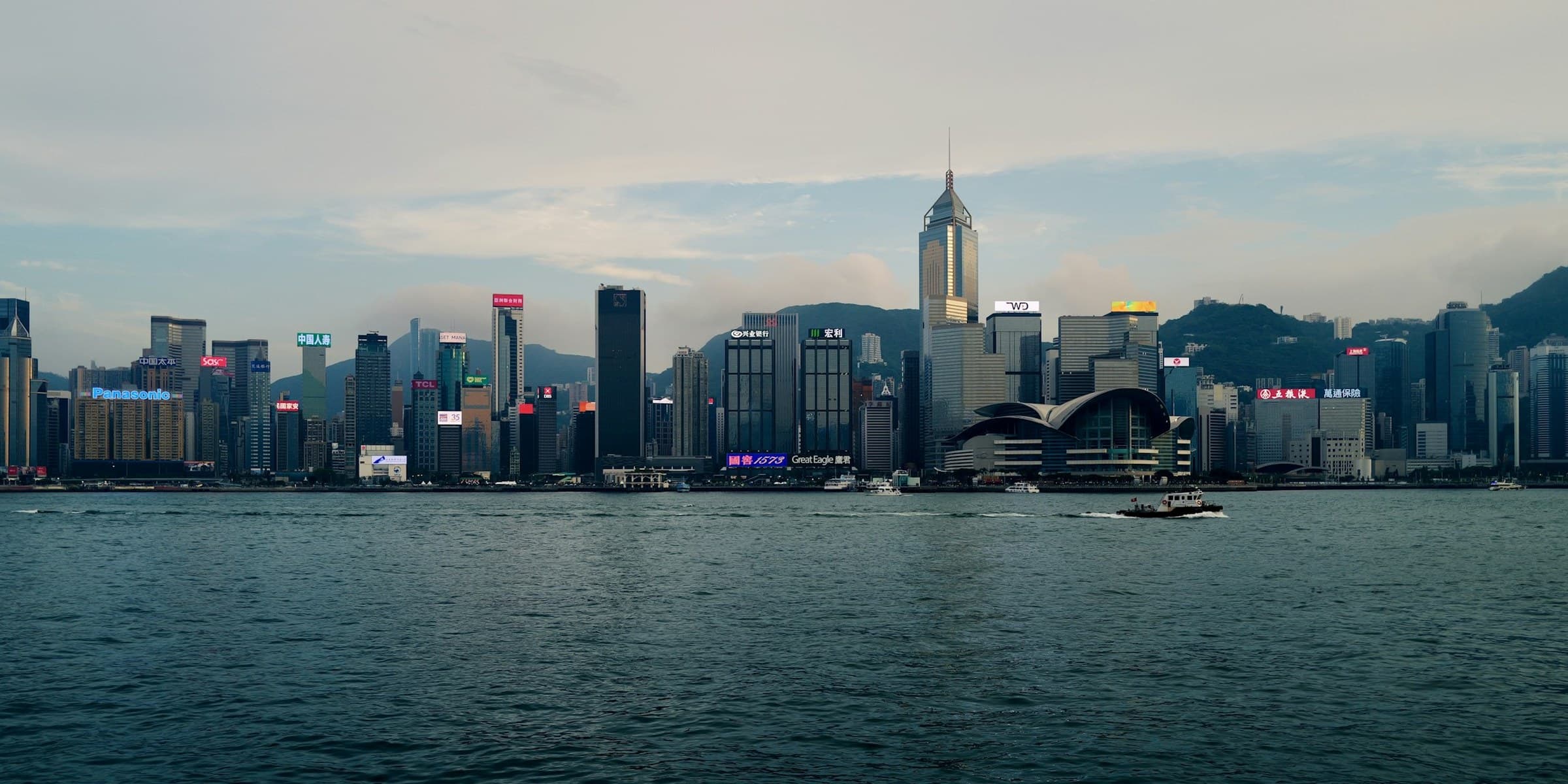
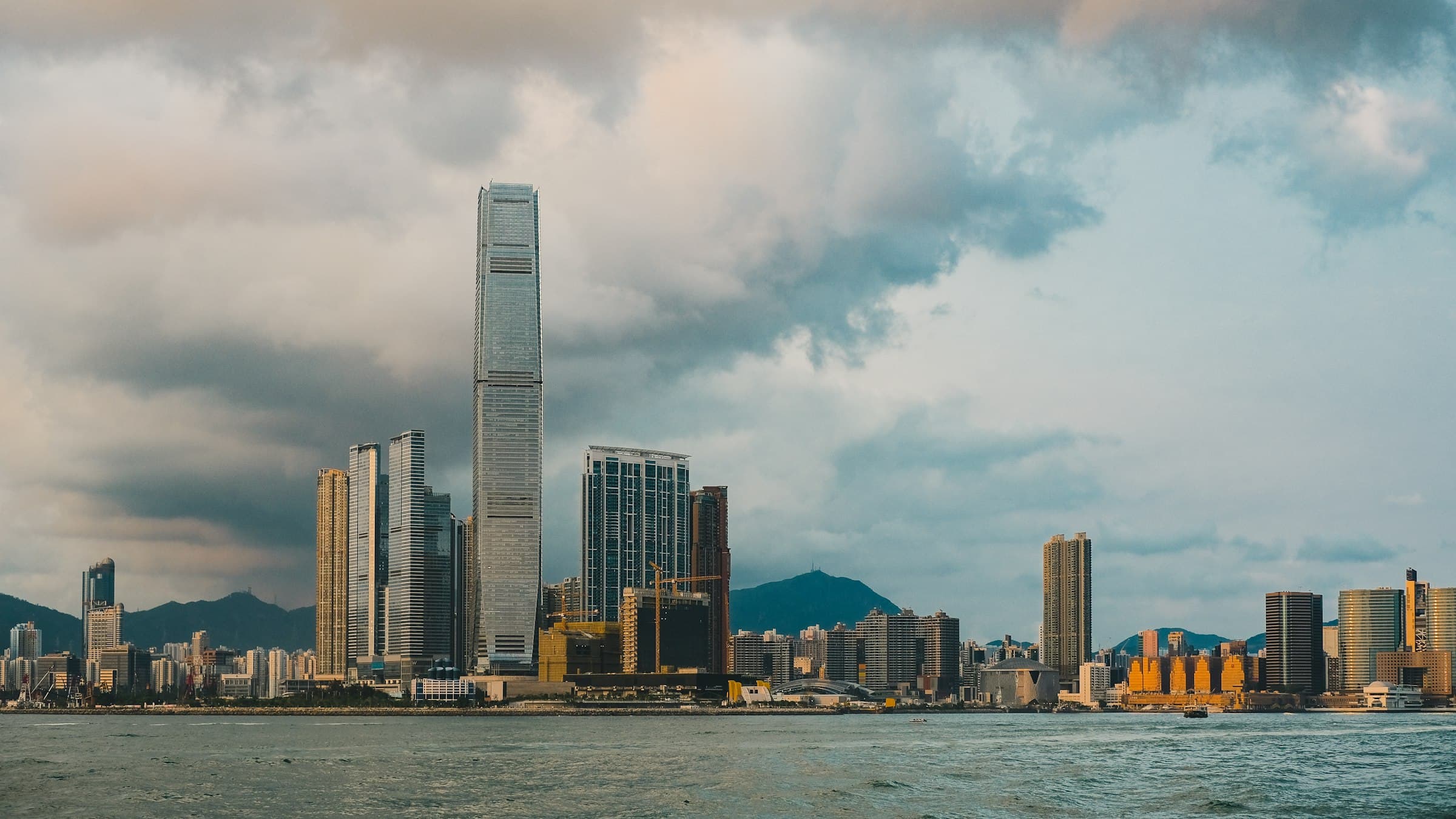
From Hong Kong SAR, Macau is commonly reached by a ferry of about 60 minutes from Sheung Wan or by the 24-hour Hong Kong-Zhuhai-Macao Bridge shuttle; onward routes can continue to Zhuhai and Guangzhou after immigration procedures. Check the arrival terminal, service schedule and border requirements on the day rather than relying on an old timetable.
The ferry is often the simplest fit for a central Hong Kong itinerary. TurboJET lists the Hong Kong–Macau route from the Sheung Wan terminal at approximately 60 minutes. Confirm whether the service arrives at Outer Harbour or Taipa, then allow time for terminal access, immigration and the transfer to your hotel.
The bridge is useful when your route connects Hong Kong SAR with Macau SAR or mainland cities in the Greater Bay Area, the cluster of Hong Kong SAR, Macau SAR, Guangzhou, Shenzhen, Zhuhai and Foshan. The Hong Kong-Zhuhai-Macao Bridge has a 24-hour shuttle route between Hong Kong and Macau. Check the HZMB shuttle operator and the official immigration information before departure.
Do not treat the bridge as a single uninterrupted city-to-city ride: immigration is part of the journey, and the landing points are outside the Historic Centre. Build in transfer time on both sides, especially if you have a timed train, flight or private appointment later that day.
For a Macau-to-mainland handoff, Zhuhai is the immediate mainland connection and Guangzhou is a practical next stop for a wider south China route. See the Greater Bay Area Transport Guide 2026 for route planning, and use the Hong Kong-to-mainland China crossings guide when your itinerary begins in Hong Kong SAR and continues directly into the mainland.
Digital access and payments also deserve a place in the preparation checklist. Review the Hong Kong, Macau and China eSIM and SIM guide and the Octopus, Alipay and WeChat Pay guide before crossing between jurisdictions.
How do Independent and Private Guided trips include Macau nights?
Independent and Private Guided trips can both include Macau nights, with LocalKey arranging hotels, guides and transfers directly around your wider China route. Independent keeps the itinerary flexible with a local guide available as an optional add-on, while Private Guided adds a dedicated English-speaking guide and coordinated support.
Independent
Independent suits travellers who want to explore the Historic Centre at their own pace while keeping the practical parts organised. LocalKey can arrange the Macau hotel, arrival transfer, onward transfer and timed services, with a local guide available as an optional add-on for the heritage walk or food route.
This works well for one night when your priority is a clear arrival plan and a self-paced day through Senado Square, St. Dominic's, the Ruins of St. Paul's, the Mount Fortress area and A-Ma Temple. It also suits two nights when you want more time for neighbourhood walking and food without filling every hour with appointments.
Explore Independent China trips or the wider Private China Tours page.
Private Guided
Private Guided is designed for travellers who want the Macau segment integrated with the rest of the journey. LocalKey arranges Macau hotels, guides and transfers directly, coordinating the ferry or bridge handoff, the Historic Centre route and the transition to Zhuhai, Guangzhou, Hong Kong SAR or another destination.
A guide can add context to the city's Portuguese-influenced streets, temples, religious buildings and food traditions while adjusting the pace for weather, mobility, photography or family needs. The service can also protect time for the rest of your China itinerary when transport connections are tight.
Explore Private Guided China trips.
Build this trip with LocalKey
Tell us whether Macau is before or after Hong Kong SAR, whether you are continuing through Zhuhai and Guangzhou, and whether you prefer one full day or two nights. We will shape the route around your arrival terminal, walking pace, food interests and onward connection.
The result is your own China trip — planned, booked and backed. Macau nights, hotels, guides and transfers are arrangeable in the itinerary design, with a 1:1 specialist and 7×24 WeChat/WhatsApp support.
Sources
- UNESCO: Historic Centre of Macao — verified_on: 2026-10-02
- Macao World Heritage official timetable — verified_on: 2026-10-02
- Macao Government Tourism Office: World Heritage — verified_on: 2026-10-02
- TurboJET Hong Kong–Macau route — verified_on: 2026-10-02
- Hong Kong-Zhuhai-Macao Bridge official information — verified_on: 2026-10-02
- HZMB shuttle operator — verified_on: 2026-10-02
- HZMB immigration information — verified_on: 2026-10-02
- Macao Meteorological and Geophysical Bureau — verified_on: 2026-10-02
- Macau SAR entry requirements — verified_on: 2026-10-02