Updated 1 October 2026 · LocalKey consultant team
Hong Kong works best as a 2–3 night start or end to a China trip: take the Airport Express into the city, see Victoria Peak, the harbour and Kowloon, then continue to mainland China through a separate immigration process.
Hong Kong is often the easiest first or final chapter of a wider China itinerary. It gives you a dense urban introduction, a clear arrival route and a practical bridge to destinations such as Shenzhen, Guangzhou, Beijing or Shanghai. The city also has its own entry rules, transport systems and rhythm, so it should be planned as a distinct part of the trip rather than treated as an ordinary mainland stop.
For orientation, Hong Kong SAR is a separate immigration jurisdiction within China. Check the rules for your nationality before travel using the Hong Kong Immigration Department’s visit and transit guidance. As of 1 October 2026, that table lists visa-free visit periods of 180 days for British citizens and 90 days for U.S. passport holders (except U.S.A. diplomatic passports); always confirm your own nationality on the ImmD page. If your itinerary includes Macau SAR, check its separate entry requirements as well.
How many days do you need in Hong Kong before or after mainland China?
Two or three nights is the usual fit for a China-trip stop in Hong Kong; one night works only when the itinerary is tight, while four or more nights suit travellers adding Macau SAR or deeper neighbourhood exploration.
For most travellers, two nights gives you one arrival or departure day and one full sightseeing day. Three nights creates a more comfortable pace, allowing time for Victoria Peak, harbour views, Kowloon food streets, a temple stop and either Lantau or a neighbourhood-focused day.
A one-night stop can still work if Hong Kong is being used mainly as a gateway. In that case, stay near your arrival or departure route, choose one harbour-facing experience and avoid planning both a long island outing and a mainland handoff on the same day.
Four or more nights are useful if you want to include Macau SAR as an optional extra day, spend longer in Sham Shui Po, visit museums or galleries, or build in flexibility for weather. For Macau as a 1–2 day add-on, see the Macau travel guide for a China trip; this article keeps the focus on Hong Kong as part of a China trip.
Season matters, but there is no single best month for every traveller. October to December are commonly recommended for milder, drier conditions, while summer is generally humid. Typhoon-season caution is sensible, especially when planning ferry, cable-car or outdoor activities. Check current conditions and operating notices close to travel.
Hong Kong also works well at the beginning of a trip if you want an easy landing in a major Asian city. It works equally well at the end, when you want a short urban finish before flying home. The right position depends on flight availability, your mainland route and whether you prefer to handle the separate immigration handoff early or late in the itinerary.
For general destination orientation, see LocalKey’s Hong Kong destination guide.
Where should you stay: Central, Tsim Sha Tsui or West Kowloon?
Central suits travellers prioritising the Peak Tram, business-district access and Hong Kong Island; Tsim Sha Tsui suits harbour views, the Star Ferry and Kowloon sightseeing; West Kowloon suits high-speed rail connections and a modern arts-and-culture base.
Central
Central is the most convenient base for a first visit focused on Victoria Peak, the Peak Tram, Man Mo Temple and Hong Kong Island’s historic streets. It is also practical for travellers who want restaurants, galleries and a compact route between major sights.
The Peak Tram’s Central Terminus is about a 10–15 minute walk from Central MTR Exit J2, according to the Peak Tram transportation guidance. This makes Central especially useful when the Peak is a priority rather than a distant half-day excursion.
Tsim Sha Tsui
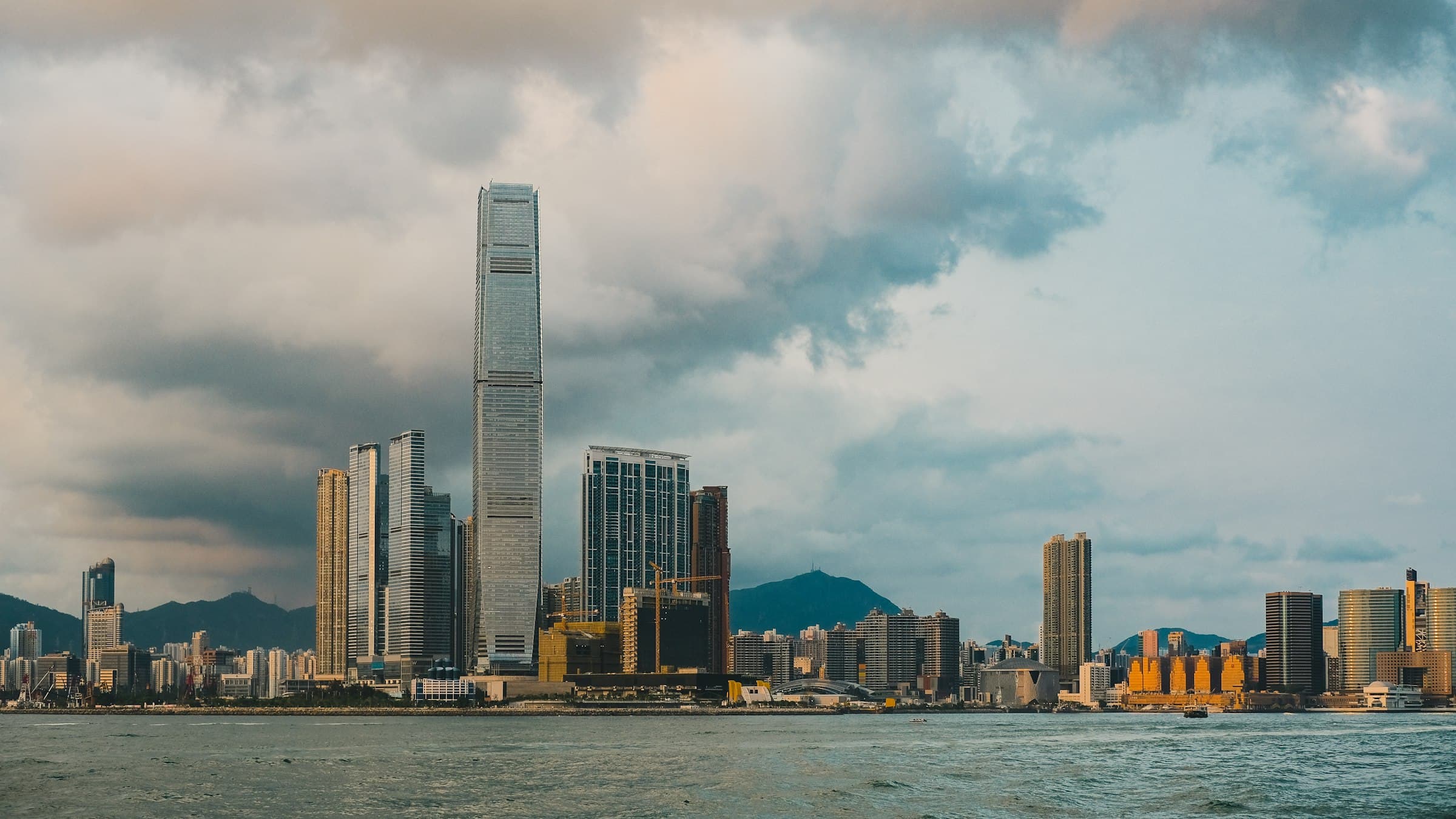
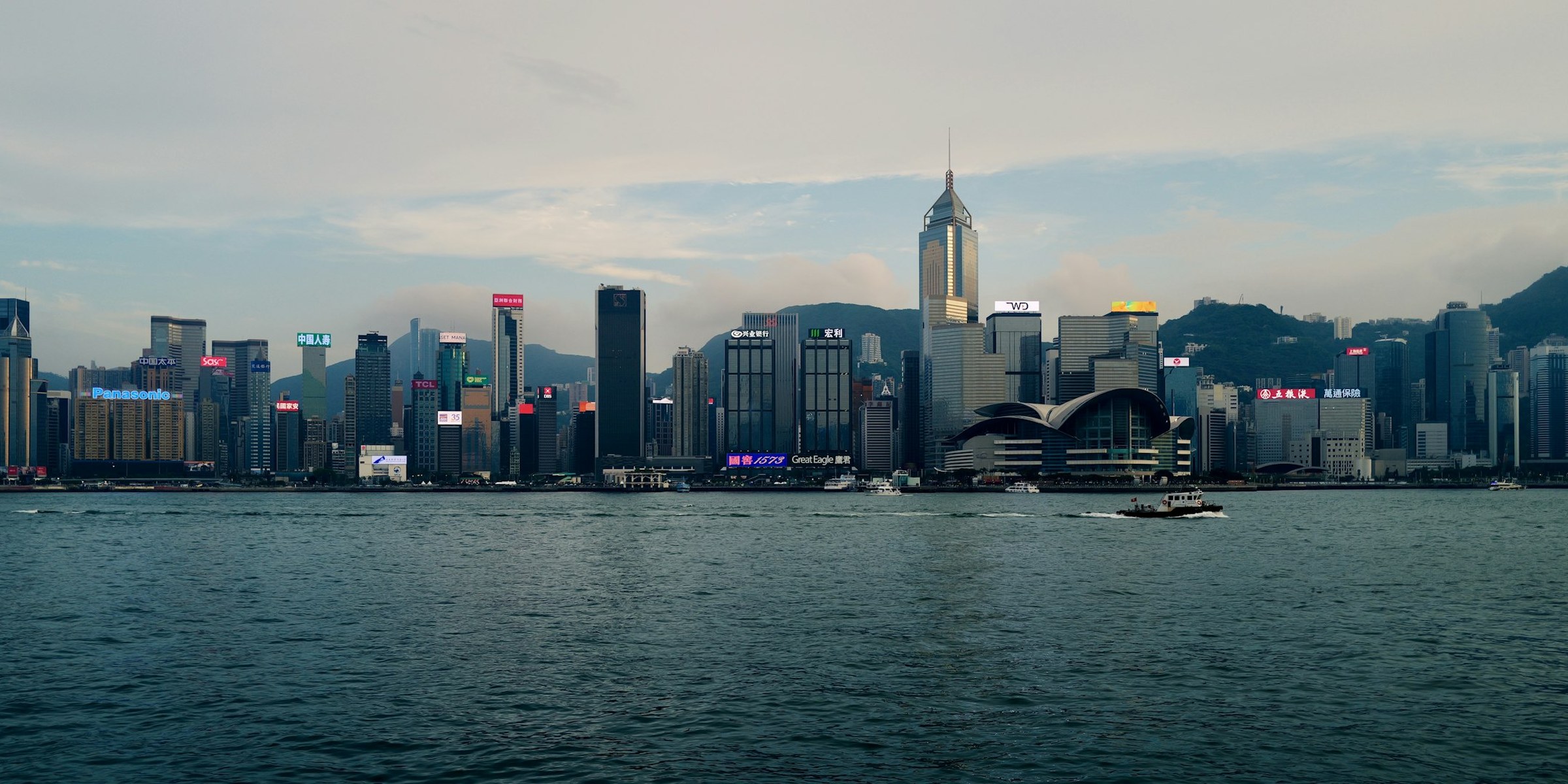
Tsim Sha Tsui is the strongest choice for travellers who want to wake up near Victoria Harbour. It provides straightforward access to the Star Ferry, waterfront promenades, Kowloon Park, museums and the wider Kowloon street grid.
The Star Ferry operates the Central–Tsim Sha Tsui and Wan Chai–Tsim Sha Tsui routes, with current service information published by the Star Ferry. A harbour crossing can be a practical transport leg as well as a simple way to frame the skyline.
West Kowloon
West Kowloon is a good fit when the mainland handoff is central to the itinerary. It places you near the high-speed rail station and the West Kowloon Cultural District, while remaining close to Tsim Sha Tsui and the harbour.
Choose West Kowloon when you want a polished base for museums, waterfront walks and an early onward departure. If your priority is the Peak Tram or evening views from Hong Kong Island, Central may reduce daily crossing time.
The best choice is therefore based on the shape of your itinerary, not a universal ranking. For a short stay, select the area that puts your most important experience and your next transport leg within the same general corridor.
What fits in a 2–3 day Hong Kong stop on a China trip?
A 2–3 day stop can combine Victoria Peak, a harbour crossing, Kowloon neighbourhoods, a temple such as Man Mo and either Sham Shui Po or a Lantau day using Ngong Ping 360.
A practical two-night outline
On arrival, take the Airport Express into the city, settle in and keep the first afternoon light. Depending on your arrival time, walk through Central, visit Man Mo Temple as part of a neighbourhood route, or cross to Tsim Sha Tsui for an evening harbour view.
On the full day, go up Victoria Peak using the Peak Tram. The Peak Tram operates between the Central and Peak Termini from 7:30 am to 11 pm daily and rises to 396 metres. At the top, Sky Terrace 428 reaches 428 metres and currently publishes opening hours of 8:30 am to 10 pm daily; check the official Sky Terrace 428 information before setting out.
Return through Central or cross to Kowloon by Star Ferry. In Tsim Sha Tsui, allow time for the waterfront, skyline views and a relaxed meal. The harbour is most effective when treated as part of the city’s geography rather than as a single scheduled attraction.
A practical three-night outline
With three nights, use the second full day for either Sham Shui Po or Lantau.
Sham Shui Po gives you a more local urban texture, with older commercial streets, markets, small food businesses and changing neighbourhood blocks. It is a useful counterpoint to the polished harbour districts and can be paired with a flexible afternoon elsewhere in Kowloon.
Lantau requires more time but offers a different landscape. Ngong Ping 360 provides cable-car access and orientation for the Big Buddha, Po Lin and Tai O area. Check operating conditions before travel, particularly during periods of strong wind or typhoon-related disruption. A Lantau day is best planned with realistic transfer time rather than combined with a same-day mainland crossing.
For travellers interested in food, design, history and daily life, LocalKey can add a tailored route through culture experiences. For a Bruce Lee and Ip Man culture day that pairs the Avenue of Stars with a Foshan Ancestral Temple visit, see Bruce Lee and Ip Man: Hong Kong to Foshan. For Wong Kar-wai film locations around Chungking Mansions and the Central–Mid-Levels Escalator, see Chungking Express Hong Kong Locations. For Kowloon Walled City Park, neon-sign culture and the cyberpunk Hong Kong story, see Cyberpunk Hong Kong: Neon, Density and the Kowloon Walled City Story. A guided day can also connect Central, the Peak and Kowloon without forcing you to manage every transfer yourself.
Do not try to fit every district into a short stop. The strongest 2–3 day plan usually has one high viewpoint, one harbour crossing, one neighbourhood route and one flexible block for food, weather or rest.
How do you get from Hong Kong International Airport into the city, and on to mainland China?
The Airport Express connects Hong Kong International Airport with the city in as little as 24 minutes, while the onward mainland journey requires a separate immigration handoff through an appropriate crossing or high-speed rail route.
The MTR Airport Express is the default arrival option for many travellers. Check the Hong Kong International Airport transport overview for current arrival information, station connections and alternative transport arrangements.
Once in the city, your hotel area determines the easiest next step. Central and Tsim Sha Tsui are convenient for sightseeing; West Kowloon is particularly practical when the onward route uses high-speed rail. The correct crossing depends on your destination, departure time, passport requirements and luggage plan.
Hong Kong and mainland China use separate immigration procedures. Build enough time for departure formalities in Hong Kong, the crossing itself and arrival procedures on the mainland. Do not assume that a short geographic distance means a frictionless transfer.
For the practical options, use Hong Kong to Mainland China Crossings 2026. It covers the handoff without requiring this guide to repeat station-by-station details.
If your next destination is Shenzhen, Hong Kong can be a particularly logical opening or closing point for the Greater Bay Area, the cluster of Hong Kong SAR, Macau SAR, Guangzhou, Shenzhen, Zhuhai and Foshan. Continue planning with the Greater Bay Area transport guide, or consider LocalKey’s Shenzhen destination guide if Shenzhen is part of your route.
Practical preparation also matters. Review the visa and re-entry guide, Octopus and mobile payment guide, eSIM and SIM guide and money guide before departure.
How do Independent and Private Guided trips include Hong Kong nights?
LocalKey can arrange Hong Kong hotels, guides and transfers directly within either Independent or Private Guided travel, including Hong Kong nights and a guided day when requested.
Independent is designed for travellers who want a structured China itinerary with flexibility during the stay. A local guide is an optional add-on only. LocalKey can still arrange the Hong Kong hotel, airport transfer, mainland handoff and selected experiences so the logistics are clear while your daily schedule remains your own.
Private Guided adds a private guide and driver arrangements where appropriate, with the itinerary shaped around your interests, pace and onward route. In Hong Kong, this may mean a guided Peak and Central route, a food and neighbourhood day, or support around the transition to mainland China.
Both tiers can place Hong Kong at the start or end of a longer route. For a worked example of flying into Hong Kong and finishing in Beijing, see the Hong Kong to Beijing 14-day China itinerary. A 2–3 night Hong Kong opening can also lead into Shenzhen and Guangzhou before continuing north. A final Hong Kong stay can follow a mainland itinerary and provide time for the harbour, Peak and Kowloon before departure.
See the full Private China Tours overview for the two approaches. A LocalKey specialist can help decide whether Hong Kong should be a short gateway, a full city chapter or a flexible buffer around international flights.
The result is your own China trip — planned, booked and backed. Hong Kong nights and a guided day are arrangeable and included in the itinerary design, with a 1:1 specialist and 7×24 WeChat/WhatsApp support.
Sources
- Hong Kong Tourism Board — general destination orientation; verified 1 October 2026.
- MTR Airport Express — airport-to-city journey information; verified 1 October 2026.
- Hong Kong International Airport transport — airport transport overview; verified 1 October 2026.
- Hong Kong Immigration Department — Hong Kong SAR visit and transit rules; verified 1 October 2026.
- Peak Tram — operating hours and elevation; verified 1 October 2026.
- Sky Terrace 428 — height and published opening hours; verified 1 October 2026.
- Peak transportation guidance — Central MTR Exit J2 walking guidance; verified 1 October 2026.
- Star Ferry — routes and published service information; verified 1 October 2026.
- Ngong Ping 360 — Lantau, Big Buddha, Po Lin and Tai O orientation; verified 1 October 2026.