Updated 2 October 2026 · LocalKey consultant team
Travellers can follow the Ip Man to Bruce Lee story through real places in Hong Kong SAR and Foshan: the Avenue of Stars statue and Hong Kong Heritage Museum exhibition in Hong Kong SAR, plus the Ip Man memorial hall inside the Ancestral Temple Museum complex in Foshan. Many travellers visit Foshan as a day trip from Guangzhou while keeping several nights in Hong Kong SAR on a trip through the Greater Bay Area, the cluster of Hong Kong SAR, Macau SAR, Guangzhou, Shenzhen, Zhuhai and Foshan.
Who were Ip Man and Bruce Lee, and how are they linked?
Ip Man was a Wing Chun teacher associated with Foshan who later taught Bruce Lee in Hong Kong; Bruce Lee was born in San Francisco, grew up in Hong Kong, studied Wing Chun under Ip Man, and later developed Jeet Kune Do. Britannica documents Bruce Lee’s biography and the Hong Kong training link. Britannica, Bruce Lee
Bruce Lee was born on 27 November 1940 in San Francisco and grew up in Hong Kong. As a young man, he studied Wing Chun under Ip Man in Hong Kong before developing his own martial arts approach, Jeet Kune Do. He died in Hong Kong on 20 July 1973. These facts are useful because they keep the route grounded in places connected to documented biography rather than treating film imagery as a substitute for history.
Ip Man’s connection to Foshan matters because the city is closely associated with his early life and with the wider development of Southern Chinese martial arts. The Foshan visit is not a claim that every later story told about Ip Man is historical record. It is a way to understand how local institutions present Wing Chun and how Hong Kong became central to Bruce Lee’s life and work.
The two cities therefore offer different perspectives. Hong Kong SAR is the place to follow Bruce Lee’s public memory and the period in which he learned from Ip Man. Foshan is the place to explore the regional setting associated with Ip Man and the Lingnan martial heritage represented at the Ancestral Temple complex.
For broader planning, start with the Hong Kong destination guide and the Hong Kong Travel Guide for a China Trip 2026.
Which real places in Hong Kong SAR can you visit for Bruce Lee?
Hong Kong SAR has two particularly useful Bruce Lee stops: the Avenue of Stars statue on the Tsim Sha Tsui waterfront and the Bruce Lee exhibition at the Hong Kong Heritage Museum in Sha Tin. The statue is an outdoor landmark, while the museum provides a longer-form exhibition visit with free admission through 20 July 2029. Avenue of Stars, Mr Bruce Lee · Hong Kong Heritage Museum, Bruce Lee exhibition
The Avenue of Stars statue is a 2-metre bronze figure of Bruce Lee. It was unveiled on 27 November 2005 and was created by sculptor Cao Chong’En. The waterfront setting makes it an easy stop during a Kowloon walk, especially when combined with the harbourfront promenade and other Tsim Sha Tsui sights.
Treat the statue as a public memorial rather than as a film display. The route does not require reproducing film posters, stills, logos or promotional imagery. A simple visit, a few minutes for photographs and a short walk along the waterfront are enough to place Bruce Lee within Hong Kong’s urban memory.
The Hong Kong Heritage Museum exhibition is in Gallery 6 on the second floor. The exhibition opened on 28 November 2021 and is scheduled to continue until 20 July 2029, with free admission according to the exhibition page. It offers a more structured setting for understanding Bruce Lee’s life, work and ideas.
The museum is at 1 Man Lam Road, Sha Tin. Its published hours are 10am to 6pm Monday and Wednesday to Friday, and 10am to 7pm on Saturdays, Sundays and public holidays. It is closed on Tuesdays except public holidays, as well as the first two days of Chinese New Year. Confirm hours on the day because museum schedules can change. Hong Kong Heritage Museum FAQs
The museum and Avenue of Stars work well together but do not need to be visited on the same day. The Avenue of Stars fits naturally into a Kowloon itinerary. The museum is better paired with Sha Tin, nearby cultural stops or a slower afternoon away from central Hong Kong.
What can you see at Foshan Ancestral Temple and Ip Man Hall?
Foshan Ancestral Temple Museum is the main practical stop for this route, with an Ip Man memorial hall inside the complex. The Ip Man memorial hall opened in 2001. The complex also includes a Wong Fei-hung memorial hall and presents Wing Chun with wider Lingnan martial heritage alongside the Ancestral Temple setting. Foshan Ancestral Temple Museum
The museum is at 21 Ancestral Temple Road in Chancheng, Foshan. Published opening hours are 8:30am to 6pm, with last entry at 5:30pm. Check the official listing before travelling because operating hours and access arrangements can change.
Ip Man Hall is best understood as one part of a broader cultural complex. A visit can connect the Ip Man story with the architecture, local history and martial traditions associated with Foshan, rather than reducing the city to a single teacher or a series of film characters.
Wing Chun is especially relevant here because it is a living practice with training lineages, teaching methods and disciplined body mechanics. Visitors do not need specialist knowledge to appreciate the setting. Notice how the displays frame martial arts as education, physical practice and community memory.
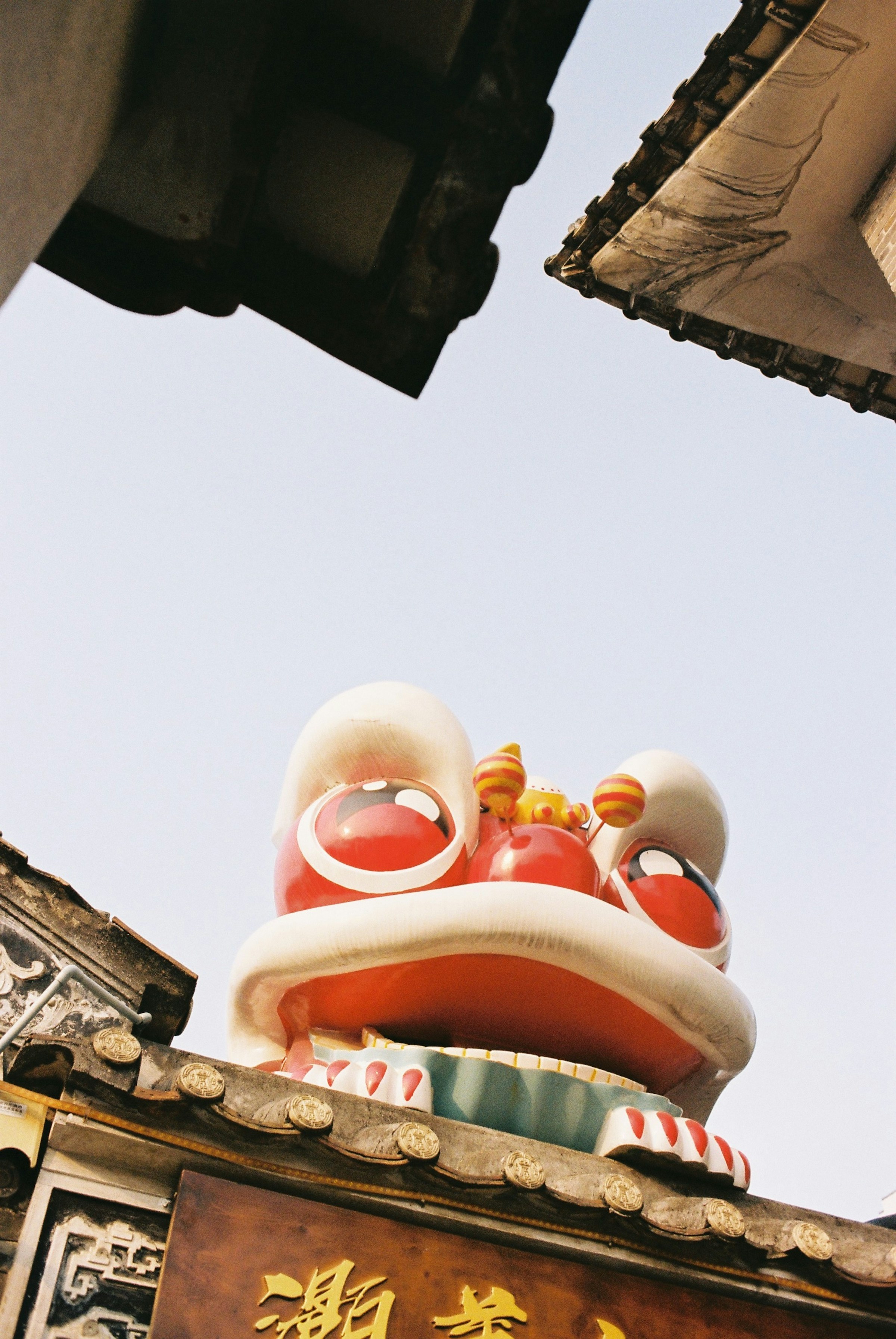
Lion dance is another part of Foshan’s living cultural landscape. It may appear in festival programmes, local performances or public celebrations, but travellers should treat any performance as scheduled community activity rather than assuming one will take place during a particular visit. The Southern lion imagery on the route’s hero image reflects the visual language of the region, not a promise of a performance.
A Foshan city guide is pending, so this article is focused on the Bruce Lee and Ip Man route rather than presenting a complete city itinerary. Allow time for a calm visit to the museum complex, then use the surrounding Chancheng area for a local meal or a short neighbourhood walk.
How do you get from Hong Kong SAR and Guangzhou to Foshan for a day visit?
The simplest structure is to spend several nights in Hong Kong SAR, complete the mainland handoff using the appropriate crossing, and make Foshan a day visit from Guangzhou. Foshan’s Zumiao station is on the Guangfo metro line and is near the Ancestral Temple complex. Zumiao station
Hong Kong SAR is a separate immigration jurisdiction within China, so the handoff into mainland China requires the correct documents and entry planning. Use the Hong Kong to Mainland China Crossings 2026 guide for the crossing process rather than repeating it here. For visa and re-entry questions, see the Hong Kong, Macau and China visa guide.
After Hong Kong, Guangzhou is the most convenient base for a Foshan day in this itinerary. From Guangzhou, the Guangfo metro connects to Zumiao station, which is near Foshan Ancestral Temple. This arrangement keeps the route practical: Hong Kong for the Bruce Lee locations, Guangzhou for accommodation and regional connections, and Foshan for the Ip Man and Lingnan heritage visit.
A day visit should begin early enough to allow for the museum’s opening hours, local navigation and a meal break. The Ancestral Temple complex is the anchor; add extra stops only if they fit comfortably around the museum visit.
For a wider regional plan, consult the Greater Bay Area Transport Guide 2026. Across that Greater Bay Area cluster, the route works best when sequenced around realistic handoffs rather than trying to cover every city.
Metro and rail connections suit a Hong Kong, Guangzhou and Foshan sequence, particularly when border procedures, city-centre arrival points and museum opening times all matter.
How do Independent and Private Guided trips include Hong Kong and Foshan?
LocalKey can arrange Hong Kong SAR nights and a Foshan day from Guangzhou by metro or rail through either Independent or Private Guided. Both can be shaped around your own China trip — planned, booked and backed, with a 1:1 specialist and 7×24 WeChat or WhatsApp support.
Independent is designed for travellers who want a clear route, confirmed logistics and time to explore at their own pace. A local guide is available only as an optional add-on, so you can choose guided support for the museum, a cultural walk or a specific day without changing the whole structure of the trip.
Private Guided includes a private guide and a more closely managed day plan. This can be useful if you want help interpreting the museum displays, connecting the Ip Man story with Foshan’s wider cultural setting, or coordinating Hong Kong, Guangzhou and Foshan across several travel days.
The route can be built around different travel rhythms. One version places the Avenue of Stars early in the Hong Kong stay, the Heritage Museum on a separate day, and Foshan after a move to Guangzhou. Another keeps Hong Kong as the main base for longer and uses a carefully timed regional transfer before returning to the city or continuing elsewhere in China.
Build this trip with LocalKey
For the wider collection of culture-focused planning, visit LocalKey culture experiences. To discuss the route, start with the Private China Tours overview and tell us whether you prefer Independent or Private Guided travel.
Sources
All sources verified on 2 October 2026.
- Britannica, Bruce Lee — biography, birth, Hong Kong upbringing, Wing Chun study, Jeet Kune Do and death in Hong Kong.
- Avenue of Stars, Mr Bruce Lee — statue details, unveiling date and sculptor.
- Hong Kong Heritage Museum, Bruce Lee exhibition — exhibition location, free admission and end date.
- Hong Kong Heritage Museum FAQs — museum address and opening hours.
- Foshan Ancestral Temple Museum — address, hours and 2001 opening of the Ip Man memorial hall (Wong Fei-hung hall also on site).
- Zumiao station — Guangfo metro connection and proximity to the Ancestral Temple.
- Foshan destination page pending at ship time; city is tagged in frontmatter only.