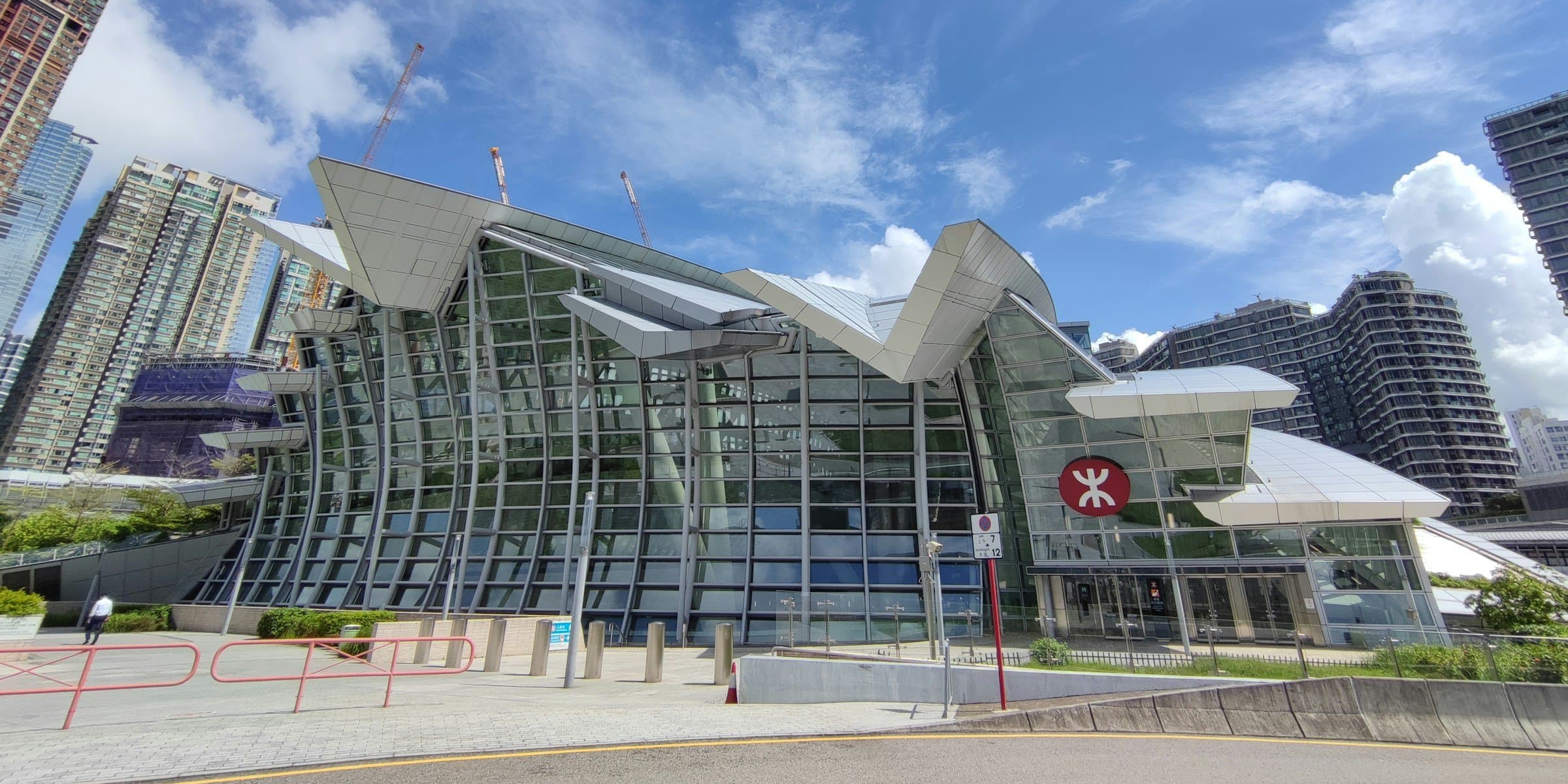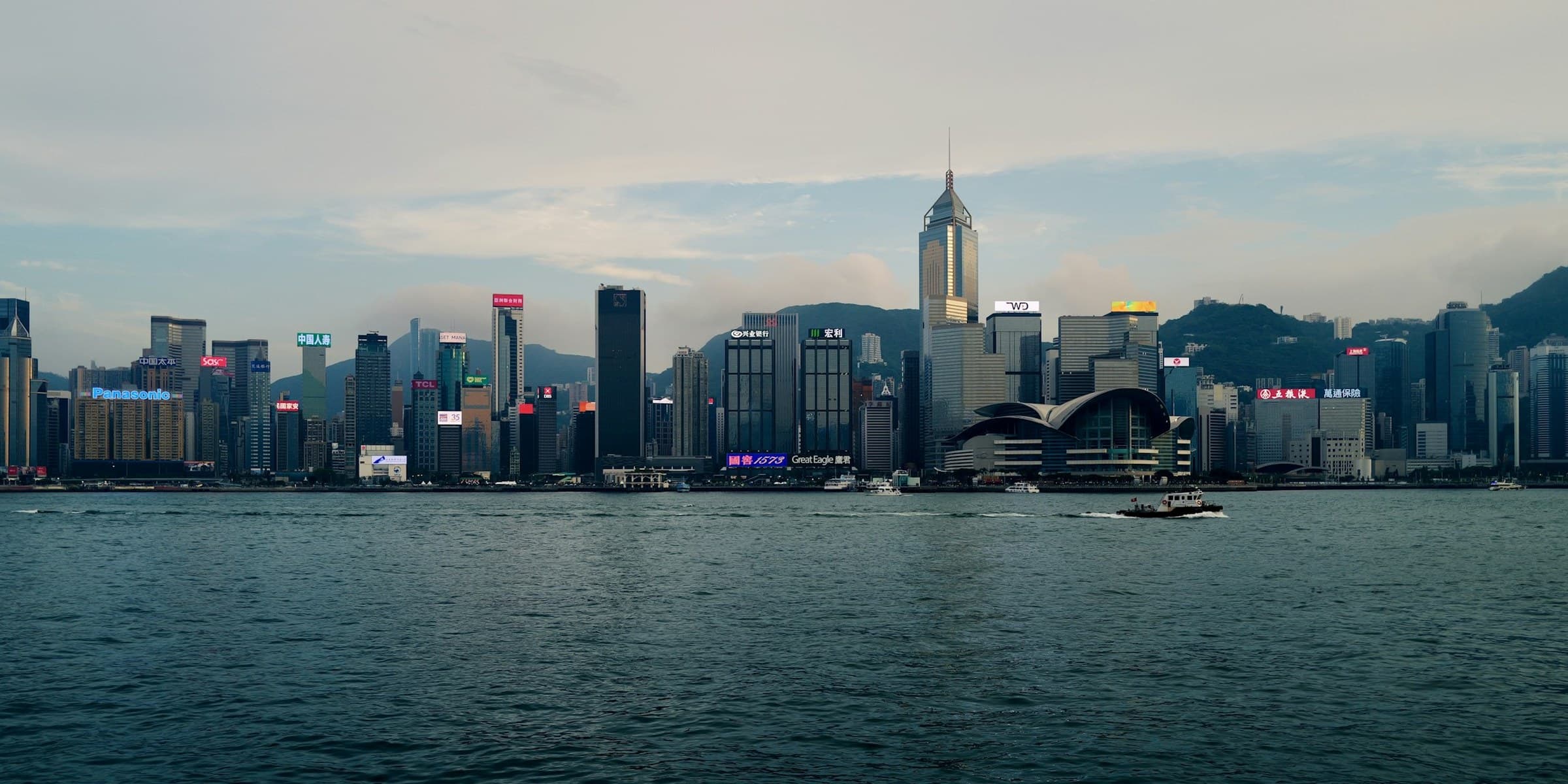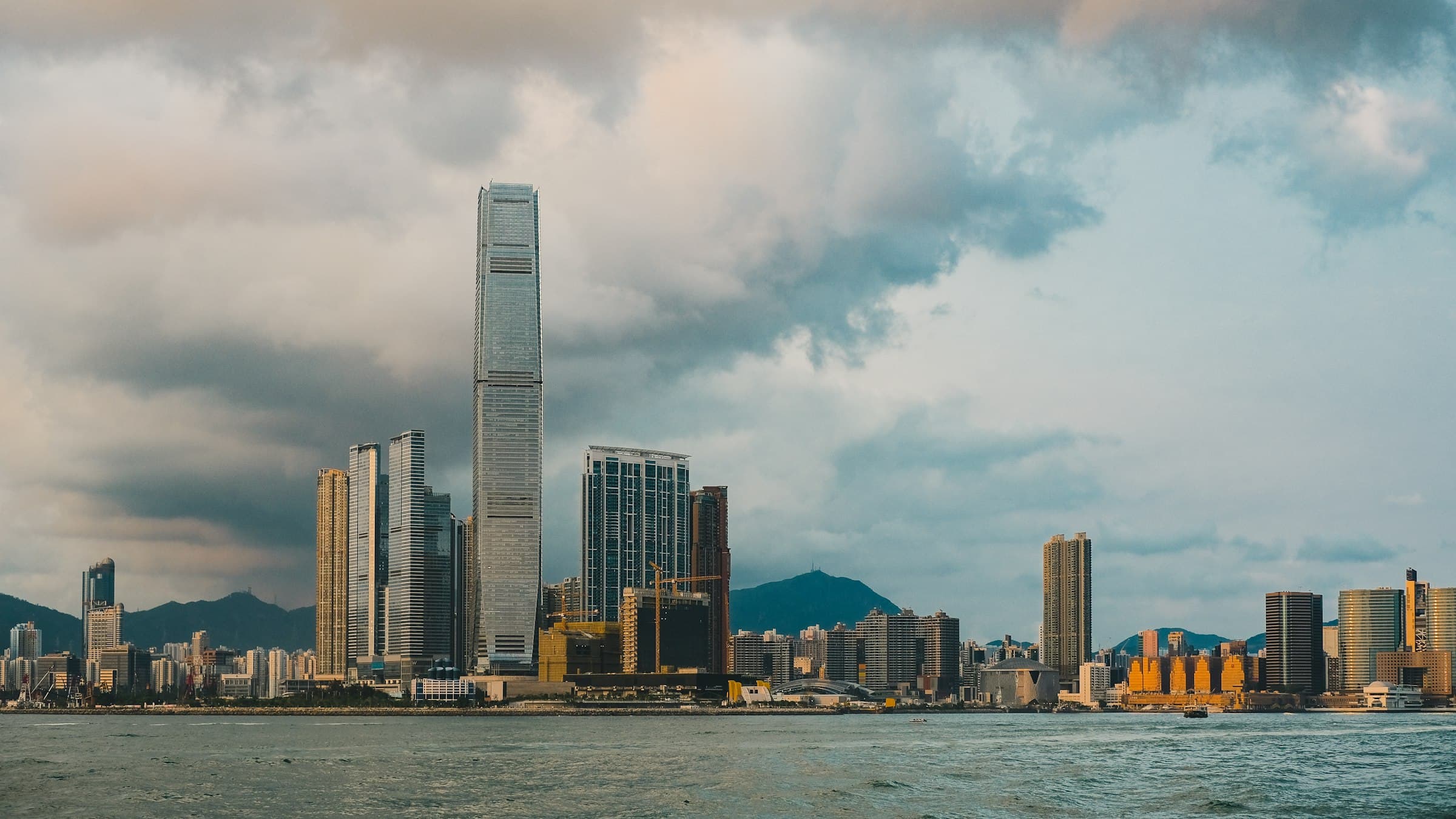
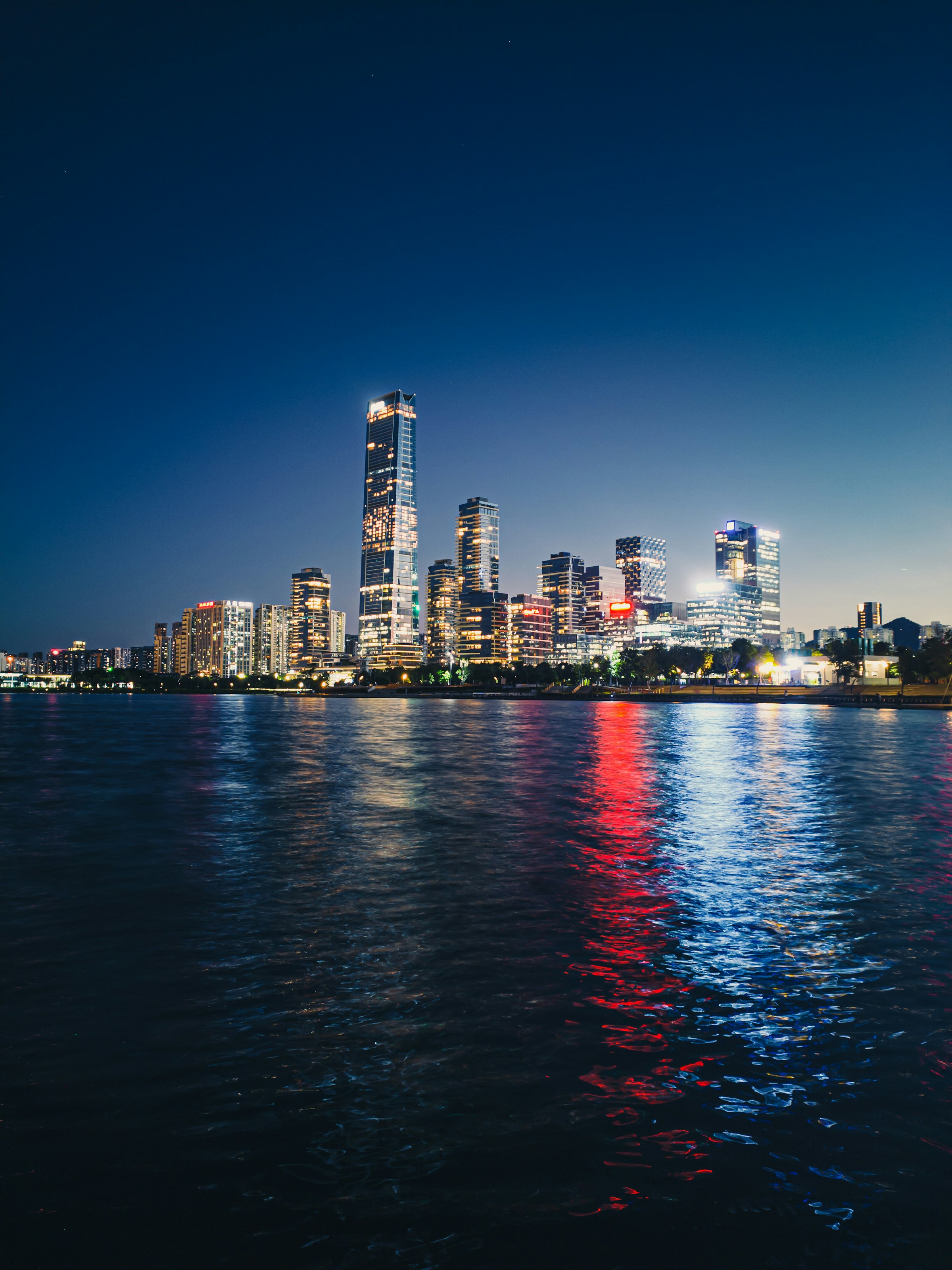
Yes: Shenzhen is worth a 1–3 night stop in 2026 if you want to see modern mainland China next to Hong Kong SAR, with museums on the Special Economic Zone story, creative districts such as OCT-LOFT, and a coastal day at Dapeng. A day trip works only when your mainland entry plan is already sorted and you keep to one district.
Updated 30 September 2026 · LocalKey consultant team
Short answer
As of 30 September 2026, Shenzhen is worth a stop when you want a mainland China city that shows modern China next to Hong Kong SAR: museums that explain the Special Economic Zone story, creative districts, optional theme parks, and a coastal day at Dapeng. It is less suitable when you only have a half-day and your mainland entry plan is unsettled. Most travellers do well with 1–3 nights; a day trip works only when entry is already sorted and you choose one district. See the Hong Kong SAR to mainland China crossings guide for arrival planning, and the 240-hour visa-free China guide if you are flying into Bao'an Airport under the transit rules.
Shenzhen sits within the Greater Bay Area, the cluster of Hong Kong SAR, Macau SAR, Guangzhou, Shenzhen, Zhuhai and Foshan. It works particularly well as a contrast to a Hong Kong stay, and its city shape makes it easy to build a focused stop rather than attempt every district. See the Shenzhen destination guide, Hong Kong destination guide, and Guangzhou destination guide for wider planning.
What is there to see in Shenzhen?
The main visitor stops are Shenzhen Museum near Civic Center for the Special Economic Zone story, the OCT-LOFT creative park in Nanshan, the optional Window of the World theme park, and Dapeng Fortress, a coastal fortress built in 1394. Shenzhen Museum is closed on Mondays, and Dapeng needs a protected full day.
Shenzhen Museum
The Shenzhen Museum history site on Jintian Road, near Civic Center, gives visitors useful context for the city’s rapid development and the Special Economic Zone story. It is a practical first stop if you want more than a skyline view.
Admission is free. The museum is open Tuesday to Sunday from 10:00 to 18:00, with last entry at 17:30, and is closed on Mondays. There has been no prior reservation requirement since 22 July 2024. Visitors using foreign passports can use the green channel. The nearest metro station is Civic Center.
Check the Shenzhen Museum visit service information before travelling, as visitor procedures can change.
OCT-LOFT Creative Cultural Park
OCT-LOFT in Nanshan is a redeveloped industrial estate with galleries, cafes, boutiques and public-facing creative spaces. It suits travellers who prefer a flexible neighbourhood walk, design-led stops and time for coffee rather than a tightly timed attraction list.
The area is accessible from Qiaocheng East and Qiaocheng North metro stations. Opening arrangements vary by venue, so treat OCT-LOFT as a district to explore rather than a single-ticket attraction. The Shenzhen government Nanshan Citywalk guide provides the current official orientation.
Window of the World
Window of the World is an optional Nanshan theme-park stop built around scaled landmarks from different parts of the world. It can work for families or travellers who enjoy designed attractions, but it is not essential to understanding Shenzhen. The nearest metro station is Window of the World.
Consider it when you have an extra block of time, especially if your group prefers an attraction with a clear entrance and route. Otherwise, OCT-LOFT, Civic Center and a waterfront walk usually give a more useful city introduction.
Dapeng Fortress and Dapeng Peninsula
Dapeng Fortress is a Ming-period coastal fortress built in 1394, set within the wider Dapeng Peninsula area. The combination of historic walls, village lanes and coast gives Shenzhen a different rhythm from its central business districts.
Plan this as a protected full day. Travel time matters, and the peninsula should not be squeezed between a morning museum and an evening border transfer. The official Dapeng travel guide is the reference for the area. It does not establish a general attraction ticket price or a single fortress opening schedule, so confirm details on the day if needed.
Nanshan and the modern districts
Nanshan and the central districts help explain Shenzhen’s present-day character: technology companies, large civic spaces, commercial towers and a city planned around rapid growth. Visitors should treat restricted campuses and company premises as external viewpoints, not assumed tour stops.
For many travellers, the best approach is to combine one history-focused visit with one modern district and one meal or walk chosen around the day’s location.
How many days do you need in Shenzhen?
Most travellers do well with 1–3 nights: one night and about two days covers Shenzhen Museum, OCT-LOFT or another Nanshan stop and a waterfront walk, while two to three nights add Dapeng or Window of the World. A day trip from Hong Kong SAR is reasonable only when your mainland entry is already resolved.
Day trip from Hong Kong SAR
A day trip is reasonable only when your mainland entry permission, documents and route are already resolved. Keep the day geographically tight, such as Civic Center and Shenzhen Museum followed by lunch nearby.
Crossing time can consume a substantial part of the day. Use the Hong Kong SAR to mainland China crossings guide rather than planning around an assumed crossing duration. A day trip is not the right choice if you are still deciding whether your passport and visa or transit status permit entry.
One night and about two days
One night gives you enough time for Shenzhen Museum, OCT-LOFT or another Nanshan stop, and a waterfront or central-city walk. This is the most balanced short visit for travellers who want to see how Shenzhen differs from Hong Kong without turning the trip into a city survey.
A useful structure is:
- Arrival and a central or Nanshan neighbourhood walk.
- Museum time, followed by OCT-LOFT or a modern-district visit.
- Departure after a calm morning, or continuation to Guangzhou.
Two to three nights
With two or three nights, add Dapeng as a full-day coastal and history excursion, or create a theme-park block around Window of the World. You can also use Shenzhen as part of a wider Guangzhou–Shenzhen corridor; the Guangzhou–Shenzhen private-tour sample route owns the detailed private-tour example.
When to skip Shenzhen
Skip it when this is your first short Hong Kong trip and your mainland permission has not been sorted. Adding a border and a second city can create more planning pressure than value.
Shenzhen is also a lower priority for travellers whose main interest is only imperial history and historic capitals. In that case, compare the city with Beijing or Xi'an planning guides and keep Shenzhen for a future China trip with more room for contemporary urban culture.
How does Shenzhen fit into a China trip?
Shenzhen fits best at the start or end of an open-jaw route, or as a contrast city next to Hong Kong SAR or Guangzhou. You can arrive through Hong Kong SAR and continue by train, or finish a mainland route in Shenzhen before an international departure from Hong Kong SAR.
Shenzhen works well at the start or end of an open-jaw itinerary. You might arrive through Hong Kong SAR, spend one or two nights in Shenzhen, and continue north or west by train. Alternatively, you can finish a mainland route in Shenzhen before moving onward to Hong Kong SAR for an international departure.
It is especially effective as a contrast city:
- Pair Hong Kong SAR with Shenzhen when you want two neighbouring urban systems with different planning histories and daily rhythms.
- Pair Shenzhen with Guangzhou when you want a Greater Bay Area corridor with food, museums, neighbourhood walks and contemporary city life.
- Use Shenzhen as a transition before Guilin or another regional destination when the wider itinerary already passes through Guangzhou.
For broader route shapes, see the Hong Kong–Guangzhou–Guilin 10-day itinerary and Hong Kong–Beijing 14-day itinerary. The Guangzhou–Shenzhen private-tour sample remains the corridor reference rather than this article repeating its route.
How do you get to Shenzhen and get around?
From Hong Kong SAR, use the land crossings in the crossings guide; for the 240-hour transit policy, Bao'an Airport is a listed Guangdong entry port, while the Luohu, Futian, Huanggang and Shenzhen Bay land crossings are not 240-hour entry ports. In the city, Shenzhen Metro takes overseas contactless Visa, Mastercard, American Express and JCB cards at all gates.
-
From Hong Kong SAR: Use the Hong Kong SAR to mainland China crossings guide for the current route options and document planning. Hong Kong SAR and mainland China operate separate immigration jurisdictions, so allow time for both sides of the journey.
-
240-hour transit rules: Bao'an Airport is a listed Guangdong entry port for the 240-hour transit policy. The 240-hour visa-free China guide explains the conditions and planning logic. Luohu, Futian, Huanggang and Shenzhen Bay land crossings are not 240-hour entry ports.
-
Metro for visitors: Shenzhen Metro supports overseas contactless Visa, Mastercard, American Express and JCB cards, as well as UnionPay, for tap-and-go access at all gates under the network rollout reported on 11 September 2026. Shenzhen Tong QR access is also available through Alipay according to the city’s public transport guidance. For single-journey tickets and customer service, see the Shenzhen Metro ticket types page. The China metro guide for foreigners covers the broader travel routine.
-
Data and payments: Review the eSIM and SIM guide for foreigners before departure. Set up the payment and identity-verification steps you need before your first full travel day.
Sample routes
- Hong Kong SAR to mainland China crossings guide
- Hong Kong SAR, Macau SAR, China visa and 240-hour re-entry guide
- 240-hour visa-free China guide
- Guangzhou–Shenzhen private-tour sample route
- Hong Kong–Guangzhou–Guilin 10-day itinerary
- Hong Kong–Beijing 14-day China itinerary
- Shenzhen destination guide
- Guangzhou destination guide
- Culture experiences
- eSIM and SIM guide for foreigners
Build this trip with LocalKey
If Shenzhen is one piece of a longer route, LocalKey can coordinate the city stop with Hong Kong SAR, Guangzhou and the rest of your China itinerary through our private China tours.
Independent
Our Independent service, described at /private-china-tours#classic, arranges hotels including Shenzhen and Hong Kong nights, trains, an app roadbook and 7×24 backup. Optional add-ons can be arranged on demand, including airport or border pickup, a private car and driver, and a local guide.
Private Guided
Our Private Guided service, described at /private-china-tours#signature, coordinates private guides and driver/car across the trip, including Shenzhen guide days and a border transfer if wanted.
A LocalKey specialist can arrange, book and coordinate the Hong Kong SAR and Shenzhen segments in the same trip, with the pacing adjusted around your entry plan. We design your own China trip — planned, booked and backed.
You work with a 1:1 specialist and receive 7×24 WeChat or WhatsApp support. Families can also compare the dedicated China family tours planning approach.
Sources
- Shenzhen Museum visit service — verified_on: 2026-09-30
- Shenzhen government Nanshan Citywalk guide — verified_on: 2026-09-30
- Shenzhen government Dapeng travel guide — verified_on: 2026-09-30
- Shenzhen Metro ticket types — verified_on: 2026-09-30
- Qianhai and Shenzhen Metro overseas card news — verified_on: 2026-09-30
- Shenzhen government public transport essential guide — verified_on: 2026-09-30
- National Immigration Administration 240-hour transit policy — verified_on: 2026-09-30
- National Immigration Administration five-port release — verified_on: 2026-09-30
- LocalKey Hong Kong SAR to mainland China crossings guide — verified_on: 2026-09-30
- LocalKey 240-hour visa-free China guide — verified_on: 2026-09-30
- LocalKey Guangzhou–Shenzhen private-tour sample — verified_on: 2026-09-30
FAQ
Is Shenzhen worth visiting?
Yes, if you want a mainland China city focused on modern urban development, museums, creative districts and optional coastal or theme-park experiences. It is best with one to three nights, rather than as a rushed half-day stop.
How many days do I need in Shenzhen?
One night and about two days covers Shenzhen Museum, one Nanshan or creative-district visit, and a central or waterfront walk. Two to three nights allow time for Dapeng, Window of the World or a more relaxed Guangzhou–Shenzhen corridor.
Can I visit Shenzhen as a day trip from Hong Kong SAR?
You can, provided your mainland entry plan is already resolved and you stay in one district. Crossing time can take up much of the day, so a day trip is most suitable for a focused Civic Center and Shenzhen Museum visit.
How do foreigners ride the Shenzhen Metro?
Visitors can use supported overseas contactless cards, UnionPay, or Shenzhen Tong QR through Alipay. Single-journey tickets and customer service are available through Shenzhen Metro, and the China metro guide for foreigners explains the wider process.
Should I choose Independent or Private Guided?
Choose Independent if you want arranged hotels, trains, an app roadbook and 7×24 backup with optional transport or guide support. Choose Private Guided if you want private guides and driver/car across the trip, including Shenzhen days and a border transfer if wanted.
Does Shenzhen fit with Guangzhou and Hong Kong SAR?
Yes. Shenzhen can sit between Hong Kong SAR and Guangzhou in a Greater Bay Area corridor, or work as the beginning or end of a longer China itinerary. The right order depends on your entry conditions, onward trains and international departure.